
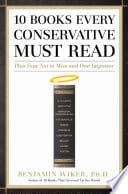
Following up his 10 Books That Screwed Up the World, author Benjamin Wiker brings you 10 Books Every Conservative Must Read: Plus Four Not to Miss and One Impostor. Offering a guide to some of the most important literary works of our time, Wiker turns his discerning eye from the great texts that have done so much damage to Western Civilization to the great texts that could help rebuild it. 10 Books Every Conservative Must Read features a range of works from classics such as Democracy in America and The Federalist and Anti-Federalist Papers, to more "pop" classics like Sense and Sensibility and The Tempest. Through these works, Wiker reveals some of the most important lessons for our time as well as the true meaning of conservatism. Written with an educational purpose and witty tone, this is a must-read for conservatives, Republicans, and booklovers everywhere!
Average Rating
Informations
About the author
Benjamin Wiker
Author
Benjamin Wiker is a Roman Catholic ethicist and professor of political science and Human Life studies at Franciscan University of Steubenville.
10 Books Every Conservative Must Read
by Benjamin Wiker
Books Like 10 Books Every Conservative Must Read
If you're looking for books similar to 10 Books Every Conservative Must Read, here are some recommendations based on themes, tone, and narrative style.
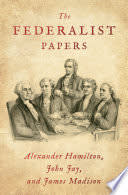
The Federalist Papers
Alexander Hamilton, James Madison, John Jay
A collection of essays arguing for the ratification of the United States Constitution. The authors provide profound arguments about republican government and political philosophy. These papers explain the structure and principles of the proposed constitutional system. They represent a foundational text in understanding American political thought and governance.
Democracy in America
Alexis de Tocqueville
A seminal work analyzing the American democratic system and its unique political culture. Tocqueville explores the strengths and potential challenges of democracy in the United States. The book provides deep insights into American social and political institutions. It offers a critical examination of democratic principles and their practical implementation.
Mere Christianity
C.S. Lewis
A philosophical exploration of Christian belief and moral reasoning. Lewis presents rational arguments for Christian faith using accessible language. The book bridges theological concepts with everyday understanding. It offers a thoughtful defense of Christian principles and moral philosophy.
Witness
Whittaker Chambers
A powerful memoir about communist infiltration and ideological struggle. Chambers details his journey from communist sympathizer to anti-communist activist. The book provides personal insights into Cold War ideological conflicts. It offers a profound exploration of political and moral transformation.
The Road to Serfdom
Friedrich Hayek
A critical analysis of collectivist political systems and their potential for totalitarianism. Hayek argues against centralized economic planning and government control. The book warns about the dangers of socialist and fascist ideologies. It presents a powerful defense of individual liberty and free-market principles.
The Tempest
William Shakespeare
A complex play exploring themes of power, colonization, and personal transformation. Shakespeare examines the moral dimensions of authority and redemption. The narrative provides rich philosophical and political allegories. It offers profound insights into human nature and social dynamics.
The Law
Frédéric Bastiat
A philosophical treatise on the proper role of law in society. Bastiat argues against government overreach and defends individual rights. The book provides a critical analysis of legal and economic systems. It offers a passionate defense of individual liberty and limited government.
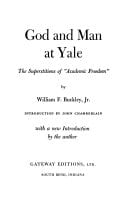
God and Man at Yale
William F. Buckley Jr.
A critique of academic ideology and institutional bias in higher education. Buckley challenges the intellectual orthodoxies of his time. The book provides insights into academic culture and ideological conformity. It represents an early manifesto of modern conservative intellectual thought.
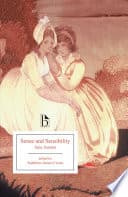
Sense and Sensibility
Jane Austen
A novel exploring the social dynamics and moral choices of two sisters with contrasting personalities. The story examines the tension between emotional impulse and rational judgment. Austen provides a nuanced critique of social conventions and personal character. The narrative offers insights into personal integrity and social expectations.
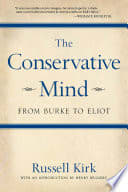
The Conservative Mind
Russell Kirk
A comprehensive examination of conservative intellectual tradition in America and Britain. Kirk traces the philosophical roots of conservative thought through various thinkers and historical periods. The book provides a deep analysis of conservative principles and their historical development. It offers a scholarly perspective on conservative political philosophy.
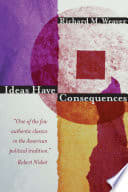
Ideas Have Consequences
Richard Weaver
A philosophical critique of modern cultural and intellectual trends. Weaver examines the philosophical roots of societal decline. The book argues for traditional values and intellectual rigor. It provides a comprehensive critique of modern philosophical and cultural movements.
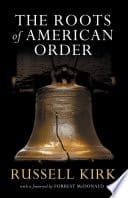
The Roots of American Order
Russell Kirk
A comprehensive exploration of the philosophical and cultural foundations of American society. Kirk traces the intellectual origins of American political and social order. The book provides a deep analysis of Western civilization's influence on American development. It offers a scholarly perspective on American cultural and political heritage.
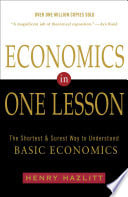
Economics in One Lesson
Henry Hazlitt
A clear and concise explanation of fundamental economic principles. Hazlitt breaks down complex economic concepts into accessible insights. The book critiques government economic interventions and promotes free-market understanding. It provides a foundational text for understanding economic reasoning.
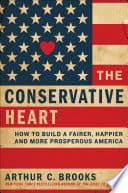
The Conservative Heart
Arthur Brooks
An exploration of conservative principles focused on human flourishing. Brooks argues for a compassionate conservative approach to social issues. The book provides strategies for communicating conservative values effectively. It offers a modern perspective on conservative social philosophy.
No account connected — sign in to comment.