
This 2nd volume of contains the following 50 works, arranged alphabetically by authors' last names: Jerome, Jerome K.: Three Men in a Boat Joyce, James: A Portrait of the Artist as a Young Man Joyce, James: Ulysses Kingsley, Charles: The Water-Babies Kipling, Rudyard: Kim La Fayette, Madame de: The Princess of Clèves Laclos, Pierre Choderlos de: Dangerous Liaisons Lawrence, D. H.: Sons and Lovers Lawrence, D. H.: The Rainbow Le Fanu, Sheridan: In a Glass Darkly Lewis, Matthew Gregory: The Monk Lewis, Sinclair: Main Street London, Jack: The Call of the Wild Lovecraft, H.P.: At the Mountains of Madness Mann, Thomas: Royal Highness Maugham, William Somerset: Of Human Bondage Maupassant, Guy de: Bel-Ami Melville, Herman: Moby-Dick Poe, Edgar Allan: The Fall of the House of Usher Proust, Marcel: Swann's Way Radcliffe, Ann: The Mysteries of Udolpho Richardson, Samuel: Clarissa Sand, George: The Devil's Pool Scott, Walter: Ivanhoe Shelley, Mary: Frankenstein Sienkiewicz, Henryk: Quo Vadis Sinclair, May: Life and Death of Harriett Frean Sinclair, Upton: The Jungle Stendhal: The Red and the Black Stendhal: The Chartreuse of Parma Sterne, Laurence: Tristram Shandy Stevenson, Robert Louis: Treasure Island Stoker, Bram: Dracula Stowe, Harriet Beecher: Uncle Tom's Cabin Swift, Jonathan: Gulliver's Travels Tagore, Rabindranath: The Home and the World Thackeray, William Makepeace: Vanity Fair Tolstoy, Leo: War and Peace Tolstoy, Leo: Anna Karenina Trollope, Anthony: The Way We Live Now Turgenev, Ivan: Fathers and Sons Twain, Mark: The Adventures of Huckleberry Finn Verne, Jules: Journey to the Center of the Earth Wallace, Lew: Ben-Hur Wells, H. G.: The Time Machine West, Rebecca: The Return of the Soldier Wharton, Edith: The Age of Innocence Wilde, Oscar: The Picture of Dorian Gray Xueqin, Cao: The Dream of the Red Chamber Zola, Émile: Germinal
Average Rating
Informations
About the author
Oscar Wilde, Jonathan Swift, Robert Louis Stevenson, Upton Sinclair, Walter Scott, William Somerset Maugham, George Sand, Mary Shelley, Jack London, Rabindranath Tagore, Stendhal, Mark Twain, James Joyce, H. G. Wells, Jules Verne, Leo Tolstoy, Bram Stoker, Edgar Allan Poe, Herman Melville, Marcel Proust, H. P. Lovecraft, Thomas Mann, D. H. Lawrence, Rudyard Kipling, Grant Allen, Lucius Apuleius, Marcus Aurelius, Jane Austen, L. Frank Baum, Dale Carnegie, Margaret Cavendish, G.K. Chesterton, John Cleland, Wilkie Collins, Daniel Defoe, Charles Dickens, Arthur Conan Doyle, Alexandre Dumas, Victor Hugo, Vatsyayana, Ryūnosuke Akutagawa, Horatio Alger Jr, Susan Coolidge, Benjamin Disraeli, Elizabeth Gaskell, George Gissing, Hollis Godfrey, Nikolai Gogol, Maxim Gorky, Henry Rider Haggard, Pieter Harting, O. Henry, Arthur Morrison
Author
100 Books You Must Read Before You Die [volume 2]
by Oscar Wilde, Jonathan Swift, Robert Louis Stevenson, Upton Sinclair, Walter Scott, William Somerset Maugham, George Sand, Mary Shelley, Jack London, Rabindranath Tagore, Stendhal, Mark Twain, James Joyce, H. G. Wells, Jules Verne, Leo Tolstoy, Bram Stoker, Edgar Allan Poe, Herman Melville, Marcel Proust, H. P. Lovecraft, Thomas Mann, D. H. Lawrence, Rudyard Kipling, Grant Allen, Lucius Apuleius, Marcus Aurelius, Jane Austen, L. Frank Baum, Dale Carnegie, Margaret Cavendish, G.K. Chesterton, John Cleland, Wilkie Collins, Daniel Defoe, Charles Dickens, Arthur Conan Doyle, Alexandre Dumas, Victor Hugo, Vatsyayana, Ryūnosuke Akutagawa, Horatio Alger Jr, Susan Coolidge, Benjamin Disraeli, Elizabeth Gaskell, George Gissing, Hollis Godfrey, Nikolai Gogol, Maxim Gorky, Henry Rider Haggard, Pieter Harting, O. Henry, Arthur Morrison
Books Like 100 Books You Must Read Before You Die [volume 2]
If you're looking for books similar to 100 Books You Must Read Before You Die [volume 2], here are some recommendations based on themes, tone, and narrative style.
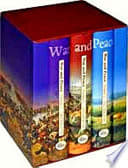
War and Peace
Leo Tolstoy
An epic historical novel set during the Napoleonic era in Russia, weaving together the lives of multiple aristocratic families. Tolstoy masterfully combines historical events with intimate personal narratives, exploring themes of love, war, and human destiny. The novel provides a profound philosophical examination of historical forces and individual agency. Its complex characters and sweeping historical backdrop make it a monumental work of literature.
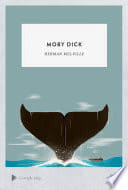
Moby-Dick
Herman Melville
A classic novel of obsession and adventure on the high seas, following Captain Ahab's relentless pursuit of a massive white whale. The book explores themes of human nature, madness, and the struggle against overwhelming forces. It offers a deep philosophical narrative blended with vivid maritime details and complex character studies. Melville's masterpiece is a profound exploration of human determination and the unknown.
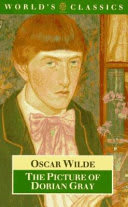
The Picture of Dorian Gray
Oscar Wilde
A provocative novel examining the nature of beauty, morality, and corruption in Victorian society. The story follows Dorian Gray, who sells his soul for eternal youth while his portrait ages and reflects his moral decay. Wilde's witty prose and philosophical undertones create a compelling narrative about vanity and moral consequences. The book challenges societal norms and explores the dark side of human desires.
The Call of the Wild
Jack London
A powerful novel following Buck, a domesticated dog, who is stolen and sold as a sled dog in Alaska's harsh wilderness. London explores themes of survival, adaptation, and the primal nature within civilized beings. The book vividly depicts the brutal realities of the Klondike Gold Rush and the relationship between humans and animals. It's a compelling narrative about instinct, resilience, and the struggle for survival.
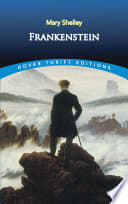
Frankenstein
Mary Shelley
A groundbreaking science fiction novel exploring the ethical boundaries of scientific creation and human responsibility. Dr. Frankenstein creates a sentient being, only to reject his own creation, leading to tragic consequences. The book delves into themes of isolation, ambition, and the moral implications of scientific advancement. Shelley's innovative narrative raises profound questions about humanity, empathy, and the nature of life.
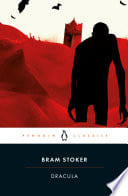
Dracula
Bram Stoker
A gothic horror novel that introduced the iconic vampire Count Dracula to world literature. The story follows a group of characters battling the supernatural threat of the vampire, exploring themes of good versus evil. Stoker's narrative combines horror, romance, and Victorian-era social dynamics. The book has profoundly influenced vampire mythology and gothic literature.
The Red and the Black
Stendhal
A psychological novel exploring social ambition in post-Napoleonic France through the story of Julien Sorel, a young man seeking advancement. Stendhal provides a sharp critique of French society, examining class mobility, romantic intrigue, and personal ambition. The protagonist's complex moral journey reveals the tensions between individual desires and societal expectations. The novel is a masterful study of human psychology and social dynamics.
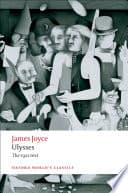
Ulysses
James Joyce
A revolutionary modernist novel following a day in the life of Leopold Bloom in Dublin. Joyce's experimental narrative style breaks traditional literary conventions, using stream of consciousness and complex linguistic techniques. The book reimagines Homer's Odyssey in a contemporary urban setting, exploring human consciousness and everyday experiences. Its intricate structure and linguistic innovation make it a landmark of 20th-century literature.
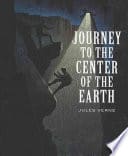
Journey to the Center of the Earth
Jules Verne
An adventurous scientific romance about a geological expedition into the Earth's interior. Professor Lidenbrock and his nephew discover a passage to the planet's core, encountering prehistoric creatures and extraordinary landscapes. Verne combines scientific speculation with thrilling adventure, inspiring generations of scientific exploration narratives. The novel represents the spirit of 19th-century scientific curiosity and imagination.
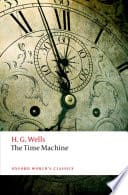
The Time Machine
H.G. Wells
A pioneering science fiction novel about a scientist who invents a machine to travel through time. The protagonist explores a future world divided between the passive Eloi and the underground Morlocks, revealing a stark social commentary. Wells uses speculative fiction to critique contemporary social structures and human evolution. The book introduces groundbreaking concepts of time travel and social dystopia.
No account connected — sign in to comment.