
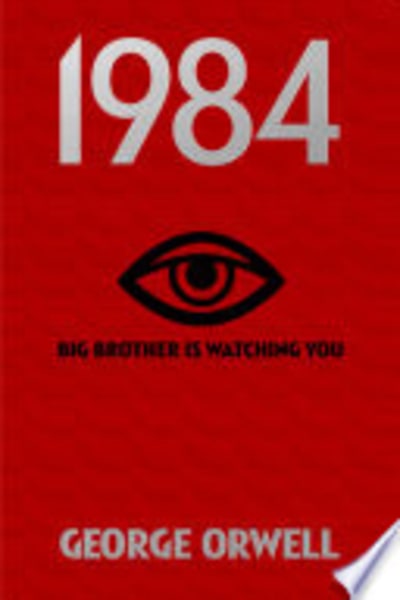
George Orwell's dystopian masterpiece, Nineteen Eighty-Four is perhaps the most pervasively influential book of the twentieth century, making famous Big Brother, newspeak and Room 101. 'Who controls the past controls the future: who controls the present controls the past'
4.7/5
Average Rating
Informations
Published04 janvier 2014
Recommendations10
About the author
George Orwell
Author
Eric Arthur Blair was an English novelist, poet, essayist, journalist, and critic who wrote under the pen name of George Orwell. His work is characterised by lucid prose, social criticism, opposition to all totalitarianism, and support of democratic socialism.
1984
by George Orwell
Books Like 1984
If you're looking for books similar to 1984, here are some recommendations based on themes, tone, and narrative style.
Top 1
92%
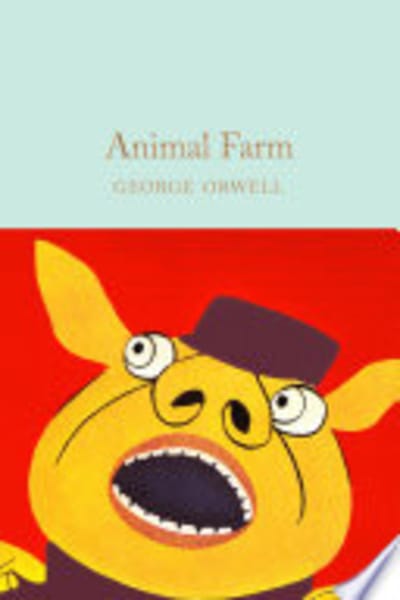
Animal Farm
George Orwell
Another Orwell masterpiece that allegorically critiques totalitarian systems. The story follows farm animals who overthrow their human masters, only to create a new hierarchical system that becomes equally oppressive. Like 1984, it explores how revolutionary ideals can be corrupted by power and manipulation. The narrative reveals the mechanisms of propaganda, political betrayal, and systematic control. It serves as a powerful critique of political systems that promise equality but deliver oppression.
Top 2

90%
Brave New World
Aldous Huxley
A groundbreaking dystopian novel exploring a future society controlled through technological manipulation and psychological conditioning. The story reveals a world where individual freedom is sacrificed for societal stability and conformity. Citizens are engineered and conditioned from birth to fit predetermined social roles. The narrative critiques totalitarian systems and the potential dangers of unchecked technological progress. Like 1984, it offers a chilling vision of human potential for oppression.
Top 3
88%
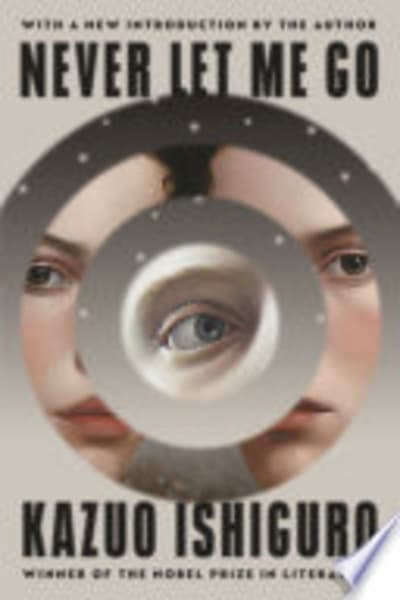
Never Let Me Go
Kazuo Ishiguro
A dystopian novel exploring themes of human identity, scientific ethics, and systemic dehumanization. The story follows individuals raised for a predetermined, tragic purpose in a seemingly normal world. Like 1984, it reveals the subtle mechanisms of societal control and individual suppression. The narrative explores how systems can normalize profound ethical violations. It offers a nuanced, emotionally complex examination of human autonomy and societal structures.
88%
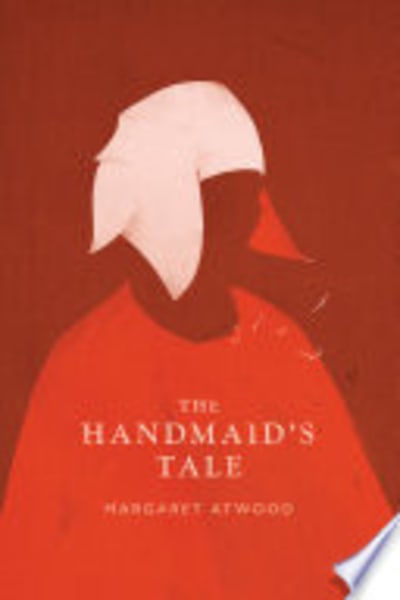
The Handmaid's Tale
Margaret Atwood
A dystopian novel depicting a theocratic society where women are stripped of their rights and reduced to reproductive vessels. The story follows a handmaid forced to bear children for elite couples in a rigidly controlled society. Like 1984, it explores themes of government oppression, loss of personal autonomy, and systematic control. The narrative reveals how totalitarian regimes manipulate language, ideology, and social structures to maintain power. It offers a chilling examination of gender oppression and political extremism.
86%
A Clockwork Orange
Anthony Burgess
A dystopian novel exploring themes of free will, social control, and individual violence. The story follows a young protagonist subjected to a behavioral modification program that removes his ability to choose between good and evil. Like 1984, it examines the power of state intervention in personal autonomy. The narrative critiques systems that seek to control human behavior through technological and psychological means. It presents a provocative exploration of freedom and moral choice.
86%
Fahrenheit 451
Ray Bradbury
A powerful dystopian novel about a society where books are banned and intellectual freedom is systematically destroyed. The protagonist, a fireman tasked with burning books, gradually awakens to the oppressive nature of his world. The narrative explores themes of censorship, government control, and the importance of independent thinking. Like 1984, it presents a bleak vision of a future where individual thought is suppressed. The book serves as a stark warning about the dangers of totalitarian control.
84%
We
Yevgeny Zamyatin
A pioneering dystopian novel that directly influenced Orwell's 1984. Set in a totalitarian society where individuality is eliminated and citizens are known by numbers, the story follows a protagonist who begins to question his society's rigid control. The narrative explores themes of technological surveillance, suppression of individual identity, and the conflict between collective conformity and personal freedom. Like 1984, it presents a world where personal thought is considered a dangerous rebellion. The book is a critical examination of authoritarian systems.
84%
Oryx and Crake
Margaret Atwood
A post-apocalyptic novel exploring themes of scientific manipulation, environmental destruction, and societal collapse. The story follows a protagonist navigating a world transformed by genetic engineering and technological excess. Like 1984, it presents a critical examination of systemic control and human potential for destruction. The narrative reveals how technological ambition can lead to catastrophic consequences. It offers a complex exploration of human nature and societal transformation.
82%
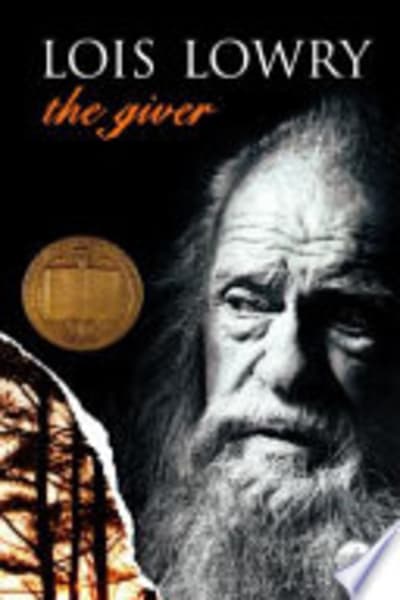
The Giver
Lois Lowry
A dystopian novel set in a seemingly perfect society where pain, conflict, and individual differences have been eliminated. The protagonist discovers the dark truth behind his community's apparent harmony. Like 1984, it explores themes of suppressed individuality, controlled information, and the cost of societal conformity. The narrative reveals how emotional depth and personal choice are sacrificed for perceived stability. It offers a nuanced exploration of freedom versus controlled safety.
80%
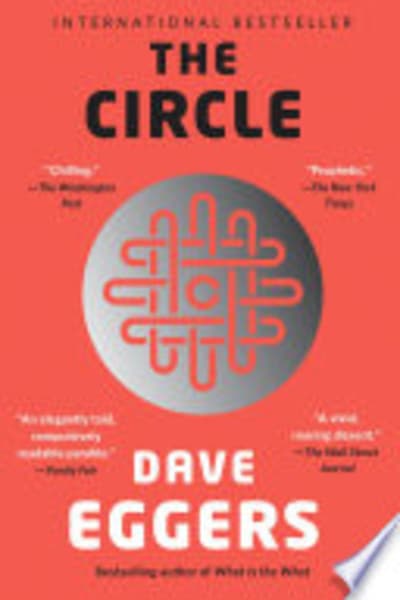
The Circle
Dave Eggers
A contemporary dystopian novel exploring the dangers of technological surveillance and loss of privacy. The story follows a young woman working for a powerful tech company that seeks total transparency and constant connectivity. Like 1984, it reveals how technology can be used as a tool for social control and monitoring. The narrative critiques the erosion of personal privacy in the digital age. It offers a chilling vision of a world where individual freedom is sacrificed for supposed technological progress.
No account connected — sign in to comment.