
`Translation has long needed a champion, and at last in George Steiner it has found a scholar who is a match for the task.' Sunday Times First published in 1975, After Babel constituted the first systematic investigation of the theory and processes of translation since the eighteenth century. In mapping out its own field, it quickly established itself as both controversial and seminal, and gave rise to a considerable, and still-growing, body of secondary literature. Even today, with its status as a modern classic beyond question, many of the books insights remain provocative and challenging. For the second edition of After Babel, George Steiner entirely revised the text, added new and expanded notes, provided a substantially updated bibliography (including much Russian and Eastern European material), and wrote a new preface setting the book in the present context of hermeneutics, poetics, and translation studies. `Steiner's subject is extravagantly rich and he ponders it on the most generous scale...his language and his ideas display even-handedness, seriousness without heaviness, learning without pedantry, and sober charm.' New Yorker
Average Rating
Informations
About the author
George Steiner
Author
Francis George Steiner, FBA was a Franco-American literary critic, essayist, philosopher, novelist and educator. He wrote extensively about the relationship between language, literature and society, as well as the impact of the Holocaust. A 2001 article in The Guardian described Steiner as a "polyglot and polymath".
After Babel
by George Steiner
Books Like After Babel
If you're looking for books similar to After Babel, here are some recommendations based on themes, tone, and narrative style.
Language and Mind
Noam Chomsky
A seminal work exploring the biological foundations of language. Chomsky argues for an innate linguistic capacity in humans. The book revolutionizes understanding of language acquisition and cognitive structures. It provides a comprehensive theory of universal linguistic principles.
The Language Instinct
Steven Pinker
A comprehensive exploration of language as a fundamental human cognitive capability. Pinker argues that language is an innate human ability shaped by evolutionary processes. The book combines linguistics, psychology, and cognitive science to explain language acquisition. It provides a revolutionary understanding of how humans develop and use language.
Metaphors We Live By
George Lakoff
An innovative study of how metaphorical thinking permeates human language and thought. Lakoff reveals how metaphors are not just linguistic devices but fundamental cognitive mechanisms. The book explores how abstract concepts are understood through more concrete, embodied experiences. It offers a revolutionary perspective on how language structures our understanding of the world.
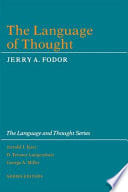
The Language of Thought
Jerry Fodor
A philosophical exploration of mental representation and cognitive processes. Fodor argues for a computational theory of mind and language. The book examines how mental representations relate to linguistic structures. It provides a groundbreaking perspective on the cognitive foundations of language.
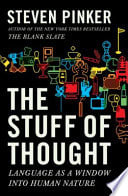
The Stuff of Thought
Steven Pinker
An exploration of how language reveals the structure of human thought. Pinker examines linguistic mechanisms that reflect cognitive processes. The book provides insights into how language shapes and reflects mental representations. It offers a fascinating analysis of the relationship between language and cognition.
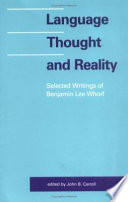
Language and Thought
Benjamin Lee Whorf
A groundbreaking exploration of linguistic relativity that examines how language shapes human perception and understanding. Whorf challenges traditional views of language as a neutral communication tool. He argues that different languages fundamentally alter how speakers conceptualize reality. The book provides deep insights into the intricate relationship between language, culture, and cognition.
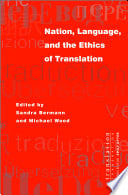
Translation and Identity
Lawrence Venuti
An exploration of translation as a complex cultural and political practice. Venuti examines how translation shapes cultural understanding and power dynamics. The book challenges traditional views of translation as a neutral linguistic transfer. It provides critical insights into the cultural and ideological dimensions of translation.
Metaphor and Thought
Andrew Ortony
A comprehensive collection exploring the cognitive role of metaphorical thinking. Ortony brings together diverse perspectives on metaphor's cognitive functions. The book examines how metaphors structure understanding across different domains. It provides insights into the fundamental cognitive mechanisms of linguistic representation.
The Linguistics of Translation
Eugene Nida
A comprehensive examination of translation theory and practice across different linguistic and cultural contexts. Nida explores the complex challenges of transferring meaning between languages. The book provides insights into the cognitive and cultural processes involved in translation. It offers a systematic approach to understanding translation as more than a mechanical linguistic exercise.

In Other Words
Jhumpa Lahiri
A memoir about Lahiri's personal journey of learning Italian and exploring linguistic identity. The book reflects on the transformative power of language and the challenges of cross-cultural communication. Lahiri provides a deeply personal account of linguistic immersion and cultural adaptation. It offers a unique perspective on the emotional and intellectual dimensions of language learning.
The Meaning of Language
Peter Carruthers
A philosophical investigation into the nature of linguistic meaning and communication. Carruthers explores how language represents and constructs human understanding. The book examines the cognitive mechanisms underlying linguistic interpretation. It provides a sophisticated analysis of language as a complex cognitive system.
Linguistic Anthropology
Alessandro Duranti
A comprehensive study of language as a cultural and social practice. Duranti explores how language mediates social interactions and cultural meanings. The book provides a holistic approach to understanding linguistic communication. It offers insights into the complex relationship between language, culture, and social structure.
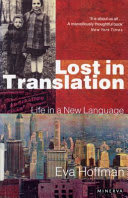
Lost in Translation
Eva Hoffman
A personal memoir exploring the linguistic and cultural challenges of navigating multiple languages and identities. Hoffman reflects on her experience of moving from Poland to Canada and the profound impact of language on personal identity. The book provides a deeply personal exploration of linguistic displacement and cultural adaptation. It offers intimate insights into the psychological dimensions of translation.
Linguistic Relativity
John Lucy
A scholarly examination of the relationship between language, thought, and cultural perception. Lucy provides a rigorous analysis of how linguistic structures influence cognitive processes. The book explores the complex interactions between language and mental representation. It offers a nuanced perspective on the Sapir-Whorf hypothesis and linguistic diversity.
The Language Puzzle
Ray Jackendoff
An exploration of the cognitive mechanisms underlying language structure and use. Jackendoff examines the complex interactions between linguistic form and mental representation. The book provides a comprehensive analysis of linguistic cognition. It offers insights into how humans process and generate linguistic information.
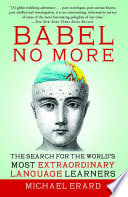
Babel No More
Michael Erard
An exploration of extraordinary language learners and the cognitive mechanisms behind multilingualism. Erard investigates how some individuals master multiple languages with exceptional skill. The book delves into the psychological and neurological aspects of language acquisition. It provides fascinating insights into human linguistic capabilities and the nature of language learning.
Linguistic Landscapes
Rodrigue Landry
An examination of how language is visually represented in public spaces. Landry explores the social and cultural significance of linguistic displays. The book investigates how language visibility reflects power dynamics and cultural identity. It provides insights into the complex relationship between language, space, and social interaction.
No account connected — sign in to comment.