
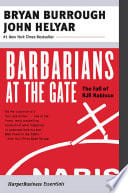
A book that stormed both the bestseller list and the public imagination, a book that created a genre of its own, and a book that gets at the heart of Wall Street and the '80s culture it helped define, Barbarians at the Gate has emerged twenty years after the tumultuous deal it so brilliantly recounts as a modern classic—a masterpiece of investigatory journalism and a rollicking book of corporate derring-do and financial swordsmanship. The fight to control RJR Nabisco during October and November of 1988 was more than just the largest takeover in Wall Street history. Marked by brazen displays of ego not seen in American business for decades, it became the high point of a new gilded age and its repercussions are still being felt. The tale remains the ultimate story of greed and glory—a story and a cast of characters that determined the course of global business and redefined how deals would be done and fortunes made in the decades to come. Barbarians at the Gate is the gripping account of these two frenzied months, of deal makers and publicity flaks, of an old-line industrial powerhouse (home of such familiar products a Oreos and Camels) that became the victim of the ruthless and rapacious style of finance in the 1980s. As reporters for The Wall Street Journal, Burrough and Helyar had extensive access to all the characters in this drama. They take the reader behind the scenes at strategy meetings and society dinners, into boardrooms and bedrooms, providing an unprecedentedly detailed look at how financial operations at the highest levels are conducted but also a richly textured social history of wealth at the twilight of the Reagan era. At the center of the huge power struggle is RJR Nabisco's president, the high-living Ross Johnson. It's his secret plan to buy out the company that sets the frenzy in motion, attracting the country's leading takeover players: Henry Kravis, the legendary leveraged-buyout king whose entry into the fray sets off an acquisitive commotion; Peter Cohen, CEO of Shearson Lehman Hutton and Johnson's partner, who needs a victory to propel his company to an unchallenged leadership in the lucrative mergers and acquisitions field; the fiercely independent Ted Forstmann, motivated as much by honor as by his rage at the corruption he sees taking over the business he cherishes; Jim Maher and his ragtag team, struggling to regain credibility for the decimated ranks at First Boston; and an army of desperate bankers, lawyers, and accountants, all drawn inexorably to the greatest prize of their careers—and one of the greatest prizes in the history of American business. Written with the bravado of a novel and researched with the diligence of a sweeping cultural history, Barbarians at the Gate is present at the front line of every battle of the campaign. Here is the unforgettable story of that takeover in all its brutality. In a new afterword specially commissioned for the story's 20th anniversary, Burrough and Helyar return to visit the heroes and villains of this epic story, tracing the fallout of the deal, charting the subsequent success and failure of those involved, and addressing the incredible impact this story—and the book itself—made on the world.
Average Rating
Informations
About the author
Bryan Burrough, John Helyar
Author
Barbarians at the Gate
by Bryan Burrough, John Helyar
Books Like Barbarians at the Gate
If you're looking for books similar to Barbarians at the Gate, here are some recommendations based on themes, tone, and narrative style.
Den of Thieves
James B. Stewart
An explosive narrative about insider trading and financial corruption on Wall Street during the 1980s. The book chronicles the rise and fall of prominent financial figures like Michael Milken and Ivan Boesky. It offers a detailed exploration of corporate malfeasance and the high-stakes world of investment banking.
The Smartest Guys in the Room
Bethany McLean
A gripping investigative account of the Enron scandal that reveals the corporate greed and financial manipulation behind one of the largest corporate bankruptcies in history. The book exposes the complex web of deception and hubris that led to Enron's collapse. It provides a deep dive into corporate culture, financial engineering, and the systemic failures that enabled massive fraud.
The Big Short
Michael Lewis
An in-depth exploration of the 2008 financial crisis, focusing on the few investors who predicted and profited from the housing market collapse. Lewis provides a compelling narrative about financial innovation, market manipulation, and the systemic risks in the financial system. The book offers insights into complex financial instruments and corporate greed.
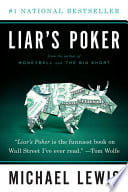
Liar's Poker
Michael Lewis
A firsthand account of the excesses and culture of Wall Street during the 1980s. Lewis provides an insider's perspective on the world of bond trading at Salomon Brothers, revealing the raw ambition, greed, and ruthless competition that defined the era. The book offers a satirical and revealing look at financial markets.
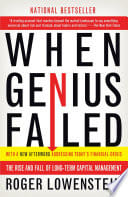
When Genius Failed
Roger Lowenstein
A detailed account of the rise and spectacular collapse of Long-Term Capital Management, a hedge fund managed by financial experts and Nobel Prize winners. The book reveals the dangers of financial hubris and the complex world of derivatives trading. It provides a cautionary tale about risk management and financial innovation.
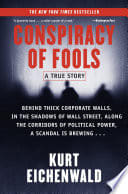
Conspiracy of Fools
Kurt Eichenwald
A detailed account of the Enron scandal that exposes the systematic fraud and corporate corruption that led to the company's collapse. Eichenwald provides a narrative that reads like a thriller, revealing the complex web of deceit at the highest levels of corporate management. The book offers a comprehensive look at corporate malfeasance.
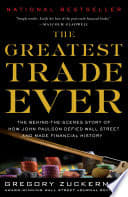
The Greatest Trade Ever
Gregory Zuckerman
The story of John Paulson's unprecedented financial bet against the housing market before the 2008 financial crisis. The book reveals how Paulson and a small group of investors predicted and profited from the market collapse. It provides a fascinating look at financial innovation and contrarian thinking.
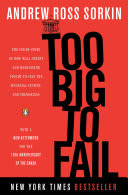
Too Big to Fail
Andrew Ross Sorkin
A comprehensive account of the 2008 financial crisis and the key players who tried to prevent economic collapse. The book provides an intimate look at the decision-makers in government and finance during a critical moment in economic history. It reveals the complex negotiations and high-stakes drama of the financial meltdown.
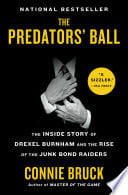
The Predators' Ball
Connie Bruck
A comprehensive investigation of Michael Milken and the rise of junk bond trading in the 1980s. The book explores the aggressive financial strategies that transformed corporate America and the personalities behind the leveraged buyout revolution. It offers a deep dive into the world of high-stakes financial engineering.
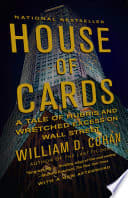
House of Cards
William D. Cohan
A detailed account of the collapse of Bear Stearns and the early stages of the 2008 financial crisis. The book provides an insider's perspective on the events that led to the investment bank's downfall. It offers insights into the culture of Wall Street and the systemic risks in financial markets.
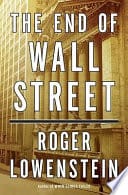
The End of Wall Street
Roger Lowenstein
A comprehensive analysis of the 2008 financial crisis and its origins. Lowenstein provides a detailed account of the systemic failures and individual decisions that led to the economic meltdown. The book offers insights into the culture of risk and speculation on Wall Street.
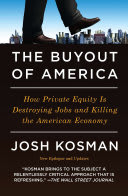
The Buyout of America
Josh Kosman
An exploration of the private equity industry and its impact on American businesses. The book reveals the strategies of leveraged buyouts and their consequences for workers and companies. It provides a critical examination of financial practices that reshape corporate landscapes.
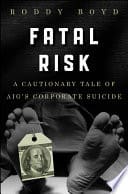
Fatal Risk
Roddy Boyd
A comprehensive investigation of AIG's near-collapse during the 2008 financial crisis. The book explores the complex financial strategies and risk management failures that led to the insurance giant's downfall. It offers a detailed look at the interconnected world of financial institutions.
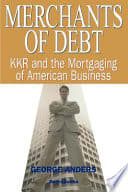
Merchants of Debt
George Anders
An exploration of the rise of leveraged buyouts and the transformation of corporate America in the 1980s. The book provides a detailed look at the financial strategies that reshaped business practices. It offers insights into the world of corporate finance and the personalities behind major financial innovations.
No account connected — sign in to comment.