
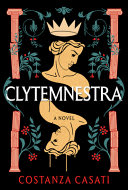
"Fans of Circe and Elektra should pick up this powerful Greek myth retelling." —Cosmopolitan For fans of Madeline Miller, a stunning debut following Clytemnestra, the most notorious villainess of the ancient world and the events that forged her into the legendary queen. As for queens, they are either hated or forgotten. She already knows which option suits her best... You were born to a king, but you marry a tyrant. You stand by helplessly as he sacrifices your child to placate the gods. You watch him wage war on a foreign shore, and you comfort yourself with violent thoughts of your own. Because this was not the first offence against you. This was not the life you ever deserved. And this will not be your undoing. Slowly, you plot. But when your husband returns in triumph, you become a woman with a choice. Acceptance or vengeance, infamy follows both. So, you bide your time and force the gods' hands in the game of retribution. For you understood something long ago that the others never did. If power isn't given to you, you have to take it for yourself. A blazing novel set in the world of Ancient Greece, this is a thrilling tale of power and prophecies, of hatred, love, and of an unforgettable Queen who fiercely dealt out death to those who wronged her. "Crackles with vivid fury, passion, and strength." —Jennifer Saint, bestselling author of Elektra and Ariadne
Average Rating
Informations
About the author
Costanza Casati
Author
writer
Clytemnestra
by Costanza Casati
Books Like Clytemnestra
If you're looking for books similar to Clytemnestra, here are some recommendations based on themes, tone, and narrative style.
Circe
Madeline Miller
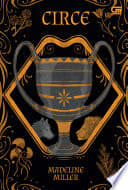
A powerful retelling of the mythical sorceress Circe's life, exploring her transformation from overlooked nymph to a powerful witch. Miller reimagines Greek mythology through a feminist lens, giving voice to a complex female character traditionally marginalized in epic narratives. The novel delves into themes of power, agency, and self-discovery, similar to Clytemnestra's journey. Circe challenges divine and mortal expectations, crafting her own destiny through resilience and magical prowess.
The Song of Achilles
Madeline Miller
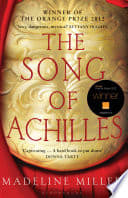
A lyrical reimagining of the Trojan War through the lens of Patroclus and Achilles' relationship. Miller's novel, like Clytemnestra, offers a fresh perspective on classical mythology, humanizing legendary figures. The book explores themes of love, destiny, and individual agency against the backdrop of epic historical events. It provides a nuanced view of heroism and personal choice.
The Silence of the Girls
Pat Barker
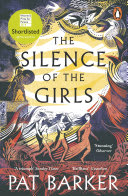
A powerful retelling of the Iliad from the perspective of Briseis, a captured woman. Barker centers the experiences of women during war, exploring themes of survival, resilience, and agency. The novel provides a stark, unflinching look at the human cost of conflict. It shares Clytemnestra's interest in revealing the inner lives of women traditionally marginalized in epic narratives.
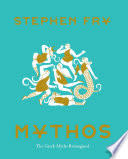
Mythos
Stephen Fry
A comprehensive, engaging retelling of Greek myths that provides historical and cultural context. Fry offers accessible, entertaining narratives that bring mythological figures to life. The book explores themes of human nature, divine intervention, and personal transformation. It complements Clytemnestra's approach of reimagining classical narratives.

Elektra
Jennifer Saint
Another Greek myth retelling focusing on a woman's perspective in a male-dominated world. The story explores Elektra's complex relationship with her family, revenge, and personal agency. Saint, like Casati, reimagines a legendary female figure's inner emotional landscape. The narrative confronts themes of familial betrayal, justice, and the psychological toll of vengeance.
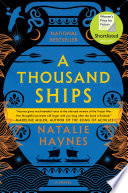
A Thousand Ships
Natalie Haynes
An innovative retelling of the Trojan War that centers women's experiences and voices. Haynes provides a comprehensive, multi-perspective narrative that deconstructs traditional epic storytelling. The novel explores the profound impact of war on women, their resilience, and their often-overlooked stories. Like Clytemnestra, it challenges historical narratives and gives voice to marginalized perspectives.
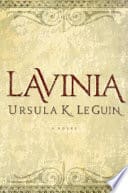
Lavinia
Ursula K. Le Guin
A reimagining of Virgil's Aeneid from the perspective of Lavinia, a previously voiceless character. Le Guin provides a nuanced exploration of a woman's experience in a mythological context. The novel examines themes of destiny, choice, and personal agency. Like Clytemnestra, it offers a feminist reinterpretation of classical mythology.

Pandora's Jar
Natalie Haynes
A non-fiction exploration of women in Greek mythology, providing context and reinterpretation. Haynes deconstructs traditional narratives, offering fresh perspectives on legendary female figures. The book examines how women have been portrayed and misunderstood in classical stories. It complements Clytemnestra's approach of challenging established mythological narratives.

Ariadne
Jennifer Saint
A feminist retelling of the Minotaur myth, focusing on Ariadne's perspective and agency. Saint explores a woman's journey of survival and self-determination in a patriarchal mythological world. The novel challenges traditional narratives by centering a female character's emotional and psychological experience. Themes of power, betrayal, and personal transformation resonate with Clytemnestra's story.
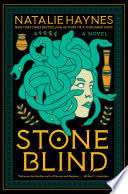
Stone Blind
Natalie Haynes
A retelling of the Medusa myth that explores themes of victimhood, transformation, and female power. Haynes deconstructs the traditional narrative, presenting Medusa as a complex, sympathetic character. The novel examines how women are perceived and punished in mythological contexts. Like Clytemnestra, it challenges established narratives and gives voice to a misunderstood female figure.
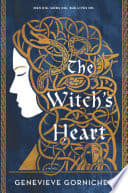
The Witch's Heart
Genevieve Gornichec
A novel reimagining the Norse mythological figure Angrboda, exploring themes of survival and personal transformation. Gornichec provides a nuanced exploration of a woman's agency in a mythological context. The novel examines themes of power, resilience, and personal choice. Like Clytemnestra, it offers a feminist reinterpretation of a legendary figure.
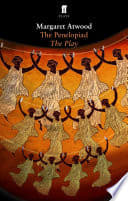
The Penelopiad
Margaret Atwood
A reimagining of The Odyssey from Penelope's perspective, challenging traditional mythological narratives. Atwood provides a feminist reinterpretation that gives depth and agency to a character traditionally defined by her waiting. The novel explores themes of survival, storytelling, and female resilience in a male-dominated world. It shares Clytemnestra's interest in reframing historical perspectives.
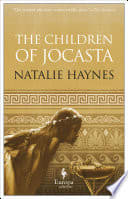
The Children of Jocasta
Natalie Haynes
A retelling of the Oedipus myth that centers on the experiences of Jocasta and her daughter. Haynes provides a complex, empathetic view of characters traditionally seen as passive or tragic. The novel explores themes of fate, choice, and female resilience. It shares Clytemnestra's interest in reframing mythological narratives.

The Immortals
Jordanna Max Brodsky
A contemporary fantasy reimagining Greek gods in modern New York City. Brodsky explores themes of divine power, transformation, and personal agency. The novel provides a unique perspective on mythological figures, examining their relevance in contemporary contexts. Like Clytemnestra, it offers a fresh, innovative take on classical mythology.
No account connected — sign in to comment.