
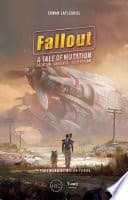
The year was 1997 and Fallout: A Post Nuclear Role Playing Game had just been released by Interplay. This book looks back at the entire Fallout saga, tells the story of the series' birth, retraces its history and deciphers its mechanics. The perfect book to discover and understand the origins of Fallout, with the saga's genesis and the decryption of each of his episodes ! EXTRACT "The intro music and the end credits were the final main components of this hybrid post-apocalyptic/50s ambiance. Initially, Brian Fargo wanted to signal Fallout’s inspiration with Warriors of the Wasteland, by Frankie Goes to Hollywood, but when he heard The Ink Spots, he changed his mind and loved the result. The first choice was I Don’t Want To Set The World On Fire by this group of crooners from the 1930s/40s, but unfortunately the high cost made it impossible to acquire the rights. But while browsing an extensive list of tracks from the era, the team found that Maybe, by the same group, had almost the same sound-with the added bonus of being cheap! The lyrics are about a break-up, from the point of view of the person being left behind: "Maybe you’ll think of me when you are all alone/ Then maybe you’ll ask me to come back again". Leonard Boyarsky notes that, "It worked with the intro [and the ending]", referring to the ending with the betrayal and lonely exile of Fallout’s hero. "It felt like it was this genius plan we had [...] but it was only later that we decided to kick [the player] out of the Vault. I feel like this is a metaphor for the whole game: it looks like we had a better picture in mind than we did, it just came out of the things we were doing"."
Average Rating
Informations
About the author
Erwan Lafleuriel
Author
French video-games journalist
Fallout
by Erwan Lafleuriel
Books Like Fallout
If you're looking for books similar to Fallout, here are some recommendations based on themes, tone, and narrative style.
Masters of Doom
David Kushner
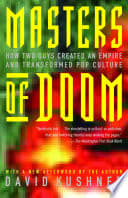
A definitive book about the creation of groundbreaking video games, focusing on id Software and the developers behind Doom and Quake. It explores the innovative spirit of game designers and the early days of the video game industry. The book provides deep insights into game development, creative processes, and the personalities behind revolutionary games. It captures the technical and cultural revolution of early computer gaming similar to the Fallout book's approach.
Blood, Sweat, and Pixels
Jason Schreier
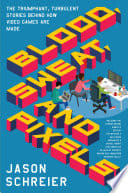
A behind-the-scenes look at video game development, revealing the challenges and stories behind major game productions. The book explores the creative and technical struggles of making video games across different studios. It provides detailed narratives about game creation that parallel the Fallout book's documentary style. Schreier offers an insider's perspective on the gaming industry's complex development processes.
Console Wars
Blake J. Harris
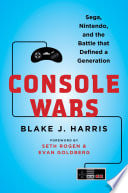
A comprehensive narrative about the competitive battle between Sega and Nintendo in the 1990s video game market. The book details the strategic moves, personalities, and technological innovations that shaped the gaming industry. It provides a deep historical perspective on video game development and marketing. The storytelling approach is similar to the Fallout book's historical exploration.
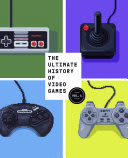
The Ultimate History of Video Games
Steven L. Kent
A comprehensive chronicle of video game history from the earliest arcade games to modern consoles. The book explores the technological, cultural, and business evolution of the gaming industry. It provides detailed accounts of game development, key personalities, and industry milestones. Kent's approach mirrors the Fallout book's historical documentation style.
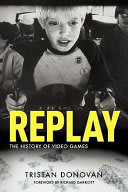
Replay: The History of Video Games
Tristan Donovan
A comprehensive exploration of video game history from the earliest computer experiments to modern gaming. Donovan traces the technological and cultural evolution of games across decades. The book provides detailed narratives about game development, key innovations, and industry transformations. Its historical perspective aligns with the Fallout book's documentary approach.
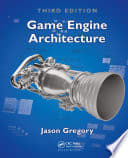
Game Engine Architecture
Jason Gregory
A technical deep dive into the design and implementation of video game engines. Gregory explains the complex systems that power modern video games, from rendering to physics simulation. The book provides technical insights into game development that complement the Fallout book's exploration of game mechanics. It offers a comprehensive look at the technological foundations of game creation.
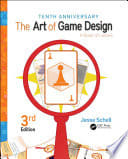
The Art of Game Design
Jesse Schell
A comprehensive guide to game design principles, covering creativity, mechanics, and player experience. Schell provides insights into the complex process of creating engaging interactive experiences. The book explores the theoretical and practical aspects of game development. Its analytical approach mirrors the Fallout book's deep examination of game mechanics.
Extra Lives
Tom Bissell
A personal exploration of video game culture and its impact on modern entertainment. Bissell provides a nuanced examination of gaming's artistic and cultural significance. The book blends personal narrative with critical analysis of video game experiences. Its reflective approach aligns with the Fallout book's documentary style.
A Theory of Fun for Game Design
Raph Koster
A philosophical and practical exploration of what makes games enjoyable and meaningful. Koster examines the underlying principles of game design and player engagement. The book provides deep insights into the cognitive and emotional aspects of gaming. Its analytical approach complements the Fallout book's examination of game mechanics.
Game Feel
Steve Swink
A technical and creative exploration of how game mechanics create player experience. Swink examines the subtle design elements that make games feel responsive and engaging. The book provides deep insights into the technical and artistic aspects of game design. Its detailed approach mirrors the Fallout book's comprehensive exploration of game mechanics.

Reality Is Broken
Jane McGonigal
An exploration of how video games impact human psychology and social interaction. McGonigal examines the deeper meanings and potential of gaming beyond entertainment. The book provides insights into game design, player motivation, and the cultural significance of interactive experiences. Its analytical approach complements the Fallout book's deep dive into game mechanics.
The Game Design Reader
Katie Salen Tekinbaş
A collection of essays and writings about game design, theory, and player experience. The book explores the intellectual and creative processes behind game development. It provides multiple perspectives on how games are conceived, designed, and experienced. The analytical approach resonates with the Fallout book's in-depth examination of game design.
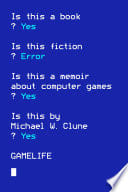
Gamelife
Michael W. Clune
A memoir exploring the personal and psychological impact of video games on a young player's life. Clune reflects on how games shape imagination, learning, and personal development. The book provides a personal narrative about gaming's cultural significance. Its introspective approach complements the Fallout book's historical exploration.

Superbetter
Jane McGonigal
An exploration of how game design principles can be applied to personal growth and overcoming challenges. McGonigal discusses how game mechanics can motivate and transform human behavior. The book provides unique insights into the psychological potential of game design. Its innovative perspective complements the Fallout book's exploration of game mechanics.
No account connected — sign in to comment.