
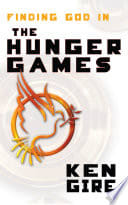
Ken Gire, author of more than 20 books, offers a Christian perspective on the themes inherent in the popular dystopian series, The Hunger Games, written by Suzanne Collins. This book is about the absence of God and the consequences of his absence in our individual lives and in the collective life of the state. And yet, the image of God still resides in us, offering hope. This book offers us tools we'll need as we prepare to face The Hunger Games to come in all of our lives.
4.2/5
Average Rating
Informations
Genre
Bible
Published01 janvier 2012
Recommendations12
About the author
Ken Gire
Author
Finding God in The Hunger Games
by Ken Gire
Bible
Books Like Finding God in The Hunger Games
If you're looking for books similar to Finding God in The Hunger Games, here are some recommendations based on themes, tone, and narrative style.
Top 1
94%
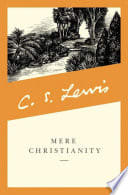
Mere Christianity
C.S. Lewis
A philosophical exploration of Christian faith that examines fundamental religious concepts through rational argument. Lewis breaks down complex theological ideas into accessible language, addressing the nature of good and evil, free will, and God's role in human experience. The book offers insights into spiritual struggles and the meaning of faith in a challenging world. It provides a thoughtful approach to understanding Christian beliefs.
Top 2
92%
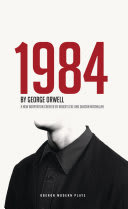
1984
George Orwell
A dystopian novel depicting a totalitarian society where individual thought is suppressed and government control is absolute. The protagonist Winston Smith struggles against a oppressive regime that manipulates truth and destroys personal freedom. The book explores themes of power, surveillance, and the human spirit's resistance to tyranny. It raises critical questions about social control and individual identity.
Top 3
92%
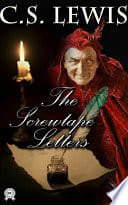
The Screwtape Letters
C.S. Lewis
A satirical novel written as a series of letters from a senior demon to his nephew, exploring spiritual warfare and human temptation. The book provides a unique perspective on Christian morality and the subtle ways humans are led away from spiritual truth. It offers deep insights into human nature, moral choices, and spiritual struggle. Lewis uses wit and imagination to explore complex theological concepts.

92%
Orthodoxy
G.K. Chesterton
A philosophical work exploring Christian faith through intellectual and imaginative reasoning. Chesterton offers a unique perspective on spiritual beliefs, challenging conventional thinking about religion and human nature. The book combines wit, paradox, and profound insight to examine spiritual truths. It provides a compelling exploration of faith from a rational and creative standpoint.
90%
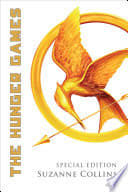
The Hunger Games
Suzanne Collins
A dystopian novel set in a post-apocalyptic world where teenagers are forced to fight to the death in a televised event. The story follows Katniss Everdeen, who volunteers to take her sister's place in the brutal competition. It explores themes of survival, sacrifice, and resistance against oppressive systems. The book raises profound questions about human nature, social injustice, and individual courage.
90%
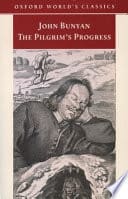
The Pilgrim's Progress
John Bunyan
An allegorical novel depicting a Christian's spiritual journey through life's challenges. The protagonist Christian travels from the City of Destruction to the Celestial City, encountering various spiritual and moral obstacles. The book is a profound exploration of faith, redemption, and spiritual transformation. It offers a metaphorical representation of the Christian spiritual experience.
90%
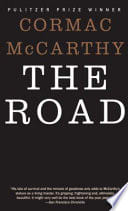
The Road
Cormac McCarthy
A post-apocalyptic novel following a father and son's journey through a devastated landscape. The book explores themes of survival, love, and maintaining humanity in extreme circumstances. It raises profound questions about moral choices, hope, and human resilience in the face of total destruction. The narrative offers a powerful meditation on parental love and spiritual endurance.

88%
Brave New World
Aldous Huxley
A dystopian novel presenting a future society engineered for stability and conformity at the cost of individual freedom. The story examines a world where human beings are genetically programmed and conditioned to fulfill specific social roles. It critiques systems that prioritize social harmony over personal autonomy and spiritual meaning. The book challenges readers to consider the value of individual choice and human dignity.
88%
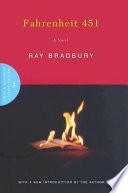
Fahrenheit 451
Ray Bradbury
A dystopian novel about a future society where books are banned and firemen burn any literature they find. The protagonist Montag begins to question the system and seeks intellectual freedom. The book explores themes of censorship, the importance of knowledge, and individual thought. It critiques societies that suppress critical thinking and personal expression.
86%
Divergent
Veronica Roth
A dystopian novel set in a society divided into distinct factions based on human virtues. The protagonist Tris Prior discovers she is Divergent, meaning she doesn't fit into any single category. The book explores themes of identity, conformity, and individual choice in a rigidly structured society. It raises questions about personal freedom and the dangers of systemic oppression.
86%
The Giver
Lois Lowry
A dystopian novel about a seemingly perfect society that has eliminated pain and suffering by removing emotional depth and individual choice. The protagonist Jonas is selected to receive memories of the past and discovers the true nature of his community. The book explores themes of individuality, freedom, and the importance of human emotions. It raises profound questions about the nature of happiness and personal autonomy.
84%
Mere Humanity
Donald T. Williams
A philosophical exploration of human nature from a Christian perspective. The book examines what it means to be human in light of Christian theology and philosophical thought. It offers insights into human dignity, individual worth, and spiritual identity. Williams provides a thoughtful analysis of human experience through a Christian worldview.
No account connected — sign in to comment.