
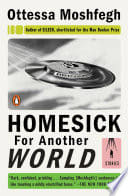
A New York Times Book Review Notable Book of 2017 An electrifying first collection from one of the most exciting short story writers of our time "I can’t recall the last time I laughed this hard at a book. Simultaneously, I’m shocked and scandalized. She’s brilliant, this young woman."—David Sedaris Ottessa Moshfegh's debut novel Eileen was one of the literary events of 2015. Garlanded with critical acclaim, it was named a book of the year by The Washington Post and the San Francisco Chronicle, nominated for a National Book Critics Circle Award, short-listed for the Man Booker Prize, and won the PEN/Hemingway Award for debut fiction. But as many critics noted, Moshfegh is particularly held in awe for her short stories. Homesick for Another World is the rare case where an author's short story collection is if anything more anticipated than her novel. And for good reason. There's something eerily unsettling about Ottessa Moshfegh's stories, something almost dangerous, while also being delightful, and even laugh-out-loud funny. Her characters are all unsteady on their feet in one way or another; they all yearn for connection and betterment, though each in very different ways, but they are often tripped up by their own baser impulses and existential insecurities. Homesick for Another World is a master class in the varieties of self-deception across the gamut of individuals representing the human condition. But part of the unique quality of her voice, the echt Moshfeghian experience, is the way the grotesque and the outrageous are infused with tenderness and compassion. Moshfegh is our Flannery O'Connor, and Homesick for Another World is her Everything That Rises Must Converge or A Good Man is Hard to Find. The flesh is weak; the timber is crooked; people are cruel to each other, and stupid, and hurtful. But beauty comes from strange sources. And the dark energy surging through these stories is powerfully invigorating. We're in the hands of an author with a big mind, a big heart, blazing chops, and a political acuity that is needle-sharp. The needle hits the vein before we even feel the prick.
Average Rating
Informations
About the author
Ottessa Moshfegh
Author
Ottessa Charlotte Moshfegh is an American author and novelist. Her debut novel, Eileen (2015), won the Hemingway Foundation/PEN Award, was shortlisted for the Booker Prize, and was a fiction finalist for the National Book Critics Circle Award. Moshfegh's subsequent novels include My Year of Rest and Relaxation, Death in Her Hands, and Lapvona.
Homesick for Another World
by Ottessa Moshfegh
Books Like Homesick for Another World
If you're looking for books similar to Homesick for Another World, here are some recommendations based on themes, tone, and narrative style.
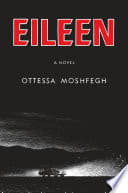
Eileen
Ottessa Moshfegh
Moshfegh's debut novel about a young woman working in a boys' prison who becomes entangled in a dark, twisted plot. The book explores themes of isolation, desperation, and moral ambiguity. It showcases Moshfegh's signature style of creating deeply flawed, unsettling characters. The protagonist's psychological complexity and dark humor align closely with the stories in Homesick for Another World.
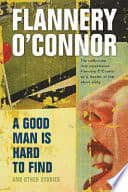
A Good Man is Hard to Find
Flannery O'Connor
A collection of short stories that delve into the grotesque and dark aspects of human nature in the American South. O'Connor's work features morally complex characters and unexpected moments of violence and revelation. The stories blend dark humor with profound psychological insights. Like Moshfegh's collection, these stories explore human weakness and unexpected moments of grace.
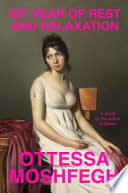
My Year of Rest and Relaxation
Ottessa Moshfegh
Another Moshfegh novel featuring an alienated protagonist who attempts to hibernate for a year. The book explores themes of disconnection, mental health, and societal expectations. Like Homesick for Another World, it presents a darkly humorous examination of human vulnerability. The protagonist's extreme choices reveal deeper psychological landscapes.
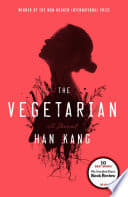
The Vegetarian
Han Kang
A novel about a woman who decides to become vegetarian after disturbing dreams, causing profound disruption in her family. The book explores themes of bodily autonomy, mental health, and societal expectations. Like Moshfegh's work, it features characters making unconventional choices that reveal deeper psychological landscapes. The narrative is unsettling and provocative.

Tenth of December
George Saunders
A short story collection exploring human vulnerability through darkly comic scenarios. Saunders creates characters on the margins of society, revealing their inner lives with compassion and humor. The stories blend absurdity with profound emotional insight. Like Moshfegh, Saunders finds beauty in uncomfortable, grotesque human experiences.
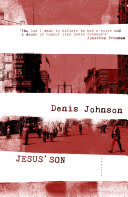
Jesus' Son
Denis Johnson
A collection of interconnected short stories following a drug addict's experiences. The book presents a raw, unflinching look at addiction, desperation, and human vulnerability. Johnson's prose is stark and poetic, similar to Moshfegh's direct yet lyrical style. The stories reveal the beauty and horror of human existence through deeply flawed characters.
Bluets
Maggie Nelson
A genre-defying work exploring love, loss, and the color blue through fragmentary prose. Nelson's writing, like Moshfegh's, challenges traditional narrative structures. The book delves into personal obsession and emotional complexity. Its intimate, unconventional approach resonates with the psychological depth of Homesick for Another World.
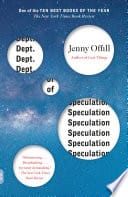
Dept. of Speculation
Jenny Offill
A fragmented novel exploring marriage, motherhood, and personal disintegration. Offill's experimental style reveals inner psychological landscapes through brief, intense passages. The book's exploration of human vulnerability and disconnection mirrors Moshfegh's thematic interests. Characters struggle with existential questions in intimate, revealing ways.

White Teeth
Zadie Smith
A multi-generational story exploring identity, immigration, and cultural complexity in London. Smith's debut novel features eccentric characters and dark humor similar to Moshfegh's style. The book navigates complex human relationships with wit and compassion. Characters struggle with personal and cultural dislocations in ways that echo Moshfegh's thematic interests.
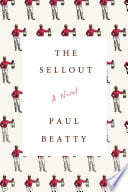
The Sellout
Paul Beatty
A satirical novel about race in America that uses dark humor to explore complex social issues. Beatty's protagonist makes provocative, unexpected choices that challenge societal norms. The book's irreverent tone and psychological complexity echo Moshfegh's narrative approach. It reveals human nature through absurd, uncomfortable scenarios.
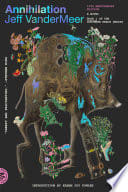
Annihilation
Jeff VanderMeer
A surreal science fiction novel about a mysterious expedition into an inexplicably transformed landscape. The book explores psychological disintegration and human adaptation to the unknown. VanderMeer's narrative, like Moshfegh's work, reveals human vulnerability through unsettling, transformative experiences. Characters confront profound existential uncertainties.
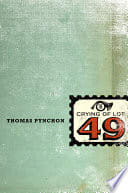
The Crying of Lot 49
Thomas Pynchon
A postmodern novel about a woman uncovering a mysterious underground postal system. The book blends dark humor, paranoia, and existential questioning. Pynchon's protagonist, like Moshfegh's characters, is alienated and searching for meaning. The narrative's surreal and unsettling qualities mirror the disorienting experiences in Homesick for Another World.
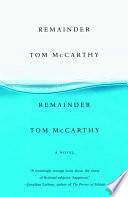
Remainder
Tom McCarthy
A novel about a man obsessed with recreating precise moments after a mysterious accident. McCarthy explores psychological repetition and human alienation through an unusual narrative. The protagonist's bizarre quest reveals deep psychological complexity. Like Moshfegh's stories, the book finds strange beauty in obsessive, unconventional experiences.

Tampa
Alissa Nutting
A provocative novel about a female teacher who sexually preys on young students. The book presents an unflinching, morally complex narrative about desire and social taboos. Nutting's protagonist, like many of Moshfegh's characters, is deeply flawed and challenging. The novel explores human darkness with unflinching directness.
No account connected — sign in to comment.