
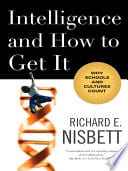
Nisbett debunks the myth of genetic inheritance of intelligence and persuasively demonstrates how intelligence can be enhanced : the anti-Bell Curve book.--From publisher description.
4.5/5
Average Rating
Informations
Genre
Education
Published01 janvier 2009
Recommendations10
About the author
Richard E. Nisbett
Author
Richard Eugene Nisbett is an American social psychologist and writer. He is the Theodore M. Newcomb Distinguished Professor of social psychology and co-director of the Culture and Cognition program at the University of Michigan at Ann Arbor. Nisbett's research interests are in social cognition, culture, social class, and aging. He received his Ph.D. from Columbia University, where his advisor was Stanley Schachter, whose other students at that time included Lee Ross and Judith Rodin.
Intelligence and how to Get it
by Richard E. Nisbett
Education
Books Like Intelligence and how to Get it
If you're looking for books similar to Intelligence and how to Get it, here are some recommendations based on themes, tone, and narrative style.
Top 1
94%
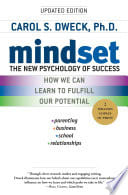
Mindset: The New Psychology of Success
Carol S. Dweck
Explores how our beliefs about intelligence and talent shape our learning potential. Demonstrates that a growth mindset can dramatically improve academic and personal achievement. Shows how people can develop their abilities through dedication and hard work. Challenges fixed notions of intelligence similar to Nisbett's work. Provides practical strategies for developing cognitive potential.
Top 2
92%
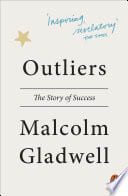
Outliers
Malcolm Gladwell
Examines how extraordinary success is not just about individual talent but also about opportunity and cultural advantages. Challenges traditional notions of innate ability and demonstrates how context shapes achievement. Provides compelling evidence that environment and practice are crucial to developing expertise. Aligns with Nisbett's critique of genetic determinism. Offers nuanced perspectives on intelligence and success.
Top 3
92%
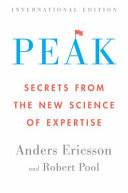
Peak: Secrets from the New Science of Expertise
Anders Ericsson
Explores how deliberate practice can transform performance in any domain. Provides scientific evidence that expertise is developed through targeted, structured learning. Challenges myths about innate talent and demonstrates how anyone can improve their cognitive abilities. Aligns closely with Nisbett's perspective on intelligence malleability. Offers practical methods for accelerating skill acquisition.
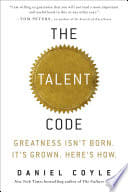
90%
The Talent Code
Daniel Coyle
Investigates how skill and intelligence are developed through deep practice and neural optimization. Reveals scientific insights into how the brain builds talent through targeted learning. Explores how environment and deliberate practice can dramatically enhance cognitive abilities. Complements Nisbett's arguments about intelligence being malleable. Offers concrete techniques for accelerating learning and skill development.
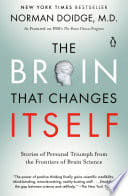
90%
The Brain That Changes Itself
Norman Doidge
Reveals groundbreaking research on neuroplasticity and the brain's capacity for transformation. Demonstrates how the brain can rewire and improve throughout life. Challenges traditional views of fixed intelligence and cognitive potential. Supports Nisbett's arguments about intelligence being malleable. Provides inspiring examples of cognitive adaptation and learning.
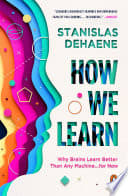
90%
The Learning Brain
Stanislas Dehaene
Explores neuroscientific understanding of how learning occurs in the brain. Provides detailed insights into cognitive development and neural plasticity. Demonstrates how brain circuits can be modified through targeted learning experiences. Supports Nisbett's view of intelligence as adaptable. Offers scientific explanations for cognitive improvement strategies.
88%
Grit: The Power of Passion and Perseverance
Angela Duckworth
Argues that sustained effort and passion are more important than innate talent in achieving long-term goals. Presents research showing how determination can overcome perceived intellectual limitations. Explores how individuals can develop resilience and improve their capabilities. Supports Nisbett's view that intelligence is not fixed. Provides strategies for cultivating personal growth and learning.
88%
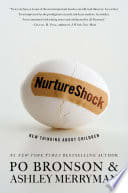
Nurture Shock
Po Bronson
Examines contemporary scientific research challenging conventional wisdom about child development and intelligence. Reveals surprising insights into how children learn and develop cognitive skills. Challenges genetic determinism and emphasizes environmental influences. Complements Nisbett's critique of fixed intelligence. Offers evidence-based perspectives on education and cognitive potential.
88%
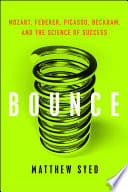
Bounce
Matthew Syed
Investigates the myths surrounding talent and demonstrates how practice and opportunity drive exceptional performance. Challenges genetic explanations of success and intelligence. Provides compelling evidence that deliberate practice is key to developing expertise. Aligns with Nisbett's arguments about intelligence malleability. Offers inspiring examples of cognitive transformation.
86%
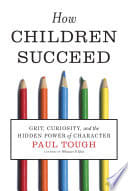
How Children Succeed
Paul Tough
Investigates how non-cognitive skills like character and perseverance are crucial for academic and life success. Challenges traditional views of intelligence and academic potential. Demonstrates how environmental factors and personal characteristics shape learning outcomes. Complements Nisbett's arguments about intelligence development. Offers insights into educational strategies that promote cognitive growth.
No account connected — sign in to comment.