
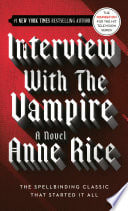
The spellbinding classic that started it all, from the #1 New York Times bestselling author—the inspiration for the hit television series “A magnificent, compulsively readable thriller . . . Rice begins where Bram Stoker and the Hollywood versions leave off and penetrates directly to the true fascination of the myth—the education of the vampire.”—Chicago Tribune Here are the confessions of a vampire. Hypnotic, shocking, and chillingly sensual, this is a novel of mesmerizing beauty and astonishing force—a story of danger and flight, of love and loss, of suspense and resolution, and of the extraordinary power of the senses. It is a novel only Anne Rice could write.
4.5/5
Average Rating
Informations
Genre
Fiction
Published17 novembre 2010
Recommendations14
About the author
Anne Rice
Author
Anne Rice was an American author of Gothic fiction, erotic literature, and Bible fiction. She is best known for writing The Vampire Chronicles. She later adapted the first volume in the series into a commercially successful eponymous film, Interview with the Vampire (1994).
Interview with the Vampire
by Anne Rice
Fiction
Books Like Interview with the Vampire
If you're looking for books similar to Interview with the Vampire, here are some recommendations based on themes, tone, and narrative style.
Top 1
90%
The Vampire Chronicles
Anne Rice
The complete series that began with Interview with the Vampire, offering an expansive exploration of vampire mythology. Rice creates a rich, interconnected world of immortal beings with complex moral and philosophical dilemmas. The series continues to expand the psychological and emotional landscape of vampires, challenging traditional horror tropes.
Top 2
88%
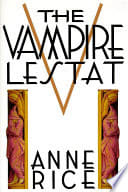
The Vampire Lestat
Anne Rice
The direct sequel to Interview with the Vampire, continuing Rice's exploration of vampire mythology. Lestat, a central character from the first book, becomes the protagonist, revealing his own complex backstory and perspective. The novel expands the supernatural world established in the first book, offering deeper insights into vampire origins and psychology. It maintains Rice's lyrical prose and philosophical approach to immortal existence.
Top 3
86%
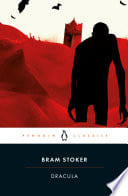
Dracula
Bram Stoker
The original vampire novel that set the standard for gothic horror. It tells the story of Count Dracula's attempt to move from Transylvania to England to spread the curse of the undead. The book is written in an epistolary format through letters and diary entries, creating an immersive and chilling narrative. Like Rice's work, it explores the psychological complexity of vampiric existence and the boundary between human and monster.

86%
Midnight's Children
Salman Rushdie
While not a vampire novel, this book shares Rice's lyrical prose and exploration of supernatural themes. The novel uses magical realism to explore identity, transformation, and historical change. Its rich, metaphorical approach to storytelling resonates with Rice's narrative style.
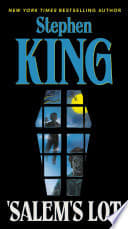
84%
Salem's Lot
Stephen King
A modern vampire story set in a small Maine town invaded by vampires. The novel delves deep into the psychological horror of vampirism and community transformation. King's narrative explores the darkness lurking beneath seemingly ordinary surfaces, much like Rice's examination of vampire psychology. The book offers a contemporary take on vampire mythology with intense character development.
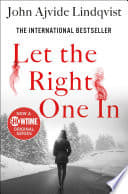
84%
Let the Right One In
John Ajvide Lindqvist
A Swedish novel that reimagines vampire mythology through a coming-of-age story. The book explores the relationship between a bullied young boy and a mysterious vampire child. Like Rice's work, it offers a deeply psychological approach to vampirism, focusing on emotional complexity and human connection.
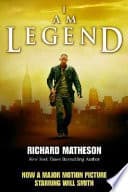
82%
I Am Legend
Richard Matheson
A groundbreaking novel that reimagines vampires as a result of a pandemic. The story follows the last human survivor in a world overrun by vampire-like beings. Matheson's work, like Rice's, deconstructs traditional vampire mythology and explores themes of isolation, survival, and the nature of humanity. The novel offers a scientific and psychological approach to the vampire narrative.
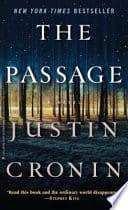
82%
The Passage
Justin Cronin
A post-apocalyptic novel that reimagines vampires as the result of a scientific experiment. The book offers a sweeping narrative about transformation and survival. Like Rice, Cronin explores the psychological and social implications of vampirism beyond traditional horror tropes.
80%
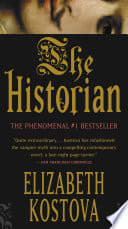
The Historian
Elizabeth Kostova
An intricate historical thriller that blends vampire mythology with academic research. The novel follows a young woman's quest to uncover her father's mysterious past and the true history of Dracula. Like Rice's work, it offers a sophisticated, literary approach to vampire lore. The book combines historical detail, gothic atmosphere, and a deep exploration of vampire origins.
80%
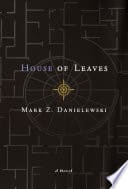
House of Leaves
Mark Z. Danielewski
An experimental novel that, like Rice's work, challenges traditional narrative structures. The book explores psychological horror and the nature of perception. Its complex, layered storytelling and exploration of psychological boundaries echo themes in Interview with the Vampire.
78%
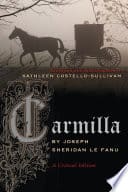
Carmilla
Sheridan Le Fanu
A pioneering gothic novella that predates Dracula and explores vampire mythology with a focus on female vampires. The story centers on a young woman's relationship with a mysterious female vampire. Le Fanu's work influenced many later vampire narratives, including Rice's, by introducing psychological complexity and homoerotic undertones to vampire fiction.
78%
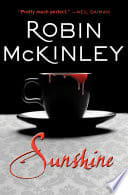
Sunshine
Robin McKinley
A contemporary fantasy novel that offers a unique take on vampire mythology. The story follows a baker who becomes entangled with vampire society. McKinley, like Rice, focuses on the emotional and psychological complexity of vampires, creating a rich, nuanced supernatural world.
76%
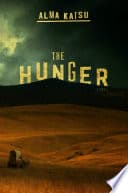
The Hunger
Alma Katsu
A historical horror novel that blends vampire mythology with the true story of the Donner Party. The book offers a supernatural explanation for the group's tragic journey. Similar to Rice's approach, it combines historical detail with supernatural elements and psychological depth.
74%
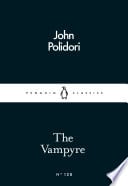
The Vampyre
John William Polidori
Considered the first vampire story in English literature, this novella established many vampire tropes. The story explores the aristocratic, seductive vampire archetype that later influenced works like Rice's. It offers a foundational look at vampire mythology in Western literature.
No account connected — sign in to comment.