
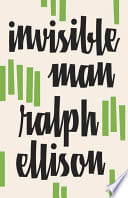
NATIONAL BOOK AWARD WINNER • NATIONAL BESTSELLER • In this deeply compelling novel and epic milestone of American literature, a nameless narrator tells his story from the basement lair of the Invisible Man he imagines himself to be. One of The Atlantic’s Great American Novels of the Past 100 Years He describes growing up in a Black community in the South, attending a Negro college from which he is expelled, moving to New York and becoming the chief spokesman of the Harlem branch of "the Brotherhood," before retreating amid violence and confusion. Originally published in 1952 as the first novel by a then unknown author, it remained on the bestseller list for sixteen weeks and established Ralph Ellison as one of the key writers of the century. The book is a passionate and witty tour de force of style, strongly influenced by T.S. Eliot's The Waste Land, James Joyce, and Dostoevsky.
Average Rating
Informations
About the author
Ralph Ellison
Author
Ralph Waldo Ellison was an American writer, literary critic, and scholar best known for his novel Invisible Man, which won the National Book Award in 1953.
Invisible Man
by Ralph Ellison
Books Like Invisible Man
If you're looking for books similar to Invisible Man, here are some recommendations based on themes, tone, and narrative style.
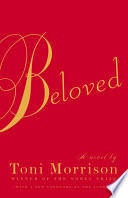
Beloved
Toni Morrison
A haunting novel about the psychological trauma of slavery, following Sethe, a former slave haunted by her past. Morrison explores the lasting impact of racial oppression through a powerful narrative that blends historical reality with supernatural elements. The book provides a profound meditation on memory, identity, and the enduring wounds of historical violence.
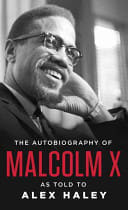
The Autobiography of Malcolm X
Malcolm X and Alex Haley
A powerful autobiographical account of Malcolm X's life, tracing his transformation from a troubled youth to a influential civil rights leader. The book provides deep insights into racial dynamics, personal growth, and social change in mid-20th century America. Malcolm X's narrative challenges readers to confront systemic racism and seek personal and collective liberation.
The Souls of Black Folk
W.E.B. Du Bois
A seminal work examining the African American experience through a series of essays that explore racial identity, social structures, and the concept of double consciousness. Du Bois provides profound insights into the Black experience in America, blending personal narrative with sociological analysis. The book challenges readers to understand the complex psychological and social realities of Black life in the early 20th century.
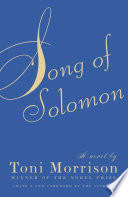
Song of Solomon
Toni Morrison
A rich, complex novel tracing the journey of Milkman Dead as he discovers his family history and African American heritage. Morrison weaves a narrative that explores identity, community, and personal liberation through a multilayered story of self-discovery. The book combines magical realism with a deep exploration of Black cultural experience.
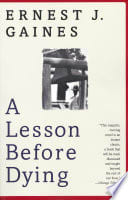
A Lesson Before Dying
Ernest J. Gaines
A profound novel about dignity and resistance in the face of racial injustice, following a young Black man wrongfully sentenced to death. Gaines explores themes of personal dignity, community, and resistance to systemic racism. The book provides a powerful meditation on humanity and moral courage in an unjust society.
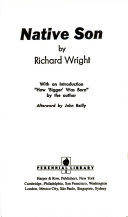
Native Son
Richard Wright
A groundbreaking novel exploring racial tensions in 1930s Chicago through the story of Bigger Thomas, a young Black man trapped by systemic racism. Wright's powerful narrative examines the psychological impact of oppression and societal constraints on individual identity. The book confronts complex issues of race, violence, and social injustice with unflinching intensity.
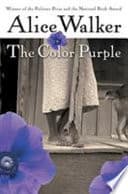
The Color Purple
Alice Walker
An epistolary novel following Celie, a young Black woman in the early 20th century South, as she overcomes profound personal and societal challenges. Walker explores themes of racism, sexism, and personal empowerment through a deeply moving narrative. The book reveals the strength and resilience of Black women in the face of systemic oppression.
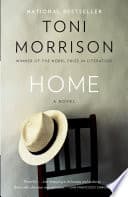
Home
Toni Morrison
A powerful novella exploring a Korean War veteran's journey of healing and self-discovery. Morrison examines themes of trauma, racial identity, and personal redemption through a compact but deeply moving narrative. The book provides a nuanced exploration of individual and collective healing in the aftermath of racial and military violence.
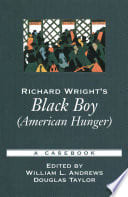
Black Boy
Richard Wright
An autobiographical novel chronicling Wright's experiences growing up in the Jim Crow South, detailing the brutal racism and personal struggles he encountered. The book explores themes of identity, survival, and intellectual awakening in a deeply oppressive social environment. Wright's raw and powerful narrative reveals the psychological impact of racism on individual development.
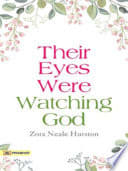
Their Eyes Were Watching God
Zora Neale Hurston
A groundbreaking novel following Janie Crawford's journey to self-discovery and personal autonomy in the early 20th century. Hurston explores themes of race, gender, and individual identity through a rich, poetic narrative. The book celebrates Black female agency and resilience in a deeply oppressive social environment.
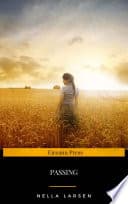
Passing
Nella Larsen
A nuanced exploration of racial identity through the story of two light-skinned Black women who can 'pass' as white. Larsen examines complex issues of race, identity, and social performance in early 20th century America. The novel provides a profound meditation on the psychological and social complexities of racial identity.
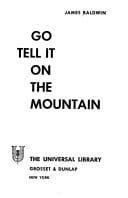
Go Tell It on the Mountain
James Baldwin
A semi-autobiographical novel exploring the complex dynamics of a Black family in Harlem, focusing on spiritual and racial identity. Baldwin delves deep into themes of religion, race, and personal transformation through the story of John Grimes. The book powerfully examines the intersections of family, faith, and racial experience in mid-20th century America.
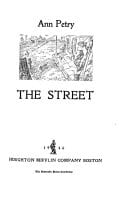
The Street
Ann Petry
A powerful novel depicting the struggles of a Black single mother in 1940s Harlem, exploring systemic racism and personal resilience. Petry provides a vivid portrayal of urban Black life and the challenges faced by women in a deeply unequal society. The book offers a stark, unflinching look at social and economic barriers.
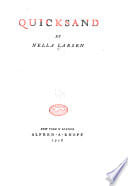
Quicksand
Nella Larsen
A novel exploring the complex experiences of a mixed-race woman navigating racial and personal identity in the early 20th century. Larsen delves into themes of racial ambiguity, social expectations, and personal alienation. The book provides a nuanced examination of racial and gender identity in a restrictive social context.
No account connected — sign in to comment.