
No description available.
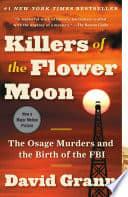
4.2/5
Average Rating
Informations
Genre
Fiction
Published12 octobre 2023
Recommendations13
About the author
David Grann
Author
David Elliot Grann is an American journalist, a staff writer for The New Yorker, and author.
La note américaine
by David Grann
Fiction
Books Like La note américaine
If you're looking for books similar to La note américaine, here are some recommendations based on themes, tone, and narrative style.
Top 1
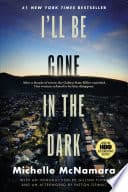
94%
I'll Be Gone in the Dark
Michelle McNamara
A haunting investigation into the Golden State Killer, combining true crime reporting with personal obsession. McNamara's posthumously published book chronicles years of research into a serial killer who terrorized California in the 1970s and 1980s. The narrative blends meticulous detective work with compelling storytelling, ultimately contributing to the killer's eventual capture. It represents a landmark work of investigative journalism.
Top 2
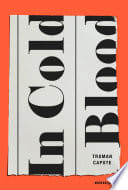
92%
In Cold Blood
Truman Capote
A pioneering true crime narrative about the brutal murder of a Kansas farming family in 1959. Capote reconstructs the crime, investigation, and eventual capture of the killers with extraordinary literary detail. The book blends journalistic reporting with novelistic techniques, creating a groundbreaking work of narrative non-fiction. It explores the psychological complexity of criminals and the impact of violence on a small community.
Top 3

92%
The Stranger Beside Me
Ann Rule
A unique true crime account by a woman who personally knew serial killer Ted Bundy. Rule provides an intimate, psychological exploration of a notorious murderer from a deeply personal perspective. The book reveals the shocking duality of a charming, intelligent man who was simultaneously a brutal killer. It offers unprecedented insight into the psychology of a serial murderer.
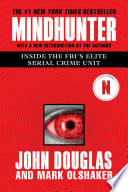
92%
Mindhunter
John Douglas
A groundbreaking account of the FBI's development of criminal profiling techniques. Douglas shares insights from his work interviewing serial killers and developing investigative strategies. The book reveals the psychological approaches used to understand violent criminals. It represents a pivotal work in understanding criminal psychology and investigative techniques.
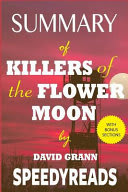
90%
Killers of the Flower Moon
David Grann
A gripping non-fiction narrative about a series of murders of Osage Native Americans in 1920s Oklahoma. The book explores a complex conspiracy involving oil wealth and systemic racism. Grann meticulously investigates a dark chapter of American history, revealing the birth of the FBI and a shocking criminal investigation. This true crime story demonstrates Grann's exceptional investigative journalism and storytelling skills.
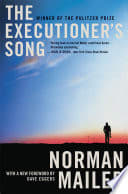
90%
The Executioner's Song
Norman Mailer
A Pulitzer Prize-winning account of Gary Gilmore, the first person executed in the United States after the reinstatement of the death penalty. Mailer provides an exhaustive, novelistic exploration of Gilmore's life, crimes, and execution. The book delves deep into American social dynamics, criminal psychology, and the complex moral landscape of capital punishment. It represents a groundbreaking work of narrative non-fiction.
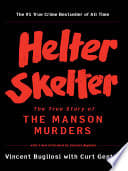
90%
Helter Skelter
Vincent Bugliosi
The definitive account of the Charles Manson murders, written by the prosecutor who convicted Manson. Bugliosi provides a comprehensive investigation into one of America's most notorious criminal cases. The book explores the psychological manipulation behind the Manson Family and the complex legal proceedings. It offers unprecedented insight into a landmark criminal investigation.
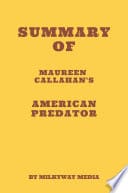
88%
American Predator
Maureen Callahan
An investigative account of Israel Keyes, one of America's most meticulous and least-known serial killers. Callahan uncovers the chilling methodology of a killer who carefully planned his crimes across multiple states. The book provides unprecedented insight into the psychology of a modern predator who defied traditional criminal profiling. It explores the terrifying possibility of undetected serial killers in contemporary America.
88%
The Cases That Haunt Us
John Douglas
An exploration of infamous unsolved criminal cases by a pioneering FBI profiler. Douglas applies modern investigative techniques to historical mysteries, offering new perspectives on complex investigations. The book reveals the psychological approaches used in criminal profiling. It provides fascinating insights into the methods of understanding criminal behavior.
86%
The Devil in the White City
Erik Larson
A compelling narrative intertwining the 1893 Chicago World's Fair with the story of serial killer H.H. Holmes. Larson masterfully blends historical fact with suspenseful storytelling, revealing the dark underbelly of American progress. The book explores themes of ambition, innovation, and hidden evil in late 19th-century America. It demonstrates how seemingly glamorous events can mask sinister realities.
86%
Lost Girls
Robert Kolker
An investigative account of the unsolved Long Island Serial Killer case. Kolker explores the lives of sex workers murdered on Long Island, revealing systemic societal failures. The book provides a compassionate examination of marginalized victims and institutional indifference. It represents a powerful critique of how society treats vulnerable populations.
84%
Midnight in the Garden of Good and Evil
John Berendt
A narrative non-fiction work exploring a murder in Savannah, Georgia, that reveals the city's eccentric social landscape. Berendt creates a vivid portrait of a Southern community through a complex murder investigation. The book blends true crime with rich cultural observation, revealing hidden social dynamics and personal motivations. It transforms a criminal case into a broader exploration of human nature.
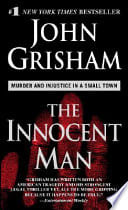
82%
The Innocent Man
John Grisham
A non-fiction account of a wrongful conviction in Oklahoma, exploring systemic failures in the criminal justice system. Grisham investigates the case of Ron Williamson, a former baseball player wrongly convicted of murder. The book reveals profound flaws in legal procedures and forensic evidence interpretation. It highlights the devastating consequences of judicial errors and prosecutorial misconduct.
No account connected — sign in to comment.