
Après 'Les aventures de Tom Sawyer', le retour de Huckleberry, un héros inoubliable.
4.5/5
Average Rating
Informations
Genre
Juvenile Fiction
Published08 mars 2017
Recommendations14
About the author
Mark Twain
Author
Samuel Langhorne Clemens, known by the pen name Mark Twain, was an American writer, humorist, and essayist. He was praised as the "greatest humorist the United States has produced", with William Faulkner calling him "the father of American literature". Twain's novels include The Adventures of Tom Sawyer (1876) and its sequel, Adventures of Huckleberry Finn (1884), with the latter often called the "Great American Novel". He also wrote A Connecticut Yankee in King Arthur's Court (1889) and Pudd'nhead Wilson (1894) and cowrote The Gilded Age: A Tale of Today (1873) with Charles Dudley Warner. The novelist Ernest Hemingway claimed that "All modern American literature comes from one book by Mark Twain called Huckleberry Finn."
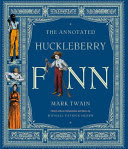
Les aventures de Huckleberry Finn
by Mark Twain
Juvenile Fiction
Books Like Les aventures de Huckleberry Finn
If you're looking for books similar to Les aventures de Huckleberry Finn, here are some recommendations based on themes, tone, and narrative style.
Top 1
94%
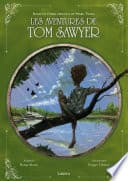
Les aventures de Tom Sawyer
Mark Twain
A classic coming-of-age story set in the American South, following the mischievous Tom Sawyer and his adventures along the Mississippi River. The novel explores childhood, friendship, and social dynamics through Tom's playful and rebellious perspective. It serves as a prequel to Huckleberry Finn, introducing many of the same characters and themes of youthful independence and moral complexity.
Top 2
94%
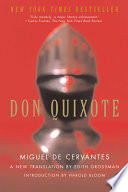
Don Quixote
Miguel de Cervantes
A classic novel about an idealistic knight's adventures and misadventures. While different in style, the book shares themes of individual imagination, social critique, and personal journey. The protagonist's unique perspective and quest for meaning resonate with Huckleberry Finn's narrative approach.
Top 3

92%
Treasure Island
Robert Louis Stevenson
A classic adventure novel following young Jim Hawkins on a perilous journey to find pirate treasure. The story captures the spirit of youthful adventure and independence similar to Huckleberry Finn. Jim's coming-of-age experience and encounters with complex characters mirror Huck's own transformative journey.
92%
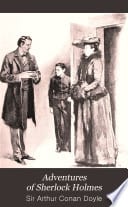
The Adventures of Sherlock Holmes
Arthur Conan Doyle
A collection of detective stories featuring keen observation and adventure. While different in genre, the stories share a sense of narrative excitement and individual problem-solving. The focus on personal agency and clever navigation of challenges resonates with Huckleberry Finn's spirit.
90%
Great Expectations
Charles Dickens
A coming-of-age story about Pip, an orphan who experiences social mobility and personal transformation. The novel explores themes of social class, personal growth, and moral development similar to Huckleberry Finn. Pip's journey of self-discovery and moral complexity resonates with the narrative style of Twain's classic.
90%
Robinson Crusoe
Daniel Defoe
A classic adventure novel about survival and personal transformation on a deserted island. Like Huckleberry Finn, the story explores themes of individual resilience, adaptation, and personal growth. Crusoe's journey of self-discovery and survival mirrors Huck's own quest for freedom.
88%
The Call of the Wild
Jack London
An adventure story about Buck, a dog's journey from domesticity to wilderness survival. Like Huckleberry Finn, the novel explores themes of freedom, adaptation, and individual survival against challenging environments. The narrative captures a similar spirit of adventure and personal transformation.
88%
The Prince and the Pauper
Mark Twain
Another Twain novel exploring social identity and personal transformation. Two boys from different social backgrounds exchange lives, revealing the arbitrary nature of social class. The novel's themes of identity, social critique, and youthful perspective align closely with Huckleberry Finn.
88%
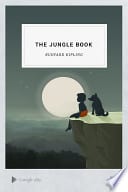
The Jungle Book
Rudyard Kipling
A collection of stories about Mowgli, a boy raised by animals in the jungle. The narrative explores themes of survival, adaptation, and personal growth in a challenging environment. Mowgli's journey of self-discovery and independence parallels Huckleberry Finn's own quest for freedom.

86%
Oliver Twist
Charles Dickens
A powerful narrative about an orphan boy navigating the harsh social conditions of 19th-century London. Oliver's journey from poverty to self-discovery mirrors Huck's own quest for freedom and identity. The novel critiques social injustice and explores themes of survival, friendship, and moral growth through a young protagonist's eyes.
86%
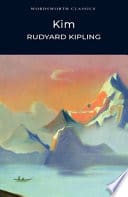
Kim
Rudyard Kipling
An adventure novel following Kim, an orphan navigating colonial India. The story shares themes of personal discovery, cultural exploration, and a young protagonist's journey of self-understanding. Kim's adventures and moral growth echo the narrative style of Huckleberry Finn.
84%
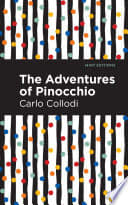
The Adventures of Pinocchio
Carlo Collodi
A whimsical tale of a wooden puppet's journey to become a real boy, filled with moral lessons and adventures. Like Huckleberry Finn, Pinocchio experiences a transformative journey of self-discovery, learning about honesty, courage, and personal growth. The story combines humor, social commentary, and a young protagonist's quest for identity.

84%
White Fang
Jack London
Another London novel about survival and adaptation, following a wolf-dog's journey through harsh environments. The story explores themes of survival, identity, and personal transformation similar to Huckleberry Finn. The protagonist's journey of understanding and adaptation mirrors Huck's own experiences.

82%
The Red Badge of Courage
Stephen Crane
A novel about a young soldier's psychological journey during the American Civil War. Like Huckleberry Finn, the book explores themes of personal growth, moral complexity, and individual experience within a larger social context. The protagonist's internal struggle and quest for understanding parallel Huck's own journey.
No account connected — sign in to comment.