
No description available.
4.7/5
Average Rating
Informations
Genre
Fiction
Published04 avril 2011
Recommendations14
About the author
Victor Hugo
Author
Victor-Marie Hugo, vicomte Hugo was a French Romantic author, poet, essayist, playwright, journalist, human rights activist and politician.
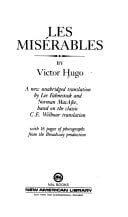
Les Miserables
by Victor Hugo
Fiction
Books Like Les Miserables
If you're looking for books similar to Les Miserables, here are some recommendations based on themes, tone, and narrative style.
Top 1
92%
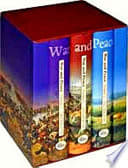
War and Peace
Leo Tolstoy
An epic novel examining human lives during the Napoleonic era in Russia, similar to Hugo's sweeping historical narrative. The book explores personal transformations against a grand historical canvas, featuring complex characters wrestling with moral dilemmas. Themes of social justice, individual destiny, and human interconnectedness resonate strongly with Les Miserables.
Top 2

92%
Anna Karenina
Leo Tolstoy
A complex novel examining personal freedom, societal constraints, and moral choices. While different in plot, it shares Les Miserables' depth of character development and exploration of individual versus societal expectations. Tolstoy crafts a rich narrative about human emotions, social pressures, and personal integrity.
Top 3
92%
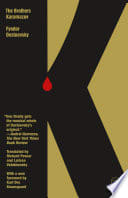
The Brothers Karamazov
Fyodor Dostoevsky
A profound philosophical novel exploring moral responsibility, family dynamics, and spiritual redemption. Like Les Miserables, it delves deep into human psychology and moral complexity. Dostoevsky examines individual moral choices within broader social and philosophical contexts, offering a nuanced view of human nature.
90%
A Tale of Two Cities
Charles Dickens
A powerful historical novel set during the French Revolution, exploring themes of social injustice, redemption, and personal sacrifice. Like Les Miserables, it delves into the struggles of individuals against a turbulent societal backdrop. The narrative follows characters caught in the brutal political landscape, highlighting human resilience and moral complexity.
90%
Crime and Punishment
Fyodor Dostoevsky
A profound psychological novel examining moral redemption and human suffering. Like Les Miserables, it explores an individual's internal struggle with guilt, societal expectations, and personal transformation. The protagonist's journey of moral awakening and potential redemption echoes Hugo's themes of human dignity and spiritual renewal.
90%
Middlemarch
George Eliot
A sophisticated novel examining provincial life and individual moral development. Like Les Miserables, it offers a panoramic view of society through interconnected personal stories. Eliot explores themes of social change, personal growth, and the complex interactions between individual choices and broader societal movements.
90%
One Hundred Years of Solitude
Gabriel García Márquez
An epic novel exploring family, social change, and historical cycles. While stylistically different, it shares Les Miserables' sweeping narrative approach and interest in human resilience. Márquez creates a rich tapestry of interconnected lives, examining how individuals navigate complex social and historical landscapes.
88%
The Count of Monte Cristo
Alexandre Dumas
Another French literary masterpiece about justice, revenge, and personal redemption. The protagonist's journey from wrongful imprisonment to calculated vengeance mirrors Jean Valjean's transformative path. Dumas crafts a rich narrative exploring moral complexity, social hierarchies, and individual agency against systemic injustice.
88%
David Copperfield
Charles Dickens
A bildungsroman following a protagonist's journey from childhood to adulthood, exploring themes of social mobility and personal resilience. Like Les Miserables, it offers a nuanced portrayal of individual struggles within a complex social framework. The narrative emphasizes personal growth, moral development, and overcoming societal obstacles.
88%
The Grapes of Wrath
John Steinbeck
A powerful novel about social injustice and human resilience during the Great Depression. Similar to Les Miserables, it champions the dignity of marginalized people and critiques systemic economic oppression. Steinbeck's narrative emphasizes collective struggle, human compassion, and the potential for social transformation.
86%
The Hunchback of Notre Dame
Victor Hugo
Another Hugo masterpiece set in medieval Paris, examining social marginalization and human compassion. The novel explores themes of beauty, ugliness, and societal prejudice through its complex characters. Like Les Miserables, it critiques social institutions and champions the humanity of society's outcasts.

86%
The Red and the Black
Stendhal
A French novel exploring social ambition, personal desire, and moral complexity. Set in post-Napoleonic France, it shares Les Miserables' keen social observation and examination of individual agency within rigid social structures. The protagonist's journey reveals the tensions between personal aspiration and societal limitations.
86%
Père Goriot
Honoré de Balzac
A French novel set in Paris, exploring social mobility, family dynamics, and personal ambition. Similar to Les Miserables, it provides a sharp critique of social hierarchies and individual struggles. Balzac offers a penetrating examination of Parisian society, revealing the complex interactions between personal desires and social constraints.
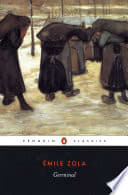
84%
Germinal
Émile Zola
A powerful novel depicting the harsh lives of coal miners during the industrial revolution. Similar to Les Miserables, it provides a stark critique of social inequality and workers' struggles. Zola's naturalistic approach reveals the brutal conditions of the working class, emphasizing themes of collective resistance and individual dignity.
No account connected — sign in to comment.