
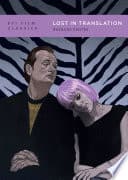
Sofia Coppola's Lost in Translation (2003) brings two Americans together in Tokyo, each experiencing a personal crisis. Charlotte (Scarlett Johansson), a recent graduate in philosophy, faces an uncertain professional future, while Bob Harris (Bill Murray), an established celebrity, questions his choices at midlife. Both are distant -- emotionally and spatially -- from their spouses. They are lost until they develop an intimate connection. In the film's poignant, famously ambiguous closing scene, they find each other, only to separate. In this close look at the multi-award-winning film, Suzanne Ferriss mirrors Lost in Translation's structuring device of travel: her analysis takes the form of a trip, from planning to departure. She details the complexities of filming (a 27-day shoot with no permits in Tokyo), explores Coppola's allusions to fine art, subtle colour palette and use of music over words, and examines the characters' experiences of the Park Hyatt Tokyo and excursions outside, together and alone. She also re-evaluates the film in relation to Coppola's other features, as the product of an established director with a distinctive cinematic signature: 'Coppolism'. Fundamentally, Ferriss argues that Lost in Translation is not only a cinema classic, but classic Coppola too.
Average Rating
Informations
About the author
Suzanne Ferriss
Author
Lost in Translation
by Suzanne Ferriss
Books Like Lost in Translation
If you're looking for books similar to Lost in Translation, here are some recommendations based on themes, tone, and narrative style.
Kafka on the Shore
Haruki Murakami
A surreal novel set partially in Japan exploring personal journeys and unexpected connections. Murakami blends magical realism with deep psychological exploration. The book shares Lost in Translation's interest in emotional landscapes and unexpected human relationships. It captures the sense of mysterious personal transformation.
Norwegian Wood
Haruki Murakami
A novel set in 1960s Tokyo exploring emotional disconnection and unexpected relationships. Murakami captures the sense of urban isolation and personal introspection. The book's characters struggle with emotional distance, mirroring the themes in Lost in Translation. It offers a deep dive into Japanese urban psychology and human connection.

Tokyo Blues
Haruki Murakami
A novel exploring emotional isolation in urban Japanese settings. Murakami captures the psychological complexity of young adults navigating personal challenges. Like Lost in Translation, the book delves into themes of disconnection and unexpected intimacy. It provides a nuanced exploration of urban emotional landscapes.

Sofia Coppola: A Cinema of Girlhood
Anna Backman Rogers
A critical examination of Coppola's cinematic style and thematic preoccupations. The book offers deep insights into Coppola's unique approach to filmmaking and character development. It provides context for understanding Lost in Translation within Coppola's broader artistic vision. Rogers explores the nuanced emotional landscapes that define Coppola's work.
The Sun Also Rises
Ernest Hemingway
A classic novel about expatriates in Europe exploring displacement and emotional disconnection. Hemingway captures the psychological terrain of travelers seeking meaning. Like Lost in Translation, the book examines complex interpersonal dynamics in unfamiliar environments. It provides a timeless exploration of human alienation.
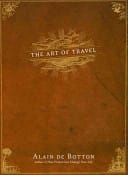
The Art of Travel
Alain de Botton
A philosophical exploration of travel and its psychological impact. De Botton examines how journeys transform our perception of self and place. The book blends personal reflection with cultural analysis, similar to Ferriss's approach to film. It delves into the emotional landscape of displacement and connection, echoing the themes of Lost in Translation.
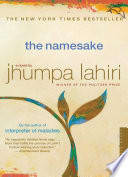
The Namesake
Jhumpa Lahiri
A novel about cultural identity and personal displacement. The story follows a Bengali-American navigating between two worlds. Like Lost in Translation, it explores themes of cultural alienation and personal discovery. Lahiri's work sensitively examines the emotional complexity of feeling out of place.
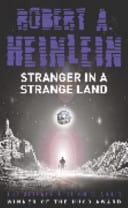
Stranger in a Strange Land
Robert A. Heinlein
A science fiction novel about cultural displacement and personal transformation. The protagonist navigates an entirely foreign world, struggling to understand human connections. Like Lost in Translation, the book explores themes of isolation and unexpected intimacy. Heinlein's work delves into the psychological challenges of being an outsider.
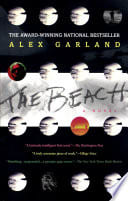
The Beach
Alex Garland
A novel about travelers seeking an idealized escape in Thailand. The story explores themes of cultural displacement and personal transformation. Like Lost in Translation, it examines the psychological impact of being in a foreign environment. Garland captures the complex dynamics of international travelers.

Tokyo Cancelled
Rana Dasgupta
A novel that weaves interconnected stories of travelers stranded in Tokyo. Each narrative explores themes of cultural displacement and unexpected human connections. The book captures the sense of alienation and serendipitous encounters characteristic of Lost in Translation. Dasgupta's work similarly examines the complex emotional terrain of international travel.
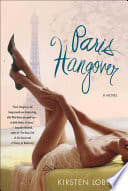
Paris, I Love You
Kristen Lobe
A memoir about an American woman's transformative experience in Paris. The book explores personal reinvention through international travel. Similar to Lost in Translation, it examines how being in a foreign environment can trigger profound personal insights. Lobe's narrative captures the emotional journey of cultural displacement.

Eat, Pray, Love
Elizabeth Gilbert
A memoir about personal transformation through international travel. Gilbert explores emotional healing through experiences in different cultures. The book shares Lost in Translation's themes of self-discovery and unexpected connections. It offers a personal narrative of finding oneself through displacement.

Cosmopolis
Don DeLillo
A novel about a wealthy businessman's surreal journey through Manhattan. DeLillo explores themes of alienation and disconnection in urban spaces. The book shares Lost in Translation's interest in emotional isolation and unexpected human encounters. It provides a sharp critique of modern urban experience.
No account connected — sign in to comment.