
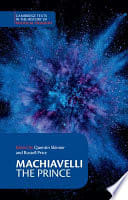
Professor Skinner presents a lucid analysis of Machiavelli's text as a response to the world of Florentine politics.
4.5/5
Average Rating
Informations
Genre
History
Published28 octobre 1988
Recommendations10
About the author
Niccolo Machiavelli
Author
Niccolò di Bernardo dei Machiavelli was a Florentine diplomat, author, philosopher, and historian who lived during the Italian Renaissance. He is best known for his political treatise The Prince, written around 1513 but not published until 1532, five years after his death. He has often been called the father of modern political philosophy and political science.
Machiavelli: The Prince
by Niccolo Machiavelli
History
Books Like Machiavelli: The Prince
If you're looking for books similar to Machiavelli: The Prince, here are some recommendations based on themes, tone, and narrative style.
Top 1
94%
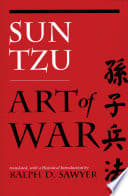
The Art of War
Sun Tzu
A classic treatise on military strategy that explores power dynamics and political maneuvering. Like Machiavelli, Sun Tzu provides strategic insights into leadership and conflict. The book offers profound observations about human nature and political manipulation. It emphasizes pragmatic approaches to achieving objectives and understanding complex social interactions.
Top 2
92%
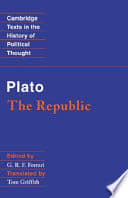
The Republic
Plato
A foundational philosophical work examining political systems and ideal governance. Plato explores the nature of justice and the ideal state through philosophical dialogue. The text critically analyzes power structures and leadership principles. It provides deep insights into political philosophy and human social organization.
Top 3

92%
Politics
Aristotle
A comprehensive analysis of political systems and governance structures. Aristotle examines different forms of government and their strengths and weaknesses. The work provides deep insights into political theory and human social organization. It explores the fundamental principles of political leadership and societal development.
92%
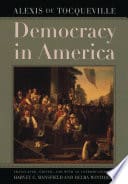
Democracy in America
Alexis de Tocqueville
A comprehensive analysis of democratic political systems and social structures. De Tocqueville provides deep insights into democratic governance and societal dynamics. The book explores the principles of democratic organization and individual liberty. It offers nuanced perspectives on political institutions.
90%
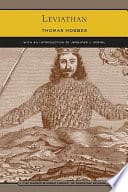
Leviathan
Thomas Hobbes
A seminal work analyzing political power and social contract theory. Hobbes examines human nature and the necessity of strong governance. The book explores how political systems maintain order and control. It provides a philosophical framework for understanding political authority and social dynamics.
90%
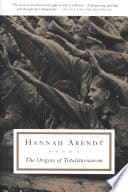
The Origins of Totalitarianism
Hannah Arendt
A profound study of political power and systemic oppression. Arendt analyzes the mechanisms of totalitarian regimes and their historical development. The book provides critical insights into political manipulation and social control. It explores the complex dynamics of power and human behavior.
90%
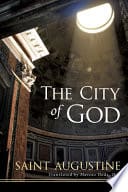
The City of God
Augustine of Hippo
A philosophical exploration of political and religious power structures. Augustine examines the relationship between spiritual and temporal authority. The text provides profound insights into governance and human social organization. It offers a complex analysis of political and theological principles.
88%
The Social Contract
Jean-Jacques Rousseau
A critical examination of political legitimacy and individual rights within society. Rousseau explores the relationship between citizens and government. The text challenges existing political structures and proposes alternative models of governance. It offers profound insights into democratic principles and political philosophy.
88%
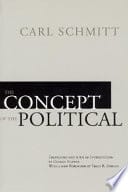
The Concept of the Political
Carl Schmitt
A provocative examination of political theory and power relations. Schmitt explores the fundamental nature of political conflict and distinction. The book provides critical insights into political dynamics and social organization. It challenges traditional understanding of political interactions.
86%
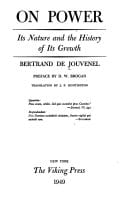
On Power
Bertrand de Jouvenel
An in-depth exploration of political power and its mechanisms. De Jouvenel examines how political institutions develop and maintain control. The book provides sophisticated analysis of power dynamics in society. It offers nuanced perspectives on political structures and leadership.
No account connected — sign in to comment.