
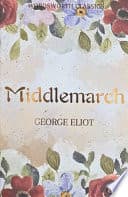
One of the most accomplished and prominent novels of the Victorian era, Middlemarch is an unsurpassed portrait of nineteenth-century English provincial life. Dorothea Brooke is a young woman of fervent ideals who yearns to effect social change yet faces resistance from the society she inhabits. In this epic in a small landscape, Eliot's large cast of precisely delineated characters and the rich tapestry of their stories result in a wise, compassionate, and astute vision of human nature. As Virginia Woolf declared, George Eliot "was one of the first English novelists to discover that men and women think as well as feel, and the discovery was of great artistic moment." Introduction by E. S. Shaffer (Book Jacket Status: Not Jacketed)
4.7/5
Average Rating
Informations
Genre
Fiction
Published15 octobre 1991
Recommendations14
About the author
George Eliot
Author
Mary Ann Evans, known by her pen name George Eliot, was an English novelist, poet, journalist, translator, and one of the leading writers of the Victorian era. She wrote seven novels: Adam Bede (1859), The Mill on the Floss (1860), Silas Marner (1861), Romola (1862–1863), Felix Holt, the Radical (1866), Middlemarch (1871–1872) and Daniel Deronda (1876). Like Charles Dickens and Thomas Hardy, she emerged from provincial England; most of her works are set there. Her works are known for their realism, psychological insight, sense of place, and detailed depiction of the countryside. Middlemarch was described by the novelist Virginia Woolf as "one of the few English novels written for grown-up people" and by Martin Amis and Julian Barnes as the greatest novel in the English language.
Middlemarch
by George Eliot
Fiction
Books Like Middlemarch
If you're looking for books similar to Middlemarch, here are some recommendations based on themes, tone, and narrative style.
Top 1

92%
Jane Eyre
Charlotte Brontë
A powerful narrative of a young woman's quest for independence and self-realization in Victorian England. The novel explores themes of personal integrity, social constraints, and individual moral development. Jane's intellectual and emotional journey resonates with Dorothea Brooke's aspirations for meaningful existence and social contribution.
Top 2
90%
Pride and Prejudice
Jane Austen
A masterful exploration of social dynamics and personal growth in early 19th-century England. The novel follows Elizabeth Bennet as she navigates societal expectations, marriage prospects, and her own misconceptions about love. Like Middlemarch, it offers a nuanced portrayal of women's lives and social constraints. Austen's sharp social commentary and complex characters provide a similar depth of psychological insight.
Top 3
90%
Bleak House
Charles Dickens
A complex narrative examining social injustice and institutional failures in Victorian England. The novel's intricate plot and social critique offer a panoramic view of society similar to Middlemarch. Dickens provides a sweeping examination of individual lives within broader social contexts.
90%
Vanity Fair
William Makepeace Thackeray
A panoramic novel examining social ambition and individual morality in early 19th-century England. The complex characters and social critique provide a similar depth to Middlemarch. Thackeray offers a nuanced exploration of personal motivations within broader social contexts.
88%
Daniel Deronda
George Eliot
Another Eliot novel that delves deeply into social complexities and personal identity. The book explores themes of moral responsibility, cultural belonging, and individual purpose. Like Middlemarch, it offers a profound examination of human motivations and societal constraints. Eliot's characteristic psychological insight and social critique are prominently displayed.
88%
The Mill on the Floss
George Eliot
Another Eliot novel exploring the constraints faced by intelligent women in provincial society. Maggie Tulliver's struggle against social expectations and her own passionate nature mirrors themes in Middlemarch. The novel provides a profound psychological study of individual desires versus societal limitations.
88%
Far from the Madding Crowd
Thomas Hardy
A novel exploring rural life and individual passion within a traditional community. Bathsheba Everdene's complex character and struggles reflect themes of personal agency found in Middlemarch. Hardy offers a rich portrayal of rural society and individual psychology.
86%
Wives and Daughters
Elizabeth Gaskell
A rich narrative of provincial life in Victorian England, focusing on the personal and social development of Molly Gibson. The novel explores themes of social class, personal growth, and women's roles with remarkable psychological depth. Gaskell, like Eliot, creates a compassionate and intricate portrait of rural society and individual character.
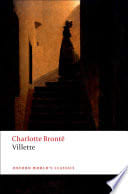
86%
Villette
Charlotte Brontë
A nuanced exploration of a woman's inner life and struggles in a restrictive society. Lucy Snowe's journey of self-discovery and intellectual growth reflects themes of personal development found in Middlemarch. The novel offers deep psychological insights into individual experience.
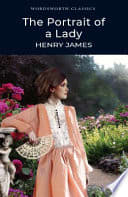
86%
The Portrait of a Lady
Henry James
A sophisticated exploration of a young woman's intellectual and emotional development. Isabel Archer's journey of self-discovery parallels themes in Middlemarch. James provides a deep psychological study of individual consciousness and social constraints.
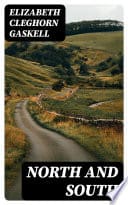
84%
North and South
Elizabeth Gaskell
A novel examining social and economic transformations in industrial England. Margaret Hale's journey from rural southern England to an industrial northern town provides a nuanced exploration of social change. Like Middlemarch, the novel offers deep insights into societal structures and individual responses to broader historical shifts.
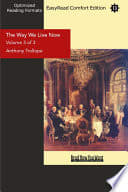
84%
The Way We Live Now
Anthony Trollope
A satirical novel examining social and economic corruption in Victorian England. Like Middlemarch, it provides a panoramic view of society, exploring individual characters within complex social networks. Trollope's keen social observation and character development parallel Eliot's approach.

84%
Cousin Bette
Honoré de Balzac
A complex novel examining social dynamics, personal revenge, and moral corruption. While set in France, it shares Middlemarch's deep psychological insights and social critique. Balzac provides a nuanced exploration of individual motivations within social structures.
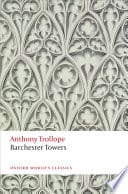
82%
Barchester Towers
Anthony Trollope
A witty exploration of ecclesiastical politics and social dynamics in a small English community. The novel's detailed character studies and social observations echo Middlemarch's approach to provincial life. Trollope provides a nuanced examination of individual motivations within social structures.
No account connected — sign in to comment.