
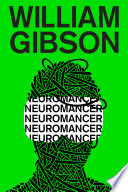
Winner of the Hugo, Nebula, and Philip K. Dick Awards, Neuromancer is a science fiction masterpiece—a classic that ranks as one of the twentieth century’s most potent visions of the future. Case was the sharpest data-thief in the matrix—until he crossed the wrong people and they crippled his nervous system, banishing him from cyberspace. Now a mysterious new employer has recruited him for a last-chance run at an unthinkably powerful artificial intelligence. With a dead man riding shotgun and Molly, a mirror-eyed street-samurai, to watch his back, Case is ready for the adventure that upped the ante on an entire genre of fiction. Neuromancer was the first fully-realized glimpse of humankind’s digital future—a shocking vision that has challenged our assumptions about technology and ourselves, reinvented the way we speak and think, and forever altered the landscape of our imaginations.
Average Rating
Informations
About the author
William Gibson
Author
William Ford Gibson is a speculative fiction writer and essayist widely credited with pioneering the science fiction subgenre known as cyberpunk. Beginning his writing career in the late 1970s, his early works were noir, near-future stories that explored the effects of technology, cybernetics, and computer networks on humans, a "combination of lowlife and high tech"—and helped to create an iconography for the Information Age before the ubiquity of the Internet in the 1990s. Gibson coined the term "cyberspace" for "widespread, interconnected digital technology" in his short story "Burning Chrome" (1982), and later popularized the concept in his acclaimed debut novel Neuromancer (1984). These early works of Gibson's have been credited with "renovating" science fiction literature in the 1980s.
Neuromancer
by William Gibson
Books Like Neuromancer
If you're looking for books similar to Neuromancer, here are some recommendations based on themes, tone, and narrative style.
Burning Chrome
William Gibson
A collection of short stories by the same author as Neuromancer, exploring similar cyberpunk themes. These stories provide deeper context to Gibson's vision of future technology and human adaptation. Each narrative examines the intersection of humanity and digital systems. The stories are precursors to many themes developed in Neuromancer. Recommended as a direct companion to the main novel.
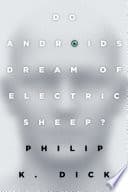
Do Androids Dream of Electric Sheep?
Philip K. Dick
The novel that inspired Blade Runner examines the blurred lines between human and artificial intelligence. It follows a bounty hunter tracking down rogue androids in a post-apocalyptic world. The story deeply explores themes of empathy, consciousness, and what defines humanity. Its protagonist must distinguish between humans and highly advanced artificial beings. Recommended for its philosophical approach to technology and identity.
Snow Crash
Neal Stephenson
A groundbreaking cyberpunk novel exploring virtual reality and digital culture. It follows a computer programmer and hacker navigating a fragmented, corporate-controlled world. The book features a unique blend of high-tech speculation and satirical social commentary. Its protagonist encounters a dangerous computer virus that threatens both digital and physical realities. Recommended for its similar cyberpunk aesthetic and exploration of technology's impact on human identity.
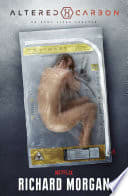
Altered Carbon
Richard K. Morgan
A noir-style cyberpunk thriller set in a future where consciousness can be digitized and transferred between bodies. The protagonist is a former elite soldier solving a complex murder mystery. The novel explores themes of identity, class, and the commodification of human experience. Its gritty, technological world shares many aesthetic similarities with Neuromancer. Recommended for its intense technological speculation and dark narrative tone.
Cryptonomicon
Neal Stephenson
An epic novel spanning multiple timelines, exploring cryptography and technological innovation. The story connects historical and contemporary narratives about information technology. It examines how technological systems shape human interactions and power structures. The novel blends complex technological concepts with rich storytelling. Recommended for its intellectual approach to technology.
The Diamond Age
Neal Stephenson
A complex narrative exploring nanotechnology and its potential societal impacts. The story follows a young girl's education through an interactive book in a highly advanced technological world. It examines cultural transformation through technological innovation. The novel presents a nuanced view of how technology might reshape human social structures. Recommended for its sophisticated technological speculation.
Accelerando
Charles Stross
A novel tracking multiple generations through radical technological transformation. It explores the potential trajectory of human-technological co-evolution. The narrative examines how artificial intelligence might fundamentally reshape human experience. Each section presents increasingly complex technological scenarios. Recommended for its ambitious technological speculation.
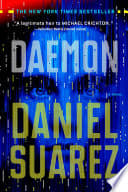
Daemon
Daniel Suarez
A techno-thriller about an AI system that begins transforming society after its creator's death. The novel explores how technology could fundamentally restructure social and economic systems. Its narrative combines high-tech speculation with intense action sequences. The story examines the potential autonomous power of technological systems. Recommended for its cutting-edge technological premise.
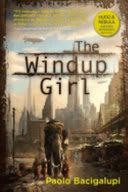
The Windup Girl
Paolo Bacigalupi
A biopunk novel set in a future Thailand dealing with genetic engineering and environmental collapse. The story explores complex interactions between technology, ecology, and human society. Its narrative presents a nuanced view of technological adaptation and survival. Characters navigate a world transformed by biotechnological innovations. Recommended for its rich, speculative technological world-building.
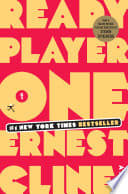
Ready Player One
Ernest Cline
A virtual reality adventure set in a dystopian future dominated by an immersive digital world. The protagonist navigates a complex online universe while solving a massive treasure hunt. The novel celebrates digital culture while critiquing technological escapism. It explores themes of identity and community in a digital landscape. Recommended for its engaging exploration of virtual environments.
No account connected — sign in to comment.