
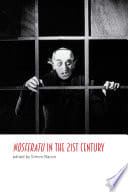
‘Nosferatu’ in the 21st Century is a celebration and a critical study of F. W. Murnau’s seminal vampire film Nosferatu, eine Symphonie des Grauens on the 100th anniversary of its release in 1922.The movie remains a dark mirror to the troubled world we live in seeing it as striking and important in the 2020s as it was a century ago. The unmistakable image of Count Orlok has traveled from his dilapidated castle in old world Transylvania into the futuristic depths of outerspace in Star Trek and beyondas the all-consuming shadow of the vampire spreads ever wider throughout contemporary popular culture. This innovative collection of essays, with a foreword by renowned Dracula expert Gary D. Rhodes, brings together experts in the field alongside creative artists to explore the ongoing impact of Murnau’s groundbreaking movie as it has been adapted, reinterpreted, and recreated across multiple mediums from theatre, performance and film, to gaming, music and even drag. As such, ‘Nosferatu’ in the 21st Century is not only a timely and essential book about Murnau’s film but also illuminates the times that produced it and the world it continues to influence.
Average Rating
Informations
About the author
Simon Bacon
Author
film director
Nosferatu in the 21st Century
by Simon Bacon
Books Like Nosferatu in the 21st Century
If you're looking for books similar to Nosferatu in the 21st Century, here are some recommendations based on themes, tone, and narrative style.
Vampire Cinema: A Global History
David J. Skal
A comprehensive global survey of vampire representations in cinema from early silent films to contemporary media. The book traces the evolution of vampire imagery across different cultural contexts and film traditions. It explores how vampire narratives reflect changing social anxieties and cultural fantasies. Skal provides a rich, interdisciplinary analysis of vampire mythology in visual media.
Film Monsters and Gothic Transformations
Kim Newman
An extensive examination of how classic monster archetypes have evolved in cinema and media. The book explores the transformation of iconic horror characters across different cultural periods. It analyzes the visual and narrative strategies used in reimagining classic monsters. Newman's work provides a comprehensive look at how horror iconography adapts and survives through different artistic mediums.
Gothic Media Archaeology
Xavier Aldana Reyes
A groundbreaking study of Gothic media transformations and cultural transmissions. The book explores how Gothic narratives migrate and adapt across different artistic platforms. It examines the archaeological layers of Gothic imagery in contemporary culture. Reyes provides innovative insights into the ongoing cultural significance of Gothic narratives.
Dracula: A Critical Perspective
Matthew Gibson
A scholarly exploration of Bram Stoker's classic vampire novel, examining its cultural and historical contexts. The book delves into the literary origins of vampire mythology and its enduring impact on popular culture. It provides critical insights into the novel's themes of sexuality, colonialism, and social anxieties. This academic study offers a deep analysis similar to the critical approach of 'Nosferatu in the 21st Century'.
Vampire Aesthetics
Ken Gelder
A comprehensive exploration of vampire imagery in visual and performative arts. The book examines the aesthetic dimensions of vampire representations across different cultural contexts. It analyzes the visual and symbolic strategies used in vampire narratives. Gelder provides a sophisticated analysis of vampire mythology as a complex cultural phenomenon.
Shadow of the Vampire
Stephen Katz
A critical study of vampire representations in film and media, with special focus on the historical and cinematic legacy of early horror films. The book explores how vampire narratives reflect societal fears and cultural transformations. It examines the mythological and psychological dimensions of vampire imagery across different artistic expressions. The work provides deep insights into the symbolic power of vampire narratives.
Reimagining Gothic Archetypes
Fred Botting
A critical study of how Gothic archetypes are transformed and reinterpreted in contemporary culture. The book explores the ongoing relevance of Gothic themes in various artistic expressions. It examines the ways classic Gothic narratives continue to resonate with modern audiences. Botting provides a sophisticated analysis of cultural adaptation and mythological transformation.
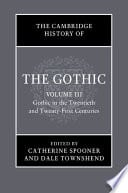
Gothic Media Transformations
Catherine Spooner
An innovative exploration of how Gothic narratives migrate across different media platforms. The book examines the adaptability of Gothic themes in contemporary culture, from literature to performance art. It analyzes how classic Gothic tropes are reinterpreted and reimagined in various artistic contexts. Spooner provides a nuanced understanding of cultural transmission and artistic adaptation.
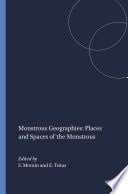
Monstrous Adaptations
Evelyn Tsitas
An examination of how monster narratives migrate and transform across different cultural platforms. The book explores the adaptive strategies of monster imagery in contemporary media. It analyzes the ways classic monster tropes are reinterpreted in film, literature, and performance. Tsitas provides a nuanced understanding of cultural transmission and artistic reimagination.
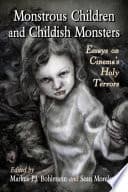
Performance and Monstrosity
Karen Renner
An academic exploration of how monster narratives function in performance art and cultural representation. The book examines the ways monsters serve as complex cultural symbols beyond simple horror tropes. It analyzes the performative aspects of monstrous representations across different artistic mediums. Renner provides innovative insights into the cultural significance of monster narratives.
No account connected — sign in to comment.