
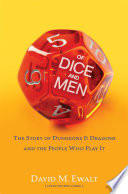
A definitive look at Dungeons & Dragons traces its origins on the battlefields of ancient Europe through the hysteria that linked it to satanic rituals and teen suicides and to its apotheosis as father of the modern video game industry.
4.2/5
Average Rating
Informations
Genre
Games & Activities
Published20 août 2013
Recommendations10
About the author
David M. Ewalt
Author
David M. Ewalt is an American journalist and author. Ewalt is the author of the books Of Dice and Men: The Story of Dungeons & Dragons and The People Who Play It (2013) and Defying Reality: The Inside Story of the Virtual Reality Revolution (2018). As of June 2025, he is the editor-in-chief of Scientific American.
Of Dice and Men
by David M. Ewalt
Games & Activities
Books Like Of Dice and Men
If you're looking for books similar to Of Dice and Men, here are some recommendations based on themes, tone, and narrative style.
Top 1
92%
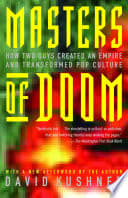
Masters of Doom
David Kushner
A compelling story about the creators of Doom and the early days of video game development. The book follows John Carmack and John Romero's revolutionary work in gaming. It explores the creative process, technological innovation, and personal dynamics of game designers. The narrative reveals how individual passion can transform an entire industry.
Top 2
90%
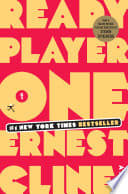
Ready Player One
Ernest Cline
A novel that explores gaming culture and virtual worlds through a dystopian adventure. The protagonist navigates a complex digital universe using his knowledge of pop culture and gaming history. It shares a similar deep dive into geek culture and the transformative power of games. The book celebrates gaming as a meaningful form of human interaction and creativity.
Top 3
90%
Snow Crash
Neal Stephenson
A groundbreaking cyberpunk novel exploring virtual worlds and digital culture. The book presents a future where online and offline realities intersect. It features complex gaming and technological themes similar to D&D's imaginative spirit. Stephenson creates a rich, immersive narrative about human interaction in digital spaces.
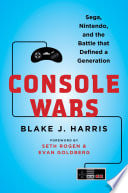
88%
Console Wars
Blake J. Harris
An in-depth exploration of the competitive video game industry in the 1990s. The book details the rivalry between Sega and Nintendo that transformed the gaming landscape. It offers insights into game development, marketing, and technological innovation. The narrative captures the passion and innovation driving the gaming world.
88%
Game Design Workshop
Tracy Fullerton
A comprehensive guide to game design principles and creative processes. The book offers practical insights into creating engaging interactive experiences. It covers game mechanics, player psychology, and design strategies. Fullerton provides a deep understanding of how games are conceptualized and developed.
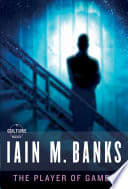
88%
The Player of Games
Iain M. Banks
A science fiction novel about a society where games determine social and political structures. The protagonist navigates complex gaming systems with strategic brilliance. The book explores how games reflect and shape cultural dynamics. Banks creates a fascinating exploration of competition, strategy, and human potential.
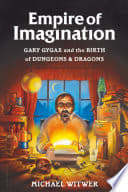
86%
Empire of Imagination
Michael Witwer
A biography of Gary Gygax, the creator of Dungeons & Dragons. The book chronicles the rise of role-playing games and their cultural impact. It provides an intimate look at the origins of D&D and its founder's struggles and triumphs. The narrative explores how a game can become a cultural phenomenon.

86%
Homo Ludens
Johan Huizinga
A seminal work exploring the role of play in human culture and society. The book examines how play shapes human creativity, competition, and social interactions. Huizinga presents a philosophical analysis of games as fundamental to human experience. It provides a profound understanding of play's cultural significance.
84%
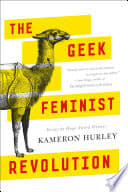
The Geek Feminist Revolution
Kameron Hurley
A collection of essays examining geek culture, science fiction, and social dynamics. The book critiques representation and power structures in gaming and speculative fiction. It offers insights into the cultural significance of games and storytelling. Hurley provides a passionate and analytical perspective on geek communities.

82%
Reality Is Broken
Jane McGonigal
An exploration of how games can solve real-world problems and improve human experience. The book argues that game design principles can be applied to enhance motivation and problem-solving. It examines the psychological benefits of gaming and interactive experiences. McGonigal presents a transformative view of games as tools for personal and social development.
No account connected — sign in to comment.