
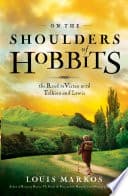
Professor and author Louis Markos helps us rediscover the virtue of great storytelling and see that fantasy worlds like Tolkien's land of hobbits and wizards have the power to transform our reality.
4.5/5
Average Rating
Informations
Genre
Religion
Published14 septembre 2012
Recommendations13
About the author
Louis Markos
Author
Louis Markos is Professor in English at Houston Christian University, where he holds the Robert H. Ray Chair in Humanities.
On the Shoulders of Hobbits
by Louis Markos
Religion
Books Like On the Shoulders of Hobbits
If you're looking for books similar to On the Shoulders of Hobbits, here are some recommendations based on themes, tone, and narrative style.
Top 1
100%
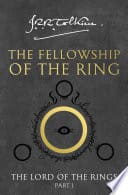
The Fellowship of the Ring
J.R.R. Tolkien
The first volume of Tolkien's epic fantasy that establishes a rich mythological world with deep moral complexity. Characters face profound choices between personal comfort and collective responsibility. The narrative explores themes of heroism, friendship, and the struggle against overwhelming darkness. Tolkien's masterful worldbuilding demonstrates how fantasy can illuminate fundamental human experiences.
Top 2
98%
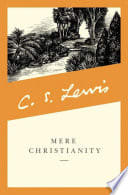
Mere Christianity
C.S. Lewis
A philosophical exploration of Christian belief using clear, accessible language. Lewis uses rational argument and imaginative explanation to discuss theological concepts. The book demonstrates how storytelling and analogy can communicate complex spiritual ideas. It invites readers to understand Christian thought through creative reasoning.
Top 3
96%
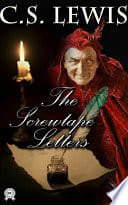
The Screwtape Letters
C.S. Lewis
A satirical novel exploring spiritual warfare through fictional correspondence between demons. Lewis uses creative narrative structure to examine human moral struggles and spiritual temptation. The book reveals complex psychological and spiritual dynamics through imaginative storytelling. It demonstrates how fantasy can illuminate deep theological concepts.
96%
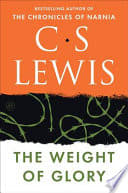
The Weight of Glory
C.S. Lewis
A collection of essays exploring spiritual and philosophical themes. Lewis uses imaginative reasoning to discuss profound theological concepts. The book reveals how narrative and analogy can communicate complex spiritual ideas. It invites readers to see familiar spiritual concepts from fresh perspectives.
94%
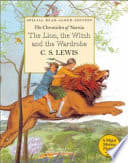
The Lion, the Witch and the Wardrobe
C.S. Lewis
A classic fantasy that explores profound moral and spiritual themes through a magical world. Children enter a realm where good and evil clash, mirroring deeper philosophical and theological concepts. Lewis uses imaginative storytelling to reveal universal truths about courage, sacrifice, and redemption. The narrative invites readers to see beyond surface-level adventures to deeper spiritual meanings.
94%
The Silmarillion
J.R.R. Tolkien
A mythological prehistory of Tolkien's fictional world, exploring themes of creation, fall, and redemption. The narrative provides deep philosophical and theological context for Middle-earth. Tolkien demonstrates how mythmaking can communicate profound spiritual and moral insights. The book reveals the power of imaginative storytelling in understanding complex existential questions.
94%
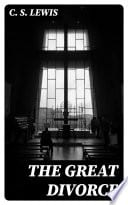
The Great Divorce
C.S. Lewis
A theological fantasy exploring spiritual choices and afterlife concepts. Lewis uses imaginative narrative to discuss complex spiritual and philosophical ideas. The book reveals how fantasy can communicate profound moral and theological insights. It challenges readers to consider deeper spiritual realities.

92%
Orthodoxy
G.K. Chesterton
A philosophical work that explores Christian thought through imaginative and paradoxical reasoning. Chesterton uses wit and creative argumentation to defend traditional Christian beliefs. The book reveals how storytelling and imagination can communicate profound spiritual insights. It challenges readers to see familiar ideas from fresh, unexpected perspectives.
92%
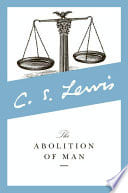
The Abolition of Man
C.S. Lewis
A philosophical work examining moral education and universal human values. Lewis explores how storytelling and imagination shape moral understanding. The book critiques modern educational approaches and defends traditional moral frameworks. It reveals the importance of narrative in communicating fundamental human truths.
90%
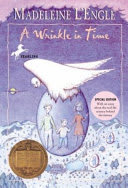
A Wrinkle in Time
Madeleine L'Engle
A science fantasy that blends spiritual and scientific themes through a young protagonist's cosmic journey. The narrative explores concepts of good versus evil, individual courage, and interconnectedness. L'Engle uses imaginative storytelling to discuss profound philosophical and spiritual ideas. The book shows how fantasy can communicate complex moral and metaphysical concepts.
90%
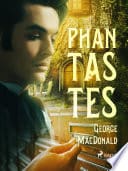
Phantastes
George MacDonald
A fantasy novel exploring spiritual transformation through symbolic journey. MacDonald uses imaginative storytelling to reveal profound spiritual and psychological insights. The narrative demonstrates how fantasy can communicate complex moral and metaphysical concepts. It explores themes of personal growth and spiritual awakening.
88%
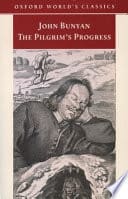
The Pilgrim's Progress
John Bunyan
An allegorical novel depicting a spiritual journey through metaphorical landscapes and challenges. Bunyan uses imaginative storytelling to explore Christian spiritual growth and moral development. The narrative reveals how storytelling can communicate complex theological concepts. It demonstrates the power of narrative to illuminate spiritual truths.
86%
The Way of the Pilgrim
Anonymous
A spiritual autobiography exploring inner transformation through prayer and contemplation. The narrative reveals how personal journey can communicate universal spiritual truths. The book demonstrates the power of storytelling in spiritual understanding. It explores themes of personal growth and spiritual discipline.
No account connected — sign in to comment.