
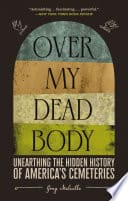
Journalist Greg Melville’s Over My Dead Body is an “astonishing . . . fascinating . . . powerful” (New York Times Book Review) tour through the history of US cemeteries that explores how, where, and why we bury our dead. “You hold in your hands a treasure map, a gentle, sly, and poignant presence leading us to places in America and in our lives that have been hiding in plain sight. This tale is about cemeteries, but it’s really about how beautiful is life.” —#1 New York Times bestselling author Doug Stanton The summer before his senior year in college, Greg Melville worked at the cemetery in his hometown, and thanks to hour upon hour of pushing a mower over the grassy acres, he came to realize what a rich story the place told of his town and its history. Thus was born Melville’s lifelong curiosity with how, where, and why we bury and commemorate our dead. Melville’s Over My Dead Body is a lively (pun intended) and wide-ranging history of cemeteries, places that have mirrored the passing eras in history but also have shaped it. Cemeteries have given birth to landscape architecture and famous parks, as well as influenced architectural styles. They’ve inspired and motivated some of our greatest poets and authors—Emerson, Whitman, Dickinson. They’ve been used as political tools to shift the country’s discourse and as important symbols of the United States’ ambition and reach. But they are changing and fading. Embalming and burial is incredibly toxic, and while cremations have just recently surpassed burials in popularity, they’re not great for the environment either. Over My Dead Body explores everything about cemeteries—history, sustainability, land use, and more—and what it really means to memorialize. Includes Black-and-White Photographs Locales visited in Over My Dead Body Shawsheen Cemetery – Bedford, Massachusetts; the 1607 burial ground – Historic Jamestowne, Virginia; Burial Hill – Plymouth, Massachusetts; Colonial Jewish Burial Ground – Newport, Rhode Island; Monticello’s African American graveyard – Charlottesville, Virginia; Mount Auburn Cemetery – Cambridge, Massachusetts; Green-Wood Cemetery – Brooklyn, New York; Laurel Grove Cemetery – Savannah, Georgia; Sleepy Hollow Cemetery – Concord, Massachusetts; Central Park – New York, New York; Gettysburg National Cemetery – Gettysburg, Pennsylvania; Arlington National Cemetery – Arlington, Virginia; Woodlawn Cemetery – Bronx, New York; Boothill Graveyard – Tombstone, Arizona; Forest Lawn – Glenwood, California; the Chapel of the Chimes – Oakland, California; Hollywood Forever Cemetery – Los Angeles, California; West Laurel Hill’s Nature’s Sanctuary – Philadelphia, Pennsylvania
Average Rating
Informations
About the author
Greg Melville
Author
Greg Melville is a journalist and author. He graduated from Kenyon College in 1992 and Pennsylvania State University Graduate School of Communication in 1994.
Over My Dead Body
by Greg Melville
Books Like Over My Dead Body
If you're looking for books similar to Over My Dead Body, here are some recommendations based on themes, tone, and narrative style.
Stiff: The Curious Lives of Human Cadavers
Mary Roach
A witty and engaging exploration of what happens to human bodies after death. Roach investigates the scientific and cultural uses of cadavers with humor and compassion. The book examines medical research, forensics, and the unique ways human remains contribute to scientific understanding. Like Melville's work, it offers a fascinating look at death and human practices surrounding mortality.
Smoke Gets in Your Eyes
Caitlin Doughty
A mortician's memoir that explores death, cremation, and funeral practices with dark humor and insight. Doughty provides a behind-the-scenes look at the funeral industry and cultural attitudes toward mortality. The book challenges traditional views of death and burial, similar to Melville's exploration of cemetery history. It offers a personal and philosophical perspective on how we handle human remains.
The Cemetery Book
Keith Eggener
A comprehensive exploration of cemetery design and cultural significance. Eggener traces the historical development of cemetery landscapes and their architectural importance. The book examines how cemeteries reflect social and cultural changes. Like Melville's work, it offers a deep dive into the historical and cultural significance of burial grounds.
Final Gifts
Maggie Callanan
A compassionate exploration of death and dying from hospice nurses' perspectives. The book offers insights into the emotional and spiritual aspects of mortality. Callanan provides a deeply human approach to understanding death and remembrance. It complements Melville's work by exploring the personal dimensions of mortality.
The American Way of Death
Jessica Mitford
A groundbreaking investigation into the funeral industry in America. Mitford exposes the commercial practices and emotional manipulation surrounding death and burial. The book critiques the economic and cultural aspects of how Americans memorialize their dead. It shares Melville's critical approach to understanding burial practices and societal attitudes toward death.
The Undertaking
Thomas Lynch
A poetic and philosophical examination of death and funeral practices by a working undertaker. Lynch explores the cultural and personal meanings of death and burial. The book combines professional insight with deeply personal reflections on mortality. It shares Melville's approach of using personal experience to explore broader cultural practices surrounding death.
Grave Matters
Mark Harris
An investigation into alternative burial practices and their environmental impact. Harris explores green burial methods and their potential to reduce ecological harm. The book challenges traditional funeral practices and offers innovative approaches to memorialization. It closely aligns with Melville's exploration of cemetery practices and sustainability.
Death's Acre
Bill Bass
A forensic anthropologist's account of scientific research using human remains. Bass explores the ways forensic science uses human bodies to solve crimes and understand human biology. The book provides a scientific perspective on death and human remains. It shares Melville's approach of using personal experience to explore broader themes of mortality.
The Good Funeral
Thomas Long
A theological and cultural examination of funeral practices and their meaning. Long explores how funerals help communities process grief and remember the dead. The book offers a philosophical perspective on memorialization and mourning. It shares Melville's interest in the deeper cultural significance of how we commemorate human life.
Rest in Pieces
Bess Lovejoy
An intriguing exploration of what happens to famous people's remains after death. The book traces the bizarre journeys of historical figures' bodies and body parts. Lovejoy investigates the cultural and historical significance of human remains with wit and scholarly detail. Like Melville's work, it offers a unique perspective on how societies remember and memorialize the dead.
The Last Place on Earth
Carol Snow
A scientific and cultural exploration of human burial practices and environmental concerns. The book examines sustainable alternatives to traditional burial methods. Snow investigates the ecological impact of current death practices and potential future solutions. It shares Melville's interest in the environmental and cultural aspects of how we handle human remains.
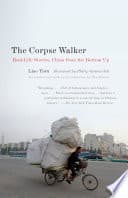
The Corpse Walker
Liao Yiwu
A collection of interviews exploring unique cultural practices surrounding death in China. Yiwu presents personal stories that reveal complex attitudes toward mortality and remembrance. The book offers a cross-cultural perspective on death and burial practices. It shares Melville's interest in the cultural significance of how societies handle human remains.
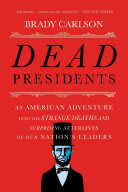
Dead Presidents
Brady Carlson
An exploration of presidential burial sites and their historical significance. Carlson examines how presidential memorials reflect American history and cultural values. The book traces the stories behind presidential tombs and monuments. Like Melville's work, it uses physical sites of remembrance to tell a broader historical narrative.
No account connected — sign in to comment.