
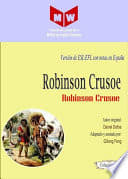
Robinson Crusoe is the story of a merchant's travels, adventues, and eventual shipwreck.The novel details the way in which one man may survive alone with nothing but his own abilities, and knowledge to support him.
4.5/5
Average Rating
Informations
Genre
Fiction
Published01 mars 2006
Recommendations10
About the author
Daniel Defoe
Author
Daniel Defoe was an English writer, merchant and spy. He is most famous for his novel Robinson Crusoe, published in 1719, which is claimed to be second only to the Bible in its number of translations. He has been seen as one of the earliest proponents of the English novel, and helped to popularise the form in Britain with others such as Aphra Behn and Samuel Richardson. Defoe wrote many political tracts, was often in trouble with the authorities, and spent a period in prison. Intellectuals and political leaders paid attention to his fresh ideas and sometimes consulted him.
Robinson Crusoe
by Daniel Defoe
Fiction
Books Like Robinson Crusoe
If you're looking for books similar to Robinson Crusoe, here are some recommendations based on themes, tone, and narrative style.
Top 1

92%
The Martian
Andy Weir
A modern survival story about an astronaut stranded alone on Mars, using scientific knowledge and problem-solving skills to stay alive. The protagonist must create food, maintain equipment, and find ways to communicate with Earth. The narrative emphasizes human ingenuity, resourcefulness, and determination in extreme isolation. Similar to Robinson Crusoe, it showcases individual survival against overwhelming odds.
Top 2
90%
Life of Pi
Yann Martel
A profound story of survival featuring a young man stranded on a lifeboat with a Bengal tiger after a shipwreck. Pi must use his wit, resourcefulness, and adaptability to survive in an isolated, dangerous environment. The novel explores themes of human endurance, spiritual resilience, and the power of storytelling. Like Robinson Crusoe, it examines how individuals can overcome seemingly insurmountable challenges.
Top 3
88%
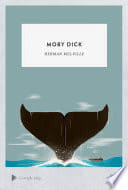
Moby-Dick
Herman Melville
An epic maritime adventure exploring human determination and the struggle against nature's overwhelming forces. The novel follows Captain Ahab's obsessive quest to hunt a massive white whale, revealing complex themes of survival, isolation, and human resilience. The narrative provides deep psychological insights into characters facing extreme challenges. Its rich exploration of maritime life and individual struggle echoes Robinson Crusoe's themes.
88%
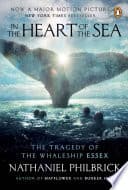
In the Heart of the Sea
Nathaniel Philbrick
A non-fiction account of a whaling ship's destruction by a sperm whale, inspiring Herman Melville's Moby-Dick. The narrative details the crew's struggle for survival, exploring themes of maritime endurance and human resilience. Survivors face extreme conditions, demonstrating remarkable adaptability and willpower. Similar to Robinson Crusoe, it reveals the human capacity to overcome seemingly impossible challenges.
86%
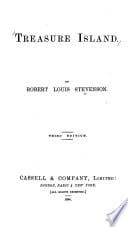
Treasure Island
Robert Louis Stevenson
A classic adventure novel about a young boy's journey on a pirate ship searching for buried treasure. The story follows Jim Hawkins as he navigates dangerous seas and encounters memorable characters like Long John Silver. It explores themes of survival, resourcefulness, and personal growth in a challenging maritime environment. The narrative captures the spirit of exploration and individual resilience similar to Robinson Crusoe.
86%
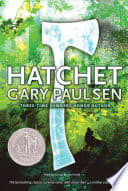
Hatchet
Gary Paulsen
A young adult novel about a teenage boy surviving alone in the Canadian wilderness after a plane crash. Using only a hatchet, he must find food, build shelter, and overcome numerous challenges. The story emphasizes survival skills, personal growth, and human adaptability. Like Robinson Crusoe, it explores how individuals can survive and thrive in isolated, hostile environments.
84%
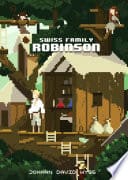
The Swiss Family Robinson
Johann David Wyss
A tale of a family shipwrecked on a tropical island who must use their skills and ingenuity to survive in an unfamiliar environment. Each family member contributes unique abilities to build shelter, find food, and create a new life. The story emphasizes human adaptability, problem-solving, and family cooperation in extreme circumstances. Like Robinson Crusoe, it demonstrates the triumph of human spirit over adversity.
84%
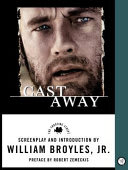
Cast Away
William Broyles Jr.
A screenplay about a FedEx employee stranded on a remote island after a plane crash. The protagonist must learn survival skills, overcome isolation, and maintain hope while separated from civilization. The narrative explores human adaptability, psychological resilience, and the fundamental human will to survive. Similar to Robinson Crusoe, it demonstrates how individuals can endure extreme challenges.
82%
Lord of the Flies
William Golding
A novel about a group of boys stranded on an uninhabited island, exploring human nature and survival dynamics. Without adult supervision, the boys must establish social structures and find ways to survive. The story reveals the potential for both cooperation and conflict in extreme circumstances. Like Robinson Crusoe, it examines human behavior and adaptability in isolated environments.
80%
Into the Wild
Jon Krakauer
A non-fiction account of Christopher McCandless, who abandoned civilization to live independently in the Alaskan wilderness. The book explores themes of individual freedom, survival, and the human desire to escape societal constraints. McCandless's journey reflects a modern interpretation of the survival narrative found in Robinson Crusoe. It examines the psychological motivations behind seeking extreme isolation and self-reliance.
No account connected — sign in to comment.