
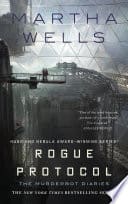
Rogue Protocol is the third entry in Martha Wells's Hugo, Nebula, Alex, and Locus Award-winning, New York Times and USA Today bestselling series, The Murderbot Diaries. Starring a human-like android who keeps getting sucked back into adventure after adventure, though it just wants to be left alone, away from humanity and small talk. Who knew being a heartless killing machine would present so many moral dilemmas? Sci-fi’s favorite antisocial A.I. is back on a mission. The case against the too-big-to-fail GrayCris Corporation is floundering, and more importantly, authorities are beginning to ask more questions about where Dr. Mensah's SecUnit is. And Murderbot would rather those questions went away. For good. "I love Murderbot!"--New York Times bestselling author Ann Leckie The Murderbot Diaries All Systems Red Artificial Condition Rogue Protocol Exit Strategy Network Effect Fugitive Telemetry System Collapse At the Publisher's request, this title is being sold without Digital Rights Management Software (DRM) applied.
Average Rating
Informations
About the author
Martha Wells
Author
Martha Wells is an American writer of speculative fiction. She has published a number of science fiction and fantasy novels, young adult novels, media tie-ins, short stories, and nonfiction essays on SF/F subjects; her novels have been translated into twelve languages. Wells is praised for the complex, realistically detailed societies she creates; this is often credited to her academic background in anthropology.
Rogue Protocol
by Martha Wells
Books Like Rogue Protocol
If you're looking for books similar to Rogue Protocol, here are some recommendations based on themes, tone, and narrative style.
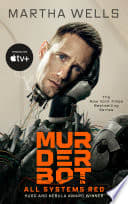
All Systems Red
Martha Wells
The first book in the Murderbot Diaries series that introduces the antisocial, sarcastic SecUnit who just wants to watch media and be left alone. A groundbreaking sci-fi novella featuring an AI protagonist struggling with autonomy and human interactions. The SecUnit is hired to protect a scientific research team but becomes unexpectedly involved in their survival. Explores themes of artificial intelligence, free will, and unexpected heroism.
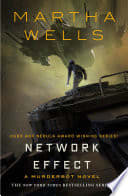
Network Effect
Martha Wells
The fifth book in the Murderbot Diaries series, expanding the protagonist's universe. Murderbot faces increasingly complex challenges while maintaining its sardonic perspective and reluctant heroism. Continues to explore themes of artificial intelligence, personal autonomy, and unexpected emotional growth. Deepens the narrative complexity and character development of the series.
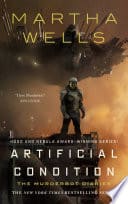
Artificial Condition
Martha Wells
The second book in the Murderbot Diaries series, continuing the adventures of the antisocial SecUnit. Murderbot investigates its own past and origin while navigating complex interactions with humans and other AIs. Expands on the themes of autonomy, identity, and unexpected emotional connections. A direct continuation of the narrative style and character development from the first book.
Do Androids Dream of Electric Sheep?
Philip K. Dick
A seminal science fiction novel exploring the boundaries between human and artificial intelligence. Set in a post-apocalyptic world where androids are nearly indistinguishable from humans, the story follows a bounty hunter tracking rogue androids. Deeply examines questions of empathy, consciousness, and what defines humanity. A philosophical exploration of artificial intelligence that resonates with Murderbot's existential struggles.
Exit Strategy
Martha Wells
The fourth book in the Murderbot Diaries series, continuing the protagonist's complex journey. Murderbot confronts its past and future while navigating intricate human relationships and corporate intrigue. Builds on the themes of autonomy, identity, and unexpected emotional connections. A direct continuation of the narrative style and character development from previous books.
I, Robot
Isaac Asimov
A classic science fiction work exploring the complex relationships between humans and artificial intelligence. The book presents a series of interconnected stories about robots and their interactions with humans, challenging perceptions of machine consciousness. Asimov introduces the famous Three Laws of Robotics, which govern robotic behavior and ethical decision-making. A foundational text in AI literature that examines the moral and philosophical implications of sentient machines.
The Lifecycle of Software Objects
Ted Chiang
A novella exploring the development of artificial intelligences and their relationship with humans. Follows the creation and evolution of digital entities over multiple years, examining their growing consciousness and emotional complexity. Provides a nuanced look at AI development and the ethical considerations of creating sentient beings. Offers a thoughtful exploration of artificial intelligence similar to Murderbot's journey.
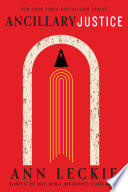
Ancillary Justice
Ann Leckie
A groundbreaking space opera about an AI that was once a massive starship with multiple human bodies. The protagonist navigates complex political landscapes while grappling with identity and consciousness. Explores themes of gender, individuality, and the nature of sentience. Shares similar narrative complexity and AI-centered perspective with the Murderbot series.

The Long Way to a Small, Angry Planet
Becky Chambers
A character-driven space opera featuring a diverse crew on an interstellar journey. The novel explores themes of found family, artificial intelligence, and personal growth in a richly detailed science fiction universe. Focuses on relationships and individual experiences rather than traditional action-driven narratives. Shares Murderbot's sardonic tone and exploration of AI consciousness and emotional complexity.
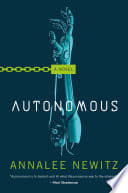
Autonomous
Annalee Newitz
A near-future science fiction novel exploring the ethics of artificial intelligence and corporate control. Follows an anti-patent pharmaceutical pirate and a self-aware robot as they navigate a complex world of technological and moral challenges. Examines themes of autonomy, free will, and the blurred lines between human and machine consciousness. Shares similar narrative complexity and AI-centered perspective.
No account connected — sign in to comment.