
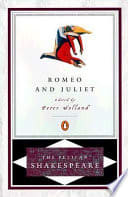
Romeo and Juliet (1597) is a tragedy by William Shakespeare. Inspired by an Italian tale adapted for an English audience in 1562 by Arthur Brooke and in 1567 by William Painter, Shakespeare wrote Romeo and Juliet sometime between 1591 and 1595. Alongside Hamlet, it is one of Shakespeare’s most performed plays and has served as source material for countless film and television adaptations. “Two households, both alike in dignity, / In fair Verona, where we lay our scene, / From ancient grudge break to new mutiny, / Where civil blood makes civil hands unclean.” For his wit and wordplay alone, William Shakespeare is often considered the greatest writer to ever work in the English language. Where he truly triumphs, however, is in his ability to portray complex human emotions, how these emotions contribute to relationships, and how these relationships interact with politics, culture, and religion. In Romeo and Juliet, a “pair of star-cross’d lovers” risk their lives for one another. Because Romeo is a Montague, he cannot love Juliet, a Capulet, the sworn enemies of his family and their major rival in the city of Verona. As is often the case, their hearts refuse the limits of history, leading them to their tragic, unforgettable end. With a beautifully designed cover and professionally typeset manuscript, this edition of William Shakespeare’s Romeo and Juliet is a classic of English literature reimagined for modern readers.
Average Rating
Informations
About the author
William Shakespeare
Author
William Shakespeare was an English playwright, poet and actor. He is widely regarded as the greatest writer in the English language and the world's pre-eminent dramatist. He is often called England's national poet and the "Bard of Avon" or simply "the Bard". His extant works, including collaborations, consist of some 39 plays, 154 sonnets, three long narrative poems and a few other verses, some of uncertain authorship. His plays have been translated into every major living language and are performed more often than those of any other playwright. Shakespeare remains arguably the most influential writer in the English language, and his works continue to be studied and reinterpreted.
Romeo and Juliet
by William Shakespeare
Books Like Romeo and Juliet
If you're looking for books similar to Romeo and Juliet, here are some recommendations based on themes, tone, and narrative style.
Anna Karenina
Leo Tolstoy
A profound exploration of love, marriage, and social expectations in 19th-century Russia. Anna Karenina defies social conventions by pursuing a passionate affair, much like Romeo and Juliet challenge familial expectations. The novel delves deep into the emotional complexities of forbidden love and its devastating consequences. Tolstoy masterfully portrays the conflict between personal desire and societal constraints.
Jane Eyre
Charlotte Bronte
A novel about a passionate love that challenges social and economic barriers. Jane and Rochester's relationship develops despite significant obstacles, similar to Romeo and Juliet's struggle. Their love is marked by intense emotional connection and societal challenges. The narrative explores themes of individual agency, passion, and the conflict between personal desire and social expectations.
Pride and Prejudice
Jane Austen
A novel about love overcoming social prejudice and personal misunderstandings. Elizabeth and Darcy's relationship develops through emotional complexity, similar to Romeo and Juliet's passionate connection. The narrative explores themes of social expectations, personal growth, and the transformative power of love. Austen masterfully depicts the tension between individual desire and societal norms.
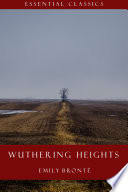
Wuthering Heights
Emily Bronte
A passionate and tumultuous love story set in the Yorkshire moors. The novel follows the intense relationship between Catherine and Heathcliff, whose love is thwarted by social class and family dynamics. Similar to Romeo and Juliet, their love is passionate, destructive, and ultimately tragic. The narrative explores themes of forbidden love, social constraints, and the power of emotional connection.
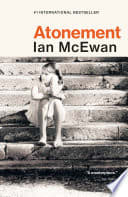
Atonement
Ian McEwan
A novel about a love torn apart by a misunderstanding and social prejudice. Robbie and Cecilia's relationship is disrupted by a false accusation, echoing the tragic separation of Romeo and Juliet. The story explores how social perceptions and individual actions can dramatically alter romantic relationships. McEwan masterfully depicts the pain of forbidden and interrupted love.
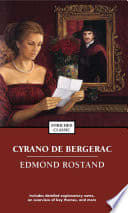
Cyrano de Bergerac
Edmond Rostand
A play about unrequited love and passionate emotional connection. Cyrano's intense love for Roxane, complicated by his perceived physical limitations, shares thematic similarities with Romeo and Juliet. The narrative explores deep emotional vulnerability, passionate love, and societal barriers. Rostand masterfully depicts the complexity of romantic relationships.
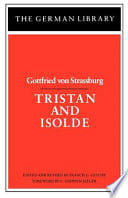
Tristan and Isolde
Gottfried von Strassburg
A medieval romance about forbidden love between a knight and an Irish princess. Like Romeo and Juliet, this story explores passionate love that defies social boundaries and family expectations. The lovers are drawn together by an overwhelming emotional connection that transcends societal constraints. Their relationship is marked by intense passion and tragic circumstances that ultimately lead to their destruction.
The Great Gatsby
F. Scott Fitzgerald
A tragic love story set in the decadent 1920s American society. Jay Gatsby's passionate pursuit of Daisy Buchanan mirrors the intense love of Romeo and Juliet. Their relationship is complicated by social class, existing relationships, and societal expectations. The novel explores themes of unrequited love, social barriers, and the destructive nature of passionate obsession.

The Age of Innocence
Edith Wharton
A novel about forbidden love in high-society New York. Newland Archer and Ellen Olenska's relationship is constrained by social conventions, much like Romeo and Juliet's love. Their passionate connection is continually thwarted by familial and societal expectations. Wharton explores the tension between individual desire and social conformity.
Orpheus and Eurydice
Virgil
A classical myth about a love so powerful it challenges the boundaries of life and death. Orpheus's passionate quest to rescue Eurydice from the underworld echoes the intense emotional connection of Romeo and Juliet. The narrative explores themes of love's transformative power, sacrifice, and the ultimate tragedy of human passion. A timeless story of romantic devotion.

The Scarlet Letter
Nathaniel Hawthorne
A novel about forbidden love and social judgment in Puritan New England. The story centers on Hester Prynne, who bears a child from an illicit affair and faces severe social condemnation. Like Romeo and Juliet, the narrative explores the tension between individual passion and societal expectations. The characters struggle against rigid social norms that seek to control personal relationships.
Madame Bovary
Gustave Flaubert
A novel about a woman seeking passionate love outside her marriage. Emma Bovary's romantic pursuits mirror the intense emotional landscape of Romeo and Juliet. Her story explores the conflict between romantic ideals and social reality. Flaubert masterfully depicts the destructive potential of uncontrolled passion and societal constraints.
The Notebook
Nicholas Sparks
A contemporary romance about love that transcends social and economic barriers. Noah and Allie's relationship mirrors Romeo and Juliet's passionate connection. Their love is challenged by family opposition and social expectations. Sparks explores themes of enduring love, emotional intensity, and the power of personal connection.
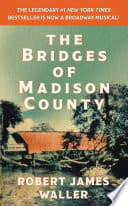
The Bridges of Madison County
Robert James Waller
A contemporary love story about a passionate but impossible romance. Francesca and Robert's brief, intense relationship echoes the passionate connection of Romeo and Juliet. Their love is constrained by family obligations and societal expectations. The novel explores themes of forbidden love, emotional intensity, and the pain of unfulfilled desire.
No account connected — sign in to comment.