
Thomas Wayne presents a fresh new translation of this classic that is a particular favorite of young adults confronting life's deepest questions and equally liberating for readers facing a mid-life crisis. Basil Creighton's 1929 version (revised in 1963 by Joseph Mileck) is the best-known version in English; it skips words, smoothes out long, involved passages, unnecessarily "improves" the text ndash; all things Thomas Wayne refuses to do. As with his already published translations of Nietzsche's Thus Spake Zarathustra, Ecce Homo, and The Antichrist, he emphasizes a strict adherence and reverence for the literal ndash; a Hesse for the 21st century, meaningful and faithful to the original.

4.5/5
Average Rating
Informations
Genre
Fiction
Published01 janvier 2010
Recommendations14
About the author
Hermann Hesse
Author
Hermann Karl Hesse was a German-Swiss poet and novelist, and the 1946 Nobel Prize in Literature laureate. His interest in Eastern religious, spiritual, and philosophical traditions, combined with his involvement with Jungian analysis, helped to shape his literary work. His best-known novels include Demian, Steppenwolf, Siddhartha, Narcissus and Goldmund, and The Glass Bead Game, each of which explores an individual's search for authenticity, self-knowledge, and spirituality.
Steppenwolf
by Hermann Hesse
Fiction
Books Like Steppenwolf
If you're looking for books similar to Steppenwolf, here are some recommendations based on themes, tone, and narrative style.
Top 1
94%
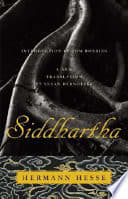
Siddhartha
Hermann Hesse
Another profound philosophical novel by Hesse exploring spiritual self-discovery and personal transformation. The story follows a young man's journey of enlightenment through various life experiences and spiritual practices. Like Steppenwolf, it delves deep into existential questions of identity, meaning, and individual consciousness. The protagonist seeks understanding beyond societal conventions and traditional paths. It offers a similar introspective exploration of the human psyche and inner conflict.
Top 2

92%
Demian
Hermann Hesse
A novel about spiritual awakening and individual self-discovery, closely related to Steppenwolf's themes. The protagonist undergoes a transformative journey of understanding his inner self and breaking free from societal constraints. Hesse explores psychological complexity, personal growth, and the search for authentic identity. The book delves into mystical and philosophical concepts of self-realization. Like Steppenwolf, it emphasizes the individual's struggle against conformity and inner division.
Top 3

92%
Crime and Punishment
Fyodor Dostoevsky
A profound psychological novel exploring moral complexity and individual consciousness. The protagonist grapples with philosophical and ethical dilemmas, experiencing intense inner turmoil. Dostoevsky provides a deep exploration of human psychology, guilt, and redemption. Like Steppenwolf, the novel delves into the protagonist's complex inner world and struggle against societal expectations. It offers a nuanced examination of individual moral choices and psychological transformation.

92%
Beyond Good and Evil
Friedrich Nietzsche
A philosophical work challenging traditional moral frameworks. Nietzsche explores individual consciousness and the limitations of conventional thinking. The text offers a radical reexamination of human potential and psychological complexity. Like Steppenwolf, it delves into the depths of individual experience. Nietzsche provides a provocative exploration of human nature and philosophical understanding.

90%
The Stranger
Albert Camus
An existentialist novel examining alienation, absurdity, and individual perception of reality. The protagonist struggles with societal expectations and personal detachment, mirroring Steppenwolf's themes of inner fragmentation. The book explores philosophical questions about human existence and the meaning of life through a deeply introspective narrative. Camus presents a character who feels disconnected from conventional social structures. The novel challenges readers to confront existential dilemmas and personal authenticity.

90%
Thus Spoke Zarathustra
Friedrich Nietzsche
A philosophical work exploring individual transformation and transcendence. Nietzsche presents a profound examination of human potential and the concept of the 'Übermensch'. The text challenges traditional moral and philosophical conventions, similar to Steppenwolf's approach. It offers a radical reexamination of individual consciousness and personal growth. The work shares a deep commitment to exploring human psychological complexity.

90%
The Myth of Sisyphus
Albert Camus
A philosophical essay exploring existential meaning and human resilience. Camus examines the human condition through the metaphor of endless, seemingly meaningless labor. The work challenges readers to find purpose in an absurd universe. Like Steppenwolf, it offers a profound exploration of individual consciousness. Camus provides a powerful meditation on human potential and psychological complexity.
90%
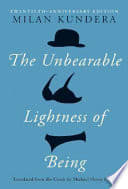
The Unbearable Lightness of Being
Milan Kundera
A philosophical novel exploring personal freedom and existential complexity. Kundera examines individual choices, relationships, and psychological depth. The narrative provides a nuanced exploration of human experience under political and personal constraints. Like Steppenwolf, it delves into individual consciousness and personal transformation. The book offers a profound meditation on identity and human potential.

88%
Notes from Underground
Fyodor Dostoevsky
A groundbreaking exploration of psychological complexity and individual alienation. The narrator presents a deeply introspective and often contradictory account of his inner life, challenging societal norms. The novel examines themes of isolation, self-consciousness, and the human tendency to resist rational behavior. Like Steppenwolf, it offers a profound psychological study of an individual's inner conflicts. Dostoevsky presents a raw, unfiltered examination of human nature and existential angst.

88%
The Trial
Franz Kafka
A surreal exploration of bureaucratic absurdity and individual powerlessness. The protagonist faces an incomprehensible legal process that symbolizes broader existential challenges. Kafka presents a nightmarish narrative about personal alienation and systemic oppression. The novel shares Steppenwolf's themes of individual struggle against impersonal social structures. It offers a profound meditation on identity, meaning, and human vulnerability.
88%
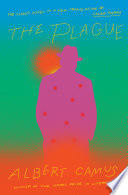
The Plague
Albert Camus
An existentialist novel exploring human resilience and collective experience. Camus examines individual responses to collective suffering and moral challenges. The narrative provides a profound meditation on human solidarity and personal meaning. Like Steppenwolf, it delves into psychological complexity and individual transformation. The book offers a nuanced exploration of human nature under extreme conditions.

86%
The Metamorphosis
Franz Kafka
A surreal exploration of alienation, identity, and personal transformation. The protagonist experiences a bizarre physical metamorphosis that symbolizes deeper psychological and social disconnection. Kafka presents a haunting narrative about individual isolation and the struggle against dehumanizing social structures. The story resonates with Steppenwolf's themes of inner fragmentation and societal estrangement. It offers a powerful metaphorical examination of personal identity and existential crisis.

86%
The Castle
Franz Kafka
A surreal exploration of bureaucratic complexity and individual alienation. The protagonist struggles against an incomprehensible administrative system, symbolizing broader existential challenges. Kafka presents a profound examination of individual powerlessness and systemic opacity. The novel shares Steppenwolf's themes of psychological complexity and social disconnection. It offers a haunting meditation on human experience.
86%
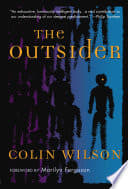
The Outsider
Colin Wilson
A philosophical exploration of individual alienation and creative potential. Wilson examines the psychological experience of individuals who feel disconnected from mainstream society. The book shares Steppenwolf's themes of inner complexity and personal transformation. It offers a profound meditation on creativity, consciousness, and individual experience. Wilson provides insights into the psychological challenges of sensitive, introspective individuals.
No account connected — sign in to comment.