
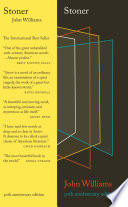
Discover an American masterpiece. This unassuming story about the life of a quiet English professor has earned the admiration of readers all over the globe. William Stoner is born at the end of the nineteenth century into a dirt-poor Missouri farming family. Sent to the state university to study agronomy, he instead falls in love with English literature and embraces a scholar’s life, so different from the hardscrabble existence he has known. And yet as the years pass, Stoner encounters a succession of disappointments: marriage into a “proper” family estranges him from his parents; his career is stymied; his wife and daughter turn coldly away from him; a transforming experience of new love ends under threat of scandal. Driven ever deeper within himself, Stoner rediscovers the stoic silence of his forebears and confronts an essential solitude. John Williams’s luminous and deeply moving novel is a work of quiet perfection. William Stoner emerges from it not only as an archetypal American, but as an unlikely existential hero, standing, like a figure in a painting by Edward Hopper, in stark relief against an unforgiving world.
Average Rating
Informations
About the author
John Williams
Author
John Towner Williams is an American composer and conductor. Over his seven-decade career, he has composed many of the best known scores in film history. His compositional style blends romanticism, impressionism, and atonal music with complex orchestration. Best known for his collaborations with George Lucas and Steven Spielberg, he has received numerous accolades, including 26 Grammy Awards, five Academy Awards, seven BAFTA Awards, three Emmy Awards, and four Golden Globe Awards. With a total of 54 Academy Award nominations, he is the second-most nominated person in the award's history, after Walt Disney. He is also the oldest Academy Award nominee in any category, receiving a nomination at 91 years old.
Stoner
by John Williams
Books Like Stoner
If you're looking for books similar to Stoner, here are some recommendations based on themes, tone, and narrative style.
Mrs. Dalloway
Virginia Woolf
A landmark modernist novel exploring inner consciousness and the depth of seemingly ordinary lives. Like Stoner, it offers a profound psychological portrait of a character's interior world. Woolf's stream of consciousness technique reveals the rich emotional landscape beneath surface experiences. The novel celebrates the complexity of human perception and feeling.
Gilead
Marilynne Robinson
A deeply introspective novel about a small-town pastor reflecting on his life and family history. Like Stoner, it offers a meditative exploration of a quiet, thoughtful life. The narrative is rich with philosophical insights and a profound sense of human dignity. Robinson's prose captures the beauty of ordinary existence with remarkable sensitivity.
The Remains of the Day
Kazuo Ishiguro
A subtle exploration of a life dedicated to professional duty and unexpressed emotions. Similar to Stoner, it examines the interior world of a reserved protagonist. The novel reveals the quiet heroism of a life lived with integrity and restraint. Ishiguro masterfully captures the nuanced emotional landscape of a seemingly unremarkable life.
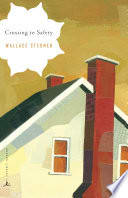
Crossing to Safety
Wallace Stegner
A profound exploration of friendship, marriage, and academic life. Like Stoner, this novel delves into the quiet, introspective world of university professors. It follows two couples through decades of personal and professional challenges, revealing the depth of human relationships and personal resilience. Stegner's prose is similarly contemplative and nuanced, offering a deeply moving portrait of ordinary lives.

Plainsong
Kent Haruf
A quiet, powerful novel about rural life and human connection. Like Stoner, it offers a compassionate portrayal of ordinary people facing life's challenges. The narrative explores themes of solitude, community, and personal resilience. Haruf's prose is spare and deeply moving, revealing profound emotional depths.
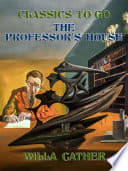
The Professor's House
Willa Cather
A contemplative novel about an academic grappling with midlife disillusionment. The protagonist experiences a sense of alienation and inner struggle similar to William Stoner. Cather explores themes of personal identity, academic life, and the quiet desperation of intellectual pursuit. The novel offers a profound meditation on meaning and solitude in an unforgiving world.
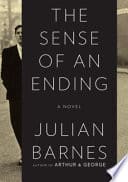
The Sense of an Ending
Julian Barnes
A reflective novel about memory, regret, and the retrospective understanding of one's life. Similar to Stoner, it explores how personal choices and missed opportunities shape a lifetime. The protagonist confronts his past with a mixture of melancholy and insight. Barnes crafts a nuanced meditation on the nature of memory and self-understanding.
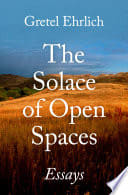
The Solace of Open Spaces
Gretel Ehrlich
A meditative exploration of landscape, solitude, and personal resilience. While a non-fiction work, it shares Stoner's contemplative spirit and examination of quiet heroism. Ehrlich's writing reveals the profound beauty of seemingly ordinary experiences. The book offers a deep meditation on human endurance and connection to place.
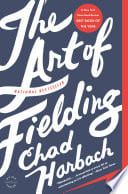
The Art of Fielding
Chad Harbach
A novel set in an academic environment that explores personal passion and unexpected life trajectories. The protagonist's journey of self-discovery echoes Stoner's own unexpected path. It examines the intersection of personal ambition, institutional expectations, and individual fulfillment. The novel captures the complexity of pursuing one's true calling.
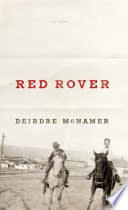
Crossing
Deirdre McNamer
A contemplative novel about personal transformation and the weight of unspoken histories. Like Stoner, it explores the interior life of a character navigating personal and professional challenges. The narrative offers a nuanced portrait of individual resilience. McNamer's prose captures the complexity of human experience with remarkable sensitivity.
No account connected — sign in to comment.