
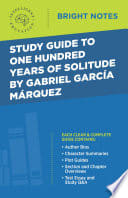
A comprehensive study guide offering in-depth explanation, essay, and test prep for by Gabriel García Márquez’s One Hundred Years of Solitude, considered a classic due to its effective use of magical realism and winner of The Rómulo Gallegos International Novel Prize. As a novel of the mid-twentieth century, One Hundred Years of Solitude is a work of magical realism, which proved to be a bold statement during that time period, as it allowed for Marquez to bend time and reality. Moreover, One Hundred Years of Solitude is a fine example to show the birth of creative writing without limits. This Bright Notes Study Guide explores the context and history of Márquez’s classic work, helping students to thoroughly explore the reasons it has stood the literary test of time. Each Bright Notes Study Guide contains: - Introductions to the Author and the Work - Character Summaries - Plot Guides - Section and Chapter Overviews - Test Essay and Study Q&As The Bright Notes Study Guide series offers an in-depth tour of more than 275 classic works of literature, exploring characters, critical commentary, historical background, plots, and themes. This set of study guides encourages readers to dig deeper in their understanding by including essay questions and answers as well as topics for further research.
Average Rating
Informations
About the author
Intelligent Education
Author
scholarly article published in 2018
Study Guide to One Hundred Years of Solitude by Gabriel Garcia Marquez
by Intelligent Education
Books Like Study Guide to One Hundred Years of Solitude by Gabriel Garcia Marquez
If you're looking for books similar to Study Guide to One Hundred Years of Solitude by Gabriel Garcia Marquez, here are some recommendations based on themes, tone, and narrative style.
One Hundred Years of Solitude
Gabriel Garcia Marquez
A landmark novel of magical realism that follows the multi-generational story of the Buendía family in the fictional town of Macondo. The book blends historical events with fantastical elements, exploring themes of time, memory, and cyclical nature of human experience. It chronicles the rise and fall of a family and a town through generations of complex characters. The novel is renowned for its innovative narrative style and profound exploration of Latin American history and mythology.
The House of the Spirits
Isabel Allende
A multigenerational family saga set in Chile that similarly employs magical realism to explore political and personal histories. The novel follows the Trueba family through political upheaval and personal transformations. It blends supernatural elements with realistic narrative, creating a rich tapestry of Latin American experience. The story explores themes of power, revolution, and family dynamics through a mystical lens.
Pedro Páramo
Juan Rulfo
A groundbreaking Mexican novel that blends reality and supernatural elements in a haunting narrative. The story follows Juan Preciado's journey to his mother's hometown, where he encounters a town populated by ghosts. It explores themes of memory, death, and the lingering impact of historical trauma. The novel is considered a precursor to magical realism, influencing many later Latin American writers.

Midnight's Children
Salman Rushdie
A magical realist novel that chronicles India's transition from British colonialism to independence through a protagonist born at the exact moment of national independence. The narrative follows Saleem Sinai, who is telepathically connected to other children born at the same time. It blends historical events with supernatural elements, exploring themes of national identity and personal destiny.
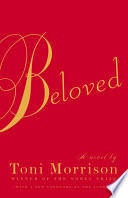
Beloved
Toni Morrison
A powerful novel that uses supernatural elements to explore the psychological trauma of slavery. The story centers on Sethe, a former slave haunted by the memory of her child. It blends historical realism with ghostly manifestations, creating a profound meditation on memory and historical pain. The narrative challenges linear storytelling through its complex, non-chronological structure.
The Metamorphosis
Franz Kafka
A surreal novella about a man who wakes up transformed into a giant insect, exploring themes of alienation and human identity. The story challenges traditional narrative by presenting an absurd, inexplicable transformation. It examines social expectations, family dynamics, and personal metamorphosis. The narrative's surreal approach influenced magical realist literature.
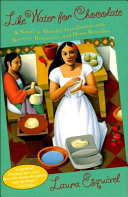
Like Water for Chocolate
Laura Esquivel
A magical realist novel that intertwines food, emotion, and family history in Mexico. The story follows Tita, whose intense emotions infuse her cooking with magical properties. Each chapter is structured around a recipe, blending culinary art with narrative storytelling. The novel explores themes of love, tradition, and personal liberation through a surreal and emotionally charged narrative.
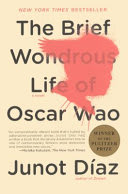
The Brief Wondrous Life of Oscar Wao
Junot Díaz
A contemporary novel that blends magical realism with Dominican-American history and pop culture. The story follows Oscar, an overweight Dominican-American nerd obsessed with science fiction and fantasy. It explores themes of family curse, cultural identity, and personal destiny. The novel combines historical narrative with magical elements, creating a unique storytelling approach.
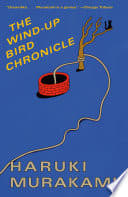
The Wind-Up Bird Chronicle
Haruki Murakami
A surreal Japanese novel that blends everyday reality with mysterious supernatural elements. The story follows Toru Okada's strange journey through a dreamlike landscape of disconnected experiences. It explores themes of identity, loss, and the hidden layers of reality. The narrative challenges traditional storytelling by incorporating magical and inexplicable events.
The Master and Margarita
Mikhail Bulgakov
A satirical novel that combines supernatural elements with political critique in Soviet Russia. The story involves the Devil visiting Moscow and creating chaos, intertwined with a narrative about Pontius Pilate. It blends historical fiction, fantasy, and social commentary in a complex narrative. The novel challenges reality through its surreal and transformative storytelling.
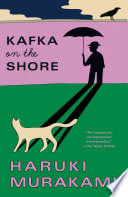
Kafka on the Shore
Haruki Murakami
A surreal novel that follows two parallel narratives that mysteriously intersect. The story involves a teenage runaway and an older man with unusual abilities. It explores themes of destiny, consciousness, and the blurred lines between reality and imagination. The narrative incorporates magical and inexplicable events that challenge traditional storytelling.
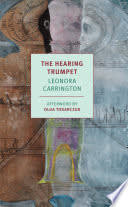
The Hearing Trumpet
Leonora Carrington
A surrealist novel that blends magical elements with feminist narrative. The story follows an elderly woman sent to a bizarre retirement home with mystical undertones. It challenges traditional narratives about aging and female experience through its imaginative storytelling. The novel incorporates mythological and supernatural elements in a playful, subversive manner.
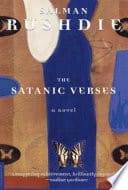
The Satanic Verses
Salman Rushdie
A controversial novel that blends magical realism with complex cultural and religious narratives. The story follows two Indian actors transformed by a miraculous survival, exploring themes of identity and cultural transformation. It incorporates supernatural elements to challenge religious and cultural boundaries. The narrative is known for its complex, multilayered storytelling.
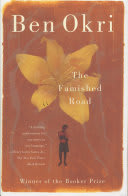
The Famished Road
Ben Okri
A magical realist novel set in Nigeria that follows a spirit child caught between the physical and spiritual worlds. The story explores postcolonial African experience through a surreal, mythological lens. It blends traditional folklore with contemporary political narrative. The novel challenges linear storytelling through its dreamlike, transformative approach.
No account connected — sign in to comment.