
Please note: This is a companion version & not the original book. Sample Book Insights: #1 Jordan was a fan of the stars, and he spent his time learning their names and significance. He eventually turned his attention to the terrestrial, and began drawing maps of everything he saw. His mother, who was very religious, took his maps and threw them away because she felt they were a waste of time. #2 When David was in middle school, he started collecting and identifying flowers. He soon discovered that he had a passion for plants and flowers, and began keeping questionable company with a poor farmer who had learned the scientific names of almost every plant in the area. #3 After meeting Joshua, David renounced his love of beauty, declaring that the dull and ugly flowers held better clues to nature’s blueprint. #4 When David was eleven, his brother, who was a passionate abolitionist, died from army fever. He stayed by his brother’s bedside for hours, hoping he would wake up. The next morning, he did not.
Average Rating
Informations
About the author
Everest Media,
Author
Summary of Lulu Miller's Why Fish Don't Exist
by Everest Media,
Books Like Summary of Lulu Miller's Why Fish Don't Exist
If you're looking for books similar to Summary of Lulu Miller's Why Fish Don't Exist, here are some recommendations based on themes, tone, and narrative style.
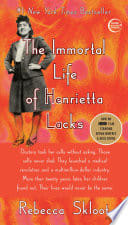
The Immortal Life of Henrietta Lacks
Rebecca Skloot
A groundbreaking exploration of scientific ethics and human identity through the story of Henrietta Lacks, whose cells were taken without her knowledge and became crucial to medical research. The book delves into complex scientific and personal narratives, similar to Miller's approach of weaving personal stories with scientific discovery. It examines the intersection of science, ethics, and human experience with profound depth and compassion.
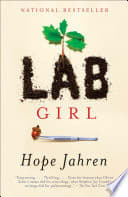
Lab Girl
Hope Jahren
A memoir that blends scientific passion with personal narrative, exploring the author's journey as a botanist and researcher. Jahren shares intimate insights into scientific discovery, personal struggles, and her deep connection to the natural world. The book's introspective style and scientific curiosity mirror Miller's approach to storytelling and exploration.
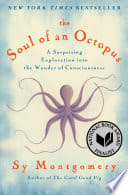
The Soul of an Octopus
Sy Montgomery
A compassionate exploration of animal intelligence and consciousness through the lens of octopuses. Montgomery combines scientific observation with personal narrative, revealing the complex emotional and intellectual lives of these remarkable creatures. The book's blend of scientific inquiry and personal reflection echoes Miller's narrative approach.
Hidden Life of Trees
Peter Wohlleben
An illuminating examination of tree communication and forest ecosystems, revealing the intricate social networks of trees. Wohlleben presents scientific discoveries in an accessible, engaging narrative style that transforms our understanding of plant life. The book's ability to make scientific concepts deeply personal resonates with Miller's storytelling approach.
Braiding Sweetgrass
Robin Wall Kimmerer
A profound exploration of indigenous wisdom and scientific understanding of nature, blending personal narrative with ecological insights. Kimmerer weaves together scientific knowledge, indigenous perspectives, and personal experiences to create a rich, nuanced view of human relationships with the natural world. The book's interdisciplinary approach mirrors Miller's narrative style.
The Warmth of Other Suns
Isabel Wilkerson
A masterful historical narrative tracking the Great Migration of African Americans from the South to northern cities. Wilkerson combines meticulous research with deeply personal stories, revealing the human experience behind a massive social transformation. The book's narrative depth and historical insight reflect Miller's approach to storytelling.
Sapiens
Yuval Noah Harari
A sweeping exploration of human history that combines scientific analysis with compelling narrative. Harari examines human evolution, social structures, and cultural development with a blend of academic rigor and storytelling prowess. The book's ability to make complex ideas accessible mirrors Miller's narrative approach.
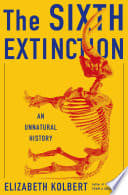
The Sixth Extinction
Elizabeth Kolbert
An investigative exploration of human impact on global biodiversity and ongoing environmental changes. Kolbert combines scientific research with compelling storytelling, revealing the complex interactions between human activity and ecological systems. The book's blend of scientific insight and narrative depth resonates with Miller's style.
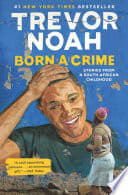
Born a Crime
Trevor Noah
A memoir exploring personal identity and social transformation through Noah's experiences growing up during apartheid in South Africa. Noah combines humor, personal reflection, and social commentary to create a powerful narrative about resilience and understanding. The book's intimate storytelling approach mirrors Miller's narrative style.
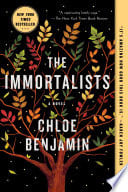
The Immortalists
Chloe Benjamin
A novel exploring fate, choice, and human potential through the story of four siblings who learn the dates of their deaths. Benjamin weaves a complex narrative that blends personal drama with philosophical inquiry, creating a nuanced exploration of human experience. The book's depth and narrative complexity reflect Miller's storytelling approach.
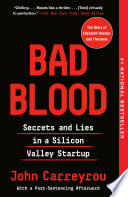
Bad Blood
John Carreyrou
An investigative narrative about the rise and fall of Theranos and its founder Elizabeth Holmes. Carreyrou combines rigorous journalism with compelling storytelling, revealing the complex dynamics of scientific fraud and corporate culture. The book's ability to make complex scientific and ethical issues accessible mirrors Miller's narrative approach.
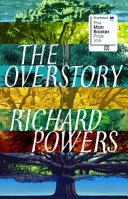
The Overstory
Richard Powers
A novel that interweaves multiple narratives about human relationships with trees and forests, exploring environmental consciousness. Powers creates a complex, interconnected narrative that challenges traditional perspectives on nature and human experience. The book's innovative storytelling and scientific insight resonate with Miller's approach.
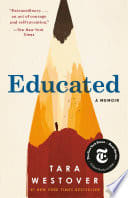
Educated
Tara Westover
A memoir about overcoming extreme isolation and pursuing education against significant personal challenges. Westover's narrative explores personal transformation, intellectual discovery, and the power of knowledge. The book's blend of personal reflection and broader social insights mirrors Miller's narrative style.
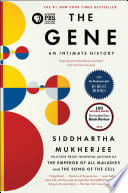
The Gene
Siddhartha Mukherjee
A comprehensive exploration of genetic science, combining historical research with personal narrative. Mukherjee traces the development of genetic understanding, weaving together scientific discovery, ethical considerations, and personal stories. The book's ability to make complex scientific concepts accessible reflects Miller's narrative approach.
No account connected — sign in to comment.