
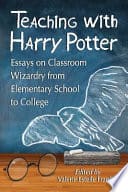
The Harry Potter phenomenon created a surge in reading with a lasting effect on all areas of culture, especially education. Today, teachers across the world are harnessing the power of the series to teach history, gender studies, chemistry, religion, philosophy, sociology, architecture, Latin, medieval studies, astronomy, SAT skills, and much more. These essays discuss the diverse educational possibilities of J.K. Rowling's books. Teachers of younger students use Harry and Hermione to encourage kids with disabilities or show girls the power of being brainy scientists. Students are reading fanfiction, splicing video clips, or exploring Rowling's new website, Pottermore. Harry Potter continues to open new doors to learning.
4.2/5
Average Rating
Informations
Genre
Literary Criticism
Published07 mars 2013
Recommendations14
About the author
Valerie Estelle Frankel
Author
American college professor of creative writing and author of books on pop culture
Teaching with Harry Potter
by Valerie Estelle Frankel
Literary Criticism
Books Like Teaching with Harry Potter
If you're looking for books similar to Teaching with Harry Potter, here are some recommendations based on themes, tone, and narrative style.
Top 1
100%
Harry Potter and the Sorcerer's Stone
J.K. Rowling
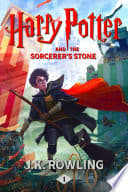
The first book in the Harry Potter series introduces readers to a magical world of education and personal growth. It follows Harry Potter's journey from an ordinary boy to a student at Hogwarts School of Witchcraft and Wizardry. The novel explores themes of friendship, learning, and overcoming challenges through education. It demonstrates how storytelling can inspire and engage students across multiple disciplines. The book's rich world-building provides numerous opportunities for interdisciplinary teaching.
Top 2
94%
Dune
Frank Herbert
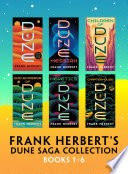
A science fiction novel exploring complex systems of knowledge and personal transformation. The story follows Paul Atreides as he learns complex political, ecological, and mystical systems. It provides rich material for interdisciplinary studies. The book demonstrates how learning can be a powerful tool for survival and understanding. Its narrative encourages deep analytical thinking.
Top 3
92%
Fahrenheit 451
Ray Bradbury
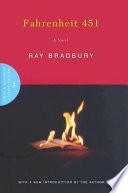
A powerful exploration of knowledge, censorship, and the role of education in society. The novel follows Guy Montag, a fireman who burns books, as he begins to question his society's approach to learning. It provides critical insights into the importance of intellectual freedom and critical thinking. The book offers rich material for discussing media, censorship, and the value of knowledge. Its themes resonate deeply with educational philosophy.
92%
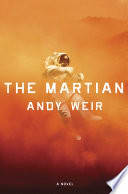
The Martian
Andy Weir
A science novel that showcases problem-solving and continuous learning. The story follows Mark Watney as he uses scientific knowledge to survive on Mars. It provides an excellent example of practical, interdisciplinary learning. The book demonstrates how education can be a critical survival tool. Its narrative encourages analytical thinking and scientific curiosity.
90%
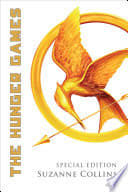
The Hunger Games
Suzanne Collins
A dystopian novel that explores social systems, political structures, and individual resistance. The story follows Katniss Everdeen as she navigates a complex educational and survival challenge. It provides rich material for discussing sociology, ethics, and media studies. The book's narrative structure offers opportunities for critical analysis and interdisciplinary learning. Its themes of personal growth and systemic challenge parallel educational exploration.
90%
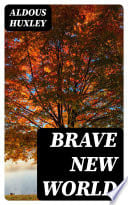
Brave New World
Aldous Huxley
A dystopian novel that critically examines societal structures and educational systems. The book explores how knowledge and conditioning shape individual experiences. It provides deep insights into social engineering, psychology, and personal autonomy. The narrative challenges readers to think critically about education and social control. Its complex themes offer rich material for interdisciplinary analysis.
90%
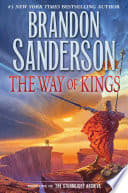
The Way of Kings
Brandon Sanderson
An epic fantasy novel that explores complex systems of knowledge and personal development. The story follows multiple characters as they navigate intricate learning challenges. It provides deep insights into intellectual and personal growth. The book demonstrates how education can transcend traditional boundaries. Its narrative encourages multidisciplinary thinking.
88%
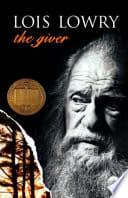
The Giver
Lois Lowry
A thought-provoking novel about knowledge, memory, and societal structures. The story follows Jonas as he discovers the limitations of his seemingly perfect society through a unique educational process. It challenges readers to think critically about information, education, and personal growth. The book provides excellent material for discussing philosophy, sociology, and ethical reasoning. Its narrative structure encourages deep analytical thinking.
88%
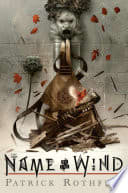
The Name of the Wind
Patrick Rothfuss
A fantasy novel centered on a protagonist's educational journey and intellectual development. The story follows Kvothe as he learns magic, science, and survival skills. It provides a rich exploration of learning across multiple disciplines. The book demonstrates how education can be a transformative and adventurous process. Its narrative structure encourages deep analytical thinking.
88%
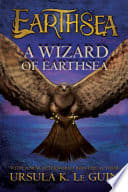
A Wizard of Earthsea
Ursula K. Le Guin
A fantasy novel centered on magical education and personal growth. The story follows Ged as he learns complex magical systems and confronts personal challenges. It provides insights into the process of learning and self-discovery. The book demonstrates how education can be a transformative journey. Its narrative encourages philosophical and psychological reflection.
86%
Ender's Game
Orson Scott Card
A science fiction novel centered on educational strategies and leadership development. The story follows Ender Wiggin through an intense military training program that tests intellectual and strategic capabilities. It provides deep insights into learning, strategy, and personal development. The book explores how education can be a transformative process that challenges traditional boundaries. Its complex narrative offers multiple angles for academic discussion.
86%
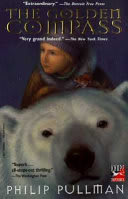
The Golden Compass
Philip Pullman
A fantasy novel that explores complex themes of knowledge, consciousness, and personal discovery. The story follows Lyra Belacqua as she navigates a world of scientific and magical learning. It provides rich material for interdisciplinary studies, combining elements of physics, philosophy, and mythology. The book challenges traditional educational boundaries and encourages critical thinking. Its narrative structure offers multiple perspectives on learning.
86%
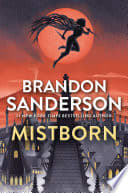
Mistborn: The Final Empire
Brandon Sanderson
A fantasy novel exploring knowledge, power, and social transformation. The story follows Vin as she learns a complex magical system and challenges societal structures. It provides rich material for discussing social dynamics and personal growth. The book demonstrates how learning can be a revolutionary process. Its narrative encourages critical thinking about knowledge and power.
84%
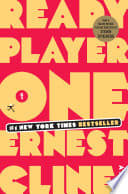
Ready Player One
Ernest Cline
A science fiction novel that explores learning through technology and virtual worlds. The story follows Wade Watts as he navigates a complex educational challenge through gaming and digital knowledge. It provides insights into modern learning strategies and technological education. The book demonstrates how knowledge can be acquired through unconventional methods. Its narrative encourages critical thinking about technology and learning.
No account connected — sign in to comment.