
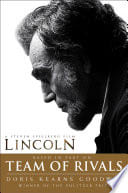
On May 18, 1860, William H. Seward, Salmon P. Chase, Edward Bates, and Abraham Lincoln waited in their hometowns for the results from the Republican National Convention in Chicago. When Lincoln emerged as the victor, his rivals were dismayed and angry. Throughout the turbulent 1850s, each had energetically sought the presidency as the conflict over slavery was leading inexorably to secession and civil war. That Lincoln succeeded was the result of a character that had been forged by life experiences that raised him above his more privileged and accomplished rivals. He won because hepossessed an extraordinary ability to put himself in the place of other men, to experience what they were feeling, to understand their motives and desires. This capacity enabled President Lincoln to bring his disgruntled opponents together, create the most unusual cabinet in history, and marshal their talents to preserve the Union and win the war.
Average Rating
Informations
About the author
Doris Kearns Goodwin
Author
Doris Helen Kearns Goodwin is an American biographer, historian, former sports journalist, and political commentator. She has written biographies of numerous U.S. presidents. Goodwin's book No Ordinary Time: Franklin and Eleanor Roosevelt: The Home Front in World War II won the Pulitzer Prize for History in 1995. Goodwin produced the American television miniseries Washington. She was also executive producer of Abraham Lincoln, a 2022 docudrama on the History Channel. This latter series was based on Goodwin's Leadership in Turbulent Times.
Team of Rivals
by Doris Kearns Goodwin
Books Like Team of Rivals
If you're looking for books similar to Team of Rivals, here are some recommendations based on themes, tone, and narrative style.
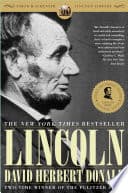
Lincoln
David Herbert Donald
A comprehensive biography of Abraham Lincoln that explores his political rise and leadership during the Civil War. The book provides deep insights into Lincoln's character, strategic thinking, and personal struggles. It offers a nuanced portrait of how Lincoln navigated complex political landscapes and managed competing personalities. Donald's work is considered one of the most authoritative studies of Lincoln's life and presidency.
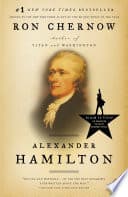
Alexander Hamilton
Ron Chernow
A comprehensive biography that explores Hamilton's political brilliance and leadership during the founding of the United States. Chernow reveals Hamilton's strategic thinking, political maneuvering, and ability to build complex political alliances. The book provides insights into early American political dynamics and leadership challenges. It offers a nuanced portrait of a key founding figure.
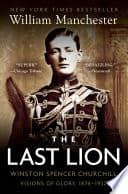
The Last Lion
William Manchester
A comprehensive biography of Winston Churchill that explores his leadership during World War II. Manchester reveals Churchill's strategic thinking, personal resilience, and ability to inspire during challenging times. The book provides insights into political leadership during a global crisis. It offers a compelling narrative of personal courage and political engagement.
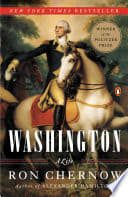
Washington: A Life
Ron Chernow
A comprehensive biography of George Washington that explores his leadership and political acumen. Chernow reveals Washington's ability to build consensus and manage diverse personalities, much like Lincoln. The book provides deep insights into the challenges of early American leadership and the personal qualities that enabled Washington to unite a young nation. It offers a nuanced portrait of presidential leadership during a transformative period.
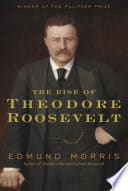
The Rise of Theodore Roosevelt
Edmund Morris
A detailed exploration of Theodore Roosevelt's early life and political rise that demonstrates remarkable leadership and personal transformation. Morris reveals Roosevelt's political acumen, strategic thinking, and ability to build coalitions. The book provides insights into the personal qualities that enable effective political leadership. It offers a compelling narrative of individual growth and political engagement.
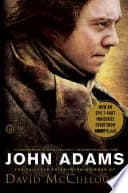
John Adams
David McCullough
A comprehensive biography that explores Adams's political leadership during the founding of the United States. McCullough reveals Adams's strategic thinking, personal challenges, and role in establishing American democracy. The book provides insights into early American political dynamics and leadership challenges. It offers a nuanced portrait of a key founding figure.
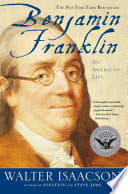
Benjamin Franklin
Walter Isaacson
A comprehensive exploration of Franklin's remarkable life, political influence, and intellectual contributions. Isaacson reveals Franklin's strategic thinking, diplomatic skills, and ability to build complex networks. The book provides insights into leadership during the founding of the United States. It offers a nuanced portrait of a multifaceted leader and innovator.
Einstein
Walter Isaacson
A comprehensive biography that explores Einstein's scientific brilliance and personal journey. Isaacson reveals Einstein's innovative thinking, personal challenges, and broader cultural impact. The book provides insights into intellectual leadership and personal transformation. It offers a nuanced portrait of a remarkable scientific and cultural figure.
A Thousand Days
Arthur M. Schlesinger Jr.
A detailed account of John F. Kennedy's presidency that similarly explores political leadership and team dynamics. The book examines how Kennedy assembled and managed a diverse group of advisors and navigated complex political challenges. It provides insights into presidential decision-making and the importance of building a strong, collaborative team. Schlesinger's work offers a compelling narrative of political strategy and leadership.
Grant
Ron Chernow
A comprehensive biography of Ulysses S. Grant that explores military and political leadership during the Civil War era. Chernow reveals Grant's strategic thinking, personal challenges, and role in Reconstruction. The book provides insights into leadership during a tumultuous period of American history. It offers a nuanced portrait of a complex leader who played a crucial role in preserving the Union.
The Power Broker
Robert Caro
A detailed exploration of Robert Moses's political influence and urban development in New York City. Caro reveals the complex dynamics of political power and leadership. The book provides insights into how individuals can shape institutional landscapes through strategic thinking and political maneuvering. It offers a compelling narrative of political influence and transformation.
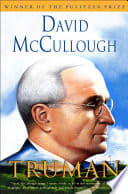
Truman
David McCullough
A detailed biography of Harry S. Truman that explores his unexpected presidency and leadership during challenging times. McCullough reveals Truman's ability to make difficult decisions and navigate complex political landscapes. The book provides insights into presidential leadership during the post-World War II era. It offers a compelling narrative of personal growth and political engagement.
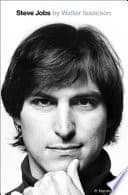
Steve Jobs
Walter Isaacson
A detailed exploration of Jobs's leadership and innovation in the technology industry. Isaacson reveals Jobs's strategic thinking, personal challenges, and ability to transform entire industries. The book provides insights into leadership, innovation, and personal transformation. It offers a compelling narrative of individual vision and technological revolution.
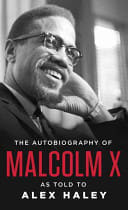
The Autobiography of Malcolm X
Malcolm X and Alex Haley
A powerful narrative of personal transformation and leadership that explores complex political and social dynamics. Malcolm X's journey demonstrates remarkable personal growth and the ability to challenge and evolve political perspectives. The book provides insights into leadership, social change, and personal resilience. It offers a compelling exploration of individual transformation and political engagement.
No account connected — sign in to comment.