
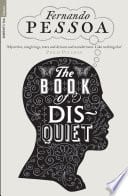
With its astounding hardcover reviews Richard Zenith's new complete translation of THE BOOK OF DISQUIET has now taken on a similar iconic status to ULYSSES, THE TRIAL or IN SEARCH OF LOST TIME as one of the greatest but also strangest modernist texts. An assembly of sometimes linked fragments, it is a mesmerising, haunting 'novel' without parallel in any other culture.
4.7/5
Average Rating
Informations
Genre
Fiction
Published30 mai 2002
Recommendations14
About the author
Fernando Pessoa
Author
Fernando António Nogueira de Seabra Pessoa was a Portuguese poet, writer, literary critic, translator, and publisher. He has been described as one of the most significant literary figures of the 20th century and one of the greatest poets in the Portuguese language. He also wrote in and translated from English and French.
The Book of Disquiet
by Fernando Pessoa
Fiction
Books Like The Book of Disquiet
If you're looking for books similar to The Book of Disquiet, here are some recommendations based on themes, tone, and narrative style.
Top 1
92%
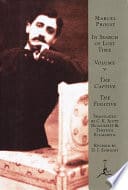
In Search of Lost Time
Marcel Proust
A monumental exploration of memory, consciousness, and subjective experience. Like The Book of Disquiet, it employs a non-linear narrative structure and delves into intricate psychological landscapes. The work examines how memory shapes identity and perception. Its rich, introspective prose captures the complexity of human inner life.
Top 2

92%
The Waves
Virginia Woolf
A modernist novel exploring consciousness through poetic, fragmented narrative. Like Pessoa's work, it deconstructs traditional storytelling. The book offers a profound exploration of inner experience and interconnected consciousness. Its experimental style reveals the complexity of human perception.
Top 3
90%
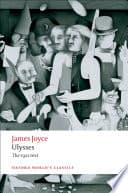
Ulysses
James Joyce
A groundbreaking modernist novel that deconstructs traditional narrative structure. Like Pessoa's work, it explores inner consciousness through fragmented, stream-of-consciousness writing. The book delves deep into human psychology and urban experience through experimental literary techniques. It challenges conventional storytelling and offers profound introspection.

90%
The Trial
Franz Kafka
A surreal exploration of bureaucracy and existential anxiety. Similar to Pessoa's work, it employs fragmented narrative and psychological depth. The novel examines individual alienation within complex social systems. Its dreamlike quality and introspective tone mirror the disorienting nature of modern experience.
90%
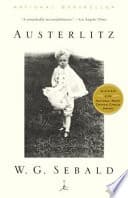
Austerlitz
W.G. Sebald
A complex narrative exploring memory, displacement, and historical trauma. Similar to Pessoa's fragmentary approach, it weaves personal and historical experiences. The book examines how individual consciousness intersects with broader historical narratives. Its meditative style offers profound psychological insights.
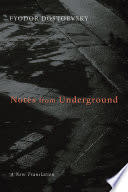
88%
Notes from Underground
Fyodor Dostoevsky
A pioneering work of existential literature featuring an introspective, unreliable narrator. Like Pessoa's text, it provides a deep psychological exploration of inner turmoil. The narrative challenges rational thought and societal norms through intense personal reflection. It represents a groundbreaking approach to understanding human complexity.
88%
The Tartar Steppe
Dino Buzzati
A metaphysical novel exploring existential waiting and psychological stasis. Like Pessoa's work, it delves into inner landscapes of perception and meaning. The narrative examines human anticipation and the passage of time. Its philosophical depth and introspective tone resonate with modernist sensibilities.

88%
Invisible Cities
Italo Calvino
A philosophical exploration of imagination and perception through fictional cities. Similar to Pessoa's approach, it challenges narrative conventions. The book offers a fragmented, poetic meditation on human experience. Its innovative structure reveals profound insights into consciousness and representation.
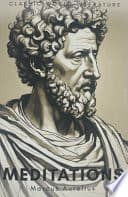
86%
Meditations
Marcus Aurelius
A philosophical work of personal reflections and introspective thoughts. Similar to Pessoa's fragmentary style, it offers intimate insights into an individual's inner world. The text explores existential questions, self-examination, and the nature of human experience. Written as private notes, it reveals a deeply personal philosophical journey.

86%
The Rings of Saturn
W.G. Sebald
A hybrid work combining memoir, fiction, and historical reflection. Similar to Pessoa's fragmentary approach, it weaves together diverse narrative threads. The book explores memory, landscape, and personal experience through a meandering, introspective style. Its non-linear structure challenges conventional storytelling.
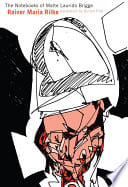
86%
The Notebooks of Malte Laurids Brigge
Rainer Maria Rilke
A modernist novel exploring inner consciousness and existential uncertainty. Like Pessoa's text, it employs a fragmented, introspective narrative style. The work delves into personal perception and psychological complexity. Its poetic prose offers a deep examination of individual experience.
84%
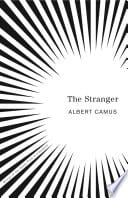
The Stranger
Albert Camus
An existentialist novel exploring alienation and emotional detachment. The protagonist's disconnected perspective resonates with Pessoa's fragmented narrative style. It examines individual consciousness against societal expectations. The book offers a profound meditation on absurdity and personal isolation.
84%
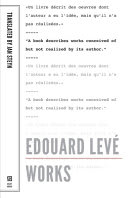
Autoportrait
Édouard Levé
A radical autobiography composed of brief, disconnected statements. Directly inspired by Pessoa-like fragmentation, it deconstructs traditional self-representation. The book offers an intimate, non-linear exploration of personal identity. Its experimental form challenges how we understand individual experience.
82%
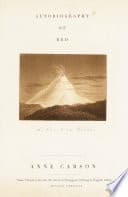
Autobiography of Red
Anne Carson
An innovative work blending poetry and narrative that explores inner consciousness. Like Pessoa's text, it challenges traditional literary forms. The book reimagines mythological narrative through a deeply personal lens. Its experimental structure and psychological depth offer a unique reading experience.
No account connected — sign in to comment.