
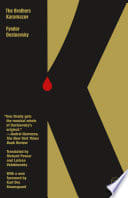
Winner of the Pen/Book-of-the-Month Club Translation Prize The award-winning translation of Fyodor Dostoevsky's classic novel of psychological realism. The Brothers Karamazov is a murder mystery, a courtroom drama, and an exploration of erotic rivalry in a series of triangular love affairs involving the “wicked and sentimental” Fyodor Pavlovich Karamazov and his three sons—the impulsive and sensual Dmitri; the coldly rational Ivan; and the healthy, red-cheeked young novice Alyosha. Through the gripping events of their story, Dostoevsky portrays the whole of Russian life, is social and spiritual striving, in what was both the golden age and a tragic turning point in Russian culture. This award-winning translation by Richard Pevear and Larissa Volokhonsky remains true to the verbal inventiveness of Dostoevsky’s prose, preserving the multiple voices, the humor, and the surprising modernity of the original. It is an achievement worthy of Dostoevsky’s last and greatest novel.
Average Rating
Informations
About the author
Fyodor Dostoevsky
Author
Fyodor Mikhailovich Dostoevsky was a Russian novelist, short story writer, essayist and journalist. He is regarded as one of the greatest novelists in both Russian and world literature, and many of his works are considered highly influential masterpieces. Dostoevsky's literary works explore the human condition in the troubled political, social and spiritual atmospheres of 19th-century Russia, and engage with a variety of philosophical and religious themes. His most acclaimed novels include Crime and Punishment (1866), The Idiot (1869), Demons (1872), The Adolescent (1875) and The Brothers Karamazov (1880). His Notes from Underground, a novella published in 1864, is considered one of the first works of existentialist literature.
The Brothers Karamazov
by Fyodor Dostoevsky
Books Like The Brothers Karamazov
If you're looking for books similar to The Brothers Karamazov, here are some recommendations based on themes, tone, and narrative style.

Crime and Punishment
Fyodor Dostoevsky
Another profound psychological exploration by Dostoevsky, this novel delves into the moral struggles of Raskolnikov, a poor ex-student who commits murder. The book examines the psychological and philosophical consequences of his actions, exploring themes of guilt, redemption, and moral responsibility. Like The Brothers Karamazov, it offers a deep psychological study of human nature and moral complexity. The narrative is intense, philosophical, and provides a penetrating look into the human psyche.
The Master and Margarita
Mikhail Bulgakov
A complex, satirical novel blending supernatural elements with social critique. The story involves the devil visiting Soviet Moscow, creating chaos and exposing societal hypocrisies. Like The Brothers Karamazov, it offers a deep philosophical exploration of good, evil, and human nature. The narrative combines philosophical depth with imaginative storytelling.
War and Peace
Leo Tolstoy
A monumental Russian novel that, like The Brothers Karamazov, explores complex human relationships and philosophical questions. The book follows several aristocratic families during the Napoleonic Era, examining themes of free will, history, and human nature. Tolstoy's epic provides a sweeping view of Russian society, combining personal drama with philosophical reflection. The narrative depth and psychological insight make it a compelling companion to Dostoevsky's work.
Anna Karenina
Leo Tolstoy
A complex novel exploring moral dilemmas, social conventions, and personal passion. The story follows Anna Karenina's tragic love affair and the interconnected lives of Russian aristocrats. Similar to The Brothers Karamazov, it provides a deep psychological study of characters facing moral challenges. The novel examines themes of love, marriage, social expectations, and individual freedom.
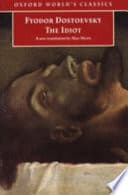
The Idiot
Fyodor Dostoevsky
A novel exploring the challenges of maintaining moral purity in a corrupt society. The protagonist, Prince Myshkin, is a deeply compassionate and naive character navigating complex social interactions. Like The Brothers Karamazov, it offers a profound psychological study of human nature and moral complexity. The narrative examines themes of innocence, suffering, and social judgment.

The Death of Ivan Ilyich
Leo Tolstoy
A novella exploring mortality, personal reflection, and the meaning of life. The story follows Ivan Ilyich's confrontation with death and his retrospective examination of his life. Like The Brothers Karamazov, it offers a profound philosophical exploration of human existence. The narrative provides deep insights into personal transformation and existential questioning.
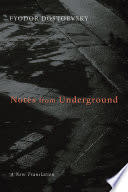
Notes from Underground
Fyodor Dostoevsky
A shorter but intensely psychological novella that showcases Dostoevsky's trademark introspective style. The unnamed narrator provides a bitter, sardonic monologue about human nature, rationality, and free will. Like The Brothers Karamazov, it offers a profound exploration of individual psychology and philosophical questioning. The work challenges readers' perceptions of human motivation and rational behavior.
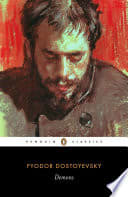
Demons
Fyodor Dostoevsky
Another philosophical novel by Dostoevsky that explores political and social tensions in 19th-century Russia. The book follows a group of revolutionaries and their destructive ideological conflicts. Like The Brothers Karamazov, it offers a complex examination of human psychology, political ideas, and moral choices. The narrative provides a penetrating look at the destructive potential of radical ideologies.

Fathers and Sons
Ivan Turgenev
A novel exploring generational conflicts and philosophical debates in mid-19th century Russia. The story follows young nihilist Bazarov and his interactions with different generations. Similar to The Brothers Karamazov, it provides a nuanced exploration of philosophical and generational tensions. The narrative offers insights into Russian social and intellectual life of the period.

Eugene Onegin
Alexander Pushkin
A novel in verse that explores social conventions, love, and personal growth in 19th-century Russia. The story follows the titular character's emotional journey and social interactions. Similar to The Brothers Karamazov, it provides a nuanced exploration of human psychology and social dynamics. The work offers profound insights into Russian society and individual experience.
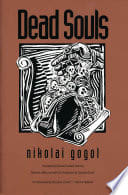
Dead Souls
Nikolai Gogol
A satirical novel that, like The Brothers Karamazov, provides a critical examination of Russian society. The protagonist, Chichikov, travels through the Russian countryside attempting a fraudulent scheme involving dead serfs. The book offers a sharp, often humorous critique of social systems and human nature. Its philosophical undertones and complex character study make it a compelling read.

A Hero of Our Time
Mikhail Lermontov
A novel exploring the psychological complexity of a cynical, alienated protagonist. The narrative follows Pechorin, a complex antihero navigating social and personal challenges. Like The Brothers Karamazov, it offers a deep psychological study of human nature. The work provides a critical examination of individual psychology and social expectations.

Oblomov
Ivan Goncharov
A novel exploring the psychological state of a passive, unmotivated protagonist. Oblomov represents a critique of social inertia and personal stagnation in 19th-century Russia. Similar to The Brothers Karamazov, it offers a deep psychological study of individual character. The narrative provides insights into human nature and social expectations.

Poor Folk
Fyodor Dostoevsky
Dostoevsky's first novel, exploring the lives of poor people in St. Petersburg. The story is told through a series of letters, revealing the emotional and social struggles of its characters. Similar to his later works, it offers a compassionate exploration of human suffering and social conditions. The narrative provides insights into individual psychology and social dynamics.
No account connected — sign in to comment.