
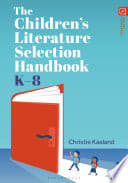
Offering future school librarians, teachers, and working librarians an alternative to lengthier textbooks on children's literature, this engaging book introduces readers to the most important genres and current conversations in the field while leaving them time to read children's literature directly. As school librarian and teacher certification programs become more abridged, students require succinct textbooks that still provide a valuable introduction to the field. Working librarians need reference books that allow them to make good selections for their collections. Students and professionals will appreciate The Children's Literature Selection Handbook, K–8 because it offers a needed overview of the field while allowing for plenty of time to read children's literature. Author Christie Kaaland's conversational tone speaks directly to readers, and the book offers students a pathway to engage with literature directly and effectively scaffold their learning. Beginning with an introduction to standard literary fiction genres, including a discussion of literature trends and children's reading interests and needs, the chapters turn to the most important genres: fiction, biography, folk literature, picture books, informational texts, poetry, and graphic novels. A focus on book series, a deep discussion of graphic novels, the inclusion of global literature and review sources for selection, and information on publishers and the publishing industry set this timely book apart from others in the field. Reader voices add perspective and charm. This compact and engaging book is the perfect companion to the vast wealth of children's literature that future teachers and school librarians will read during their professional preparation and share with children and youth as working librarians.
Average Rating
Informations
About the author
Christie Kaaland
Author
The Children’s Literature Selection Handbook, K–8
by Christie Kaaland
Books Like The Children’s Literature Selection Handbook, K–8
If you're looking for books similar to The Children’s Literature Selection Handbook, K–8, here are some recommendations based on themes, tone, and narrative style.
The Read-Aloud Handbook
Jim Trelease
A groundbreaking guide that emphasizes the importance of reading aloud to children. Trelease provides compelling research on how shared reading experiences can enhance literacy and emotional development. The book includes extensive book recommendations and practical advice for parents and educators. It demonstrates the transformative power of reading together.
Multicultural Children's Literature
Donna Norton
An important exploration of diverse representation in children's books. Norton examines how literature can promote cultural understanding and empathy. The book provides criteria for selecting books that authentically represent various cultural experiences. It offers guidance for creating inclusive reading environments that celebrate diversity.
Children's Literature in the Elementary School
Charlotte S. Huck
A foundational text that examines the significance of children's literature in educational settings. The book covers various genres, literary elements, and the developmental impact of reading on children. It provides comprehensive strategies for selecting and introducing books to young readers. The text is widely used in teacher education programs.
Global Children's Literature
Mingshui Cai
An important examination of international children's literature and its educational potential. Cai explores how books from different cultures can broaden children's perspectives. The book provides criteria for selecting authentic and meaningful global literature. It offers insights into the role of literature in promoting cross-cultural understanding.
Reading and Selecting Children's Books
Barbara Stoodt-Hill
A comprehensive guide for educators and librarians on selecting high-quality children's literature. The book provides in-depth strategies for evaluating children's books across different genres and age groups. It offers practical insights into understanding children's reading development and book selection criteria. The text is designed to help professionals make informed decisions about literature for young readers.

Graphic Novels in the Classroom
Katie Monnin
An innovative exploration of graphic novels as a legitimate literary form for children. Monnin provides strategies for using graphic novels to engage reluctant readers and support visual literacy. The book offers critical frameworks for evaluating graphic novels and their educational value. It demonstrates the unique storytelling potential of this medium.
Choosing and Using Children's Books
Margaret Mallett
An essential resource for understanding the role of children's literature in education and personal development. The book explores how books can support learning, imagination, and critical thinking in children. It provides detailed analysis of book selection techniques and the importance of diverse literary experiences. Mallett offers practical guidance for teachers, librarians, and parents.
Teaching with Picture Books
Barbara Kiefer
A comprehensive guide to using picture books as powerful educational tools. Kiefer demonstrates how picture books can support learning across curriculum areas. The book provides detailed analysis of visual storytelling and its educational potential. It offers practical strategies for integrating picture books into classroom instruction.
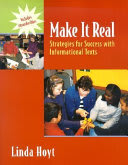
Informational Text Strategies
Linda Hoyt
A practical resource for using informational texts to support learning. Hoyt provides strategies for selecting and teaching non-fiction books that engage children's curiosity. The book offers techniques for developing critical reading skills through informational texts. It demonstrates how non-fiction can be both educational and exciting for young readers.
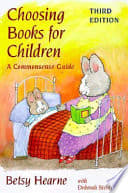
Selecting Picture Books
Betsy Hearne
A specialized guide focusing on the art and science of choosing picture books for children. Hearne explores visual storytelling, artistic techniques, and narrative strategies unique to picture books. The book provides critical frameworks for evaluating illustrations and text integration. It is an essential resource for understanding the complexity of picture book selection.
Poetry in the Classroom
Judith Hillman
A comprehensive guide to introducing poetry to children. Hillman explores various approaches to making poetry accessible and enjoyable for young readers. The book provides strategies for selecting and teaching poetry across different age groups. It emphasizes the emotional and linguistic benefits of poetry in children's education.
Literature-Based Reading Activities
Joan F. Carling
A practical handbook for creating engaging reading experiences for children. The book offers innovative strategies for using literature to develop critical thinking and literacy skills. Carling provides numerous classroom-tested activities that connect reading with learning across different subjects. It serves as a valuable resource for educators seeking interactive approaches to children's literature.
No account connected — sign in to comment.