
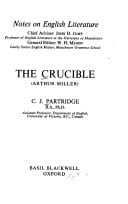
The Crucible is a study in the mass hysteria which led to the 1692 Salem witchcraft trials, concentrating on the fate of some of the key figures caught up in the persecution. It powerfully depicts people and principles under pressure and the issues and motivations involved. At the same time, it is also a parable for the events of the McCarthy era in the USA of the 1950s when anyone suspected of left-wing views was arraigned for 'Un-American Activities'.
4.5/5
Average Rating
Informations
Genre
Drama
Published01 janvier 1992
Recommendations10
About the author
Arthur Miller
Author
Arthur Asher Miller was an American actor and writer of plays in the 20th-century American theater. Among his most popular plays are All My Sons (1947), Death of a Salesman (1949), The Crucible (1953), and A View from the Bridge (1955). He wrote several screenplays, including The Misfits (1961). The drama Death of a Salesman is considered one of the best American plays of the 20th century.
The Crucible
by Arthur Miller
Drama
Books Like The Crucible
If you're looking for books similar to The Crucible, here are some recommendations based on themes, tone, and narrative style.
Top 1
94%
1984
George Orwell
A dystopian novel exploring mass hysteria, social control, and the manipulation of truth. The story follows Winston Smith, who rebels against a totalitarian government that controls every aspect of citizens' lives. Like The Crucible, it examines how fear and propaganda can drive people to turn against one another. The book critiques political systems that suppress individual thought and freedom.
Top 2
92%
To Kill a Mockingbird
Harper Lee
A powerful exploration of social injustice and moral complexity in the American South. The novel follows Scout Finch and her father Atticus as they confront racial prejudice during a controversial trial. Similar to The Crucible, it demonstrates how societal hysteria and prejudice can destroy individuals. The book reveals how moral courage can stand against systemic oppression.
Top 3
92%
Animal Farm
George Orwell
An allegorical novel about political manipulation and social betrayal. The story follows farm animals who overthrow their human masters, only to recreate the same oppressive systems. Like The Crucible, it examines how fear and propaganda can corrupt social movements. The narrative reveals how power can corrupt even well-intentioned revolutionaries.

90%
Brave New World
Aldous Huxley
A dystopian novel examining social control and individual freedom. The story depicts a future society where conformity is enforced through psychological manipulation. Similar to The Crucible, it explores how societal pressure can suppress individual thought and create mass hysteria. The book critiques systems that prioritize social stability over personal liberty.
90%
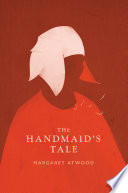
The Handmaid's Tale
Margaret Atwood
A dystopian novel exploring social control and women's oppression in a totalitarian society. The story follows Offred, a handmaid in a repressive regime that controls women's reproductive rights. Similar to The Crucible, it examines how fear and ideology can lead to systemic persecution. The book reveals the dangers of religious and political extremism.
90%
One Flew Over the Cuckoo's Nest
Ken Kesey
A novel about institutional control and individual rebellion. The story follows Randle McMurphy's conflict with a oppressive psychiatric hospital system. Similar to The Crucible, it explores themes of individual resistance against systemic oppression. The narrative reveals how institutions can crush individual spirit.
88%
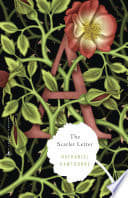
The Scarlet Letter
Nathaniel Hawthorne
A novel set in Puritan New England that examines social persecution and individual morality. The story centers on Hester Prynne, who is publicly shamed for adultery. Like The Crucible, it explores themes of public judgment, hidden sins, and community hysteria. The narrative reveals how rigid social systems can crush individual humanity.
88%
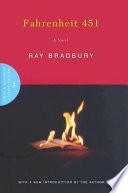
Fahrenheit 451
Ray Bradbury
A novel about censorship and the suppression of individual thought. The story follows Guy Montag, a fireman who burns books in a society that fears independent thinking. Like The Crucible, it explores how fear can drive social control and persecution. The narrative critiques systems that suppress free expression and critical thinking.
86%
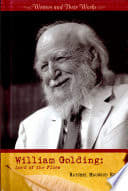
Lord of the Flies
William Golding
A novel about social breakdown and human nature when civilization's structures collapse. The story follows a group of boys stranded on an island who descend into savagery. Similar to The Crucible, it examines how fear and group dynamics can lead to destructive behavior. The book reveals the thin line between civilization and barbarism.
84%
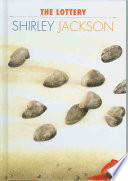
The Lottery
Shirley Jackson
A short story exploring blind adherence to tradition and social ritual. The narrative depicts a small town's annual lottery with a shocking conclusion. Like The Crucible, it examines how unquestioned social practices can lead to collective violence. The story reveals the dangers of unexamined social norms.
No account connected — sign in to comment.