
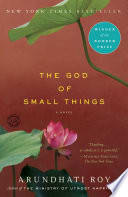
Set against a background of political turbulence in Kerala, this is the story of twins Esthappen and Rahel who try to craft a childhood for themselves amongst the vats of banana jam and heaps of peppercorns in their grandmother's factory.
4.5/5
Average Rating
Informations
Genre
Fiction
Published01 janvier 1998
Recommendations14
About the author
Arundhati Roy
Author
Suzanna Arundhati Roy is an Indian author best known for her novel The God of Small Things (1997), which won the Booker Prize for Fiction in 1997 and became the biggest-selling book by a non-expatriate Indian author. She is also a political activist involved in human rights and environmental causes. She was the winner of the 2024 PEN Pinter Prize, given by English PEN, and she named imprisoned British-Egyptian writer and activist Alaa Abd El-Fattah as the "Writer of Courage" with whom she chose to share the award.
The God of Small Things
by Arundhati Roy
Fiction
Books Like The God of Small Things
If you're looking for books similar to The God of Small Things, here are some recommendations based on themes, tone, and narrative style.
Top 1
88%
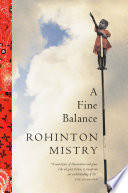
A Fine Balance
Rohinton Mistry
Set during India's Emergency period, the novel follows four characters from different backgrounds whose lives intersect in unexpected ways. It provides a profound examination of social injustice, resilience, and human connection. The book's intricate storytelling and exploration of marginalized lives echo Roy's narrative style.
Top 2

86%
Midnight's Children
Salman Rushdie
A magical realist novel exploring India's complex post-colonial history through the life of Saleem Sinai, born at the exact moment of India's independence. The book weaves personal and national narratives, using intricate storytelling and rich symbolism. It captures the intimate connections between individual lives and broader historical events, similar to Roy's narrative approach.
Top 3
86%
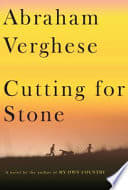
Cutting for Stone
Abraham Verghese
A novel about twin brothers born in Ethiopia, exploring themes of family, medicine, and cultural identity. The story spans continents and generations, examining complex familial relationships. Its rich, layered narrative and exploration of personal and historical connections echo Roy's style.
84%
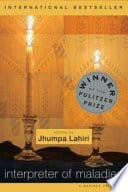
Interpreter of Maladies
Jhumpa Lahiri
A collection of short stories exploring the Indian diaspora experience, family relationships, and cultural displacement. Each story delves into nuanced emotional landscapes and interpersonal dynamics. The writing shares Roy's lyrical quality and deep psychological insight into human relationships.
84%
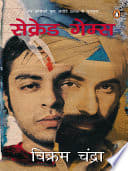
Sacred Games
Vikram Chandra
An epic crime novel set in Mumbai, interweaving the stories of a police inspector and a notorious gangster. The book explores complex social systems, political corruption, and personal moral choices. Its multilayered narrative and deep societal analysis share similarities with Roy's storytelling.
84%
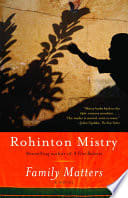
Family Matters
Rohinton Mistry
A novel about an aging Parsi man and his family in Mumbai, exploring themes of aging, caregiving, and familial relationships. The story provides a intimate look at personal struggles within a broader social context. Its deep psychological insights parallel Roy's narrative approach.
82%
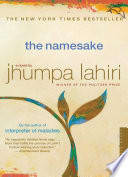
The Namesake
Jhumpa Lahiri
A novel about cultural identity, immigration, and family dynamics, following Gogol Ganguli, a first-generation Indian-American struggling with his name and heritage. The story explores themes of belonging, personal transformation, and generational differences. Its intimate family portrait and nuanced character development resemble Roy's approach.
82%
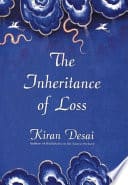
The Inheritance of Loss
Kiran Desai
Set in the Himalayas during a period of political unrest, the novel explores themes of colonialism, migration, and cultural identity. It follows multiple characters navigating personal and societal transformations. The book's nuanced exploration of social dynamics is reminiscent of Roy's work.
82%
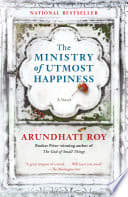
The Ministry of Utmost Happiness
Arundhati Roy
Roy's second novel, continuing her exploration of marginalized lives in India. The book weaves together multiple narratives, examining social justice, identity, and resilience. It provides a complex, multilayered view of contemporary Indian society, expanding on themes from her first novel.

80%
The White Tiger
Aravind Adiga
A dark, satirical novel about class struggle in modern India, following a poor driver's rise to entrepreneurial success through unconventional means. The book provides a sharp critique of social hierarchies and economic inequality. Like Roy's work, it explores power dynamics and personal transformation within a complex social landscape.
80%
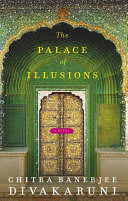
The Palace of Illusions
Chitra Banerjee Divakaruni
A retelling of the Mahabharata from Draupadi's perspective, offering a feminist reinterpretation of a classic epic. The novel provides a nuanced exploration of power, gender, and personal agency. Its reimagining of traditional narratives reflects Roy's innovative storytelling approach.
80%
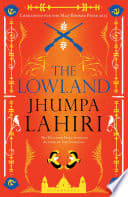
The Lowland
Jhumpa Lahiri
A novel about two brothers in Calcutta, exploring political activism, personal sacrifice, and family bonds. The story spans decades and continents, examining complex emotional landscapes. Its exploration of personal and political interconnections reflects Roy's narrative style.
80%
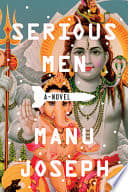
Serious Men
Manu Joseph
A satirical novel about a lower-caste man working at a scientific institute who crafts an elaborate deception about his son's intelligence. The book provides a sharp critique of social hierarchies and institutional dynamics. Its exploration of power and marginalization resonates with Roy's narrative approach.
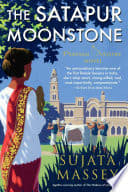
78%
The Satapur Conspiracy
Sujata Massey
A historical mystery set in 1920s India, following a female lawyer navigating complex social and political landscapes. The novel explores themes of gender, power, and cultural transformation. Its nuanced portrayal of social dynamics echoes Roy's storytelling style.
No account connected — sign in to comment.