
4.7/5
Average Rating
Informations
Genre
Biography & Autobiography
Published07 mars 2019
Recommendations10
About the author
Rebecca Skloot
Author
Rebecca L. Skloot is an American science writer who specializes in science and medicine. Her first book, The Immortal Life of Henrietta Lacks (2010), was one of the best-selling new books of 2010, staying on The New York Times Bestseller list for over 6 years and eventually reaching #1. It was adapted into a movie by George C. Wolfe, which premiered on HBO on April 22, 2017, and starred Rose Byrne as Skloot, and Oprah Winfrey as Lacks's daughter Deborah.
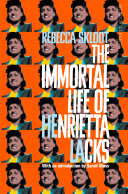
The Immortal Life of Henrietta Lacks
by Rebecca Skloot
Biography & Autobiography
Books Like The Immortal Life of Henrietta Lacks
If you're looking for books similar to The Immortal Life of Henrietta Lacks, here are some recommendations based on themes, tone, and narrative style.
Top 1
96%
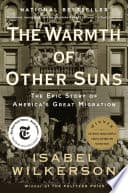
The Warmth of Other Suns
Isabel Wilkerson
A groundbreaking historical narrative about the Great Migration of African Americans from the South to northern cities. The book weaves personal stories of migration with broader social and historical contexts. It reveals systemic racism, personal resilience, and the transformative power of individual journeys.
Top 2
94%
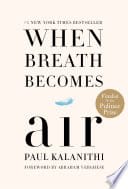
When Breath Becomes Air
Paul Kalanithi
A deeply personal memoir by a neurosurgeon confronting terminal cancer. The book explores mortality, medical profession, and the meaning of life through a physician's intimate perspective. It reveals profound insights about human vulnerability and resilience in the face of scientific limitations.
Top 3
94%
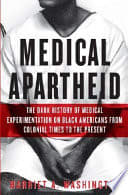
Medical Apartheid
Harriet Washington
A comprehensive history of medical experimentation on African Americans. The book reveals systemic racism in medical research and healthcare. It explores unethical medical practices, racial injustice, and the long-term impacts of scientific exploitation.
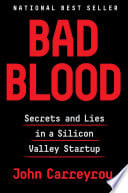
92%
Bad Blood
John Carreyrou
An investigative account of the Theranos scandal, exposing scientific fraud and ethical violations in medical technology. The book reveals how unchecked ambition and deception can corrupt scientific innovation. It explores themes of medical ethics, corporate misconduct, and the human stories behind scientific breakthroughs.
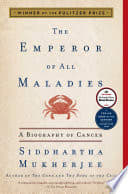
92%
The Emperor of All Maladies
Siddhartha Mukherjee
A comprehensive 'biography' of cancer, tracing its medical history and scientific understanding. The book reveals the complex human stories behind cancer research and treatment. It explores medical progress, scientific challenges, and the ongoing human struggle against disease.
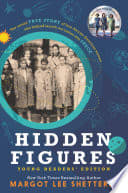
90%
Hidden Figures
Margot Lee Shetterly
A powerful non-fiction narrative about African American women mathematicians who were crucial to NASA's space program. The book reveals the untold stories of brilliant scientists who overcame racial and gender barriers. It explores themes of scientific achievement, racial injustice, and hidden historical contributions.
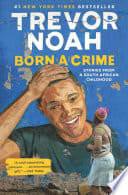
90%
Born a Crime
Trevor Noah
A memoir about growing up mixed-race during apartheid in South Africa. The book reveals personal experiences of racial injustice and systemic oppression. It explores themes of identity, resilience, and social transformation through a deeply personal narrative.
88%
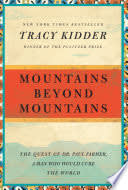
Mountains Beyond Mountains
Tracy Kidder
A biographical account of Dr. Paul Farmer's medical humanitarian work in Haiti and global health initiatives. The book explores medical ethics, social justice, and individual commitment to addressing global health inequalities. It reveals the profound impact one person can have on challenging systemic healthcare disparities.
88%
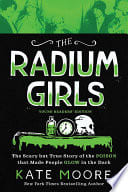
The Radium Girls
Kate Moore
A tragic account of women workers who were poisoned by radium while painting watch dials in the early 20th century. The book reveals scientific negligence, labor exploitation, and women's fight for justice. It explores themes of medical ethics and workers' rights.
84%
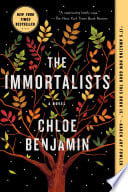
The Immortalists
Chloe Benjamin
A novel exploring how knowledge of one's predicted death date impacts life choices and personal destiny. The narrative follows four siblings wrestling with prophecy, scientific skepticism, and personal belief. It examines themes of fate, medical understanding, and individual agency.
No account connected — sign in to comment.