
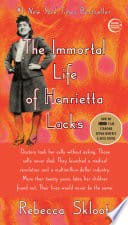
Documents the story of how scientists took cells from an unsuspecting descendant of freed slaves and created a human cell line that has been kept alive indefinitely, enabling numerous medical and scientific discoveries.
4.7/5
Average Rating
Informations
Genre
Biography & Autobiography
Published01 janvier 2017
Recommendations14
About the author
Rebecca Skloot
Author
Rebecca L. Skloot is an American science writer who specializes in science and medicine. Her first book, The Immortal Life of Henrietta Lacks (2010), was one of the best-selling new books of 2010, staying on The New York Times Bestseller list for over 6 years and eventually reaching #1. It was adapted into a movie by George C. Wolfe, which premiered on HBO on April 22, 2017, and starred Rose Byrne as Skloot, and Oprah Winfrey as Lacks's daughter Deborah.
The Immortal Life of Henrietta Lacks
by Rebecca Skloot
Biography & Autobiography
Books Like The Immortal Life of Henrietta Lacks
If you're looking for books similar to The Immortal Life of Henrietta Lacks, here are some recommendations based on themes, tone, and narrative style.
Top 1
94%
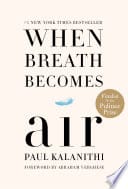
When Breath Becomes Air
Paul Kalanithi
A memoir by a neurosurgeon facing terminal cancer, exploring mortality, medical profession, and personal meaning. The book offers a profound reflection on life, death, and the human experience within medical contexts. It shares Skloot's ability to humanize scientific and medical narratives.
Top 2
92%
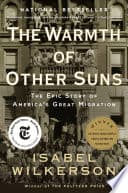
The Warmth of Other Suns
Isabel Wilkerson
A comprehensive account of the Great Migration of African Americans from the South to northern and western cities. The book weaves personal stories with historical context, much like Skloot's approach to Henrietta Lacks' story. It explores themes of racial inequality, personal resilience, and systemic challenges faced by Black Americans.
Top 3
92%
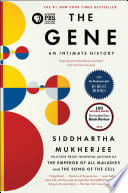
The Gene
Siddhartha Mukherjee
A comprehensive exploration of genetic science, its history, and ethical implications. Mukherjee provides a deep dive into the scientific understanding of heredity, blending personal narrative with scientific explanation. The book mirrors Skloot's approach of making complex scientific concepts accessible and human-centered.
92%
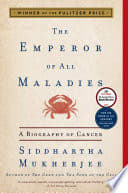
Emperor of All Maladies
Siddhartha Mukherjee
A comprehensive 'biography' of cancer, tracing its historical, scientific, and human dimensions. Mukherjee provides a nuanced exploration of medical research, patient experiences, and scientific progress. The book shares Skloot's narrative approach of making complex medical topics deeply personal and engaging.
90%
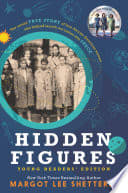
Hidden Figures
Margot Lee Shetterly
A powerful narrative about African American women mathematicians who played crucial roles at NASA during the Space Race. The book reveals untold stories of scientific contribution and racial barriers, similar to Skloot's exploration of marginalized individuals in scientific history. It highlights the often-overlooked contributions of Black professionals in scientific fields.
90%
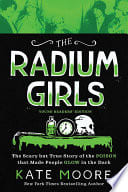
The Radium Girls
Kate Moore
A harrowing account of women workers who were poisoned by radium while painting watch dials in the early 20th century. The book reveals the human cost of scientific ignorance and corporate negligence. It parallels Skloot's work in exposing historical medical injustices and marginalized experiences.
90%
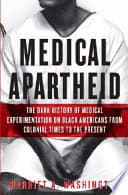
Medical Apartheid
Harriet Washington
A comprehensive history of medical experimentation on African Americans. Washington reveals systemic racism in medical research and practice, providing crucial context for understanding stories like Henrietta Lacks'. The book offers a deep, scholarly examination of medical ethics and racial injustice.
88%
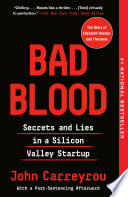
Bad Blood
John Carreyrou
An investigative account of the Theranos scandal, revealing unethical practices in medical technology and research. The book exposes systemic problems in scientific research, medical ethics, and corporate accountability. It shares similarities with Skloot's work in uncovering hidden narratives and challenging scientific misconduct.
88%
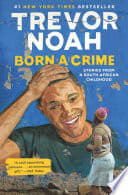
Born a Crime
Trevor Noah
A memoir about growing up mixed-race during apartheid in South Africa. While not strictly medical, the book explores systemic inequality and personal resilience. It resonates with Skloot's themes of marginalization, individual agency, and the broader social contexts that shape human experiences.
86%
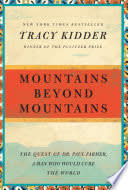
Mountains Beyond Mountains
Tracy Kidder
A biographical account of Dr. Paul Farmer's humanitarian medical work in Haiti and globally. The book examines medical ethics, social justice, and the challenges of providing healthcare in underserved communities. It shares Skloot's commitment to telling compelling human stories within medical and scientific contexts.
86%
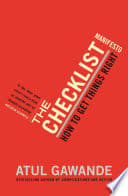
The Checklist Manifesto
Atul Gawande
An exploration of how systematic approaches can improve performance in complex fields like medicine. Gawande examines the power of simple organizational tools in reducing errors and improving outcomes. The book shares Skloot's interest in the human systems underlying medical practice.
84%
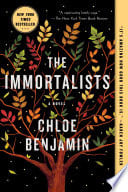
The Immortalists
Chloe Benjamin
A novel exploring the intersection of science, destiny, and human mortality. The story follows four siblings who learn their death dates and how this knowledge shapes their lives. While fictional, it resonates with themes of medical ethics, personal agency, and the complex relationship between science and human experience.
84%
Brain on Fire
Susannah Cahalan
A journalist's memoir of her mysterious neurological illness and medical journey. The book provides a first-person account of medical investigation, diagnostic challenges, and personal resilience. It mirrors Skloot's narrative style of blending personal story with scientific exploration.
82%
The Immortal Life of Cells
Robin Cook
A fictional exploration of medical ethics and cellular research, inspired by real scientific developments. The novel examines the complex moral landscape of medical innovation, resonating with themes from Skloot's groundbreaking work. It probes the human stories behind scientific advancement.
No account connected — sign in to comment.