
Explores neurological disorders and their effects upon the minds and lives of those affected with an entertaining voice.
4.7/5
Average Rating
Informations
Genre
Biography & Autobiography
Published01 janvier 1998
Recommendations14
About the author
Oliver Sacks
Author
Oliver Wolf Sacks was a British neurologist, naturalist, historian of science, and writer.
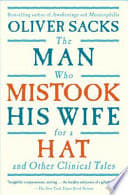
The Man Who Mistook His Wife For A Hat: And Other Clinical Tales
by Oliver Sacks
Biography & Autobiography
Books Like The Man Who Mistook His Wife For A Hat: And Other Clinical Tales
If you're looking for books similar to The Man Who Mistook His Wife For A Hat: And Other Clinical Tales, here are some recommendations based on themes, tone, and narrative style.
Top 1
94%
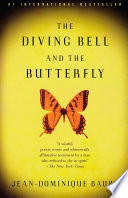
The Diving Bell and the Butterfly
Jean-Dominique Bauby
A memoir written by a man with locked-in syndrome, revealing the power of mental resilience. Bauby communicates entirely by blinking, creating a profound meditation on consciousness and perception. The book provides an intimate look at neurological challenges and human spirit. Its exploration of perception resonates with Sacks' work.
Top 2
92%
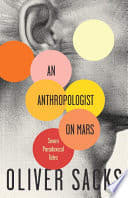
An Anthropologist on Mars
Oliver Sacks
Another groundbreaking work by Sacks exploring neurological conditions through compassionate storytelling. The book delves into the lives of individuals with unique neurological experiences, revealing the complexity of human perception and adaptation. Sacks uses detailed case studies to illuminate the extraordinary ways the brain can function and adapt. Each chapter provides deep insights into the human mind's resilience and diversity.
Top 3
92%
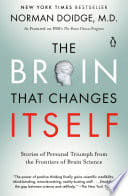
The Brain That Changes Itself
Norman Doidge
A comprehensive look at neuroplasticity and the brain's ability to reorganize itself. Doidge explores how the brain can heal and adapt through remarkable case studies. The book reveals the incredible flexibility of human neural networks. Its approach of using personal stories to explain scientific concepts is similar to Sacks' style.
90%
Brain on Fire: My Month of Madness
Susannah Cahalan
A journalist's personal account of a rare neurological disorder that dramatically altered her perception and mental state. The book explores medical mystery, personal struggle, and the complexity of brain function. Cahalan's narrative provides an intimate look at neurological challenges and medical diagnosis. Her story resonates with Sacks' approach of humanizing medical conditions.
90%
The Mind's Eye
Oliver Sacks
Another Sacks work exploring perception, focusing on visual processing and neurological experiences. The book examines how individuals adapt to and experience visual challenges. Sacks uses personal stories to illuminate complex neurological concepts. It continues his approach of combining scientific insight with compassionate storytelling.
90%
Awakenings
Oliver Sacks
Sacks' groundbreaking account of patients with encephalitis lethargica and their remarkable recovery. The book explores the human capacity for adaptation and medical breakthrough. Sacks provides deep insights into neurological conditions and human resilience. It exemplifies his approach of combining medical observation with compassionate storytelling.
90%
The Brain: The Story of You
David Eagleman
A comprehensive exploration of how the brain creates our perception of reality. Eagleman reveals the complex mechanisms behind human experience and consciousness. The book combines scientific insight with accessible storytelling. Its approach of explaining neurological concepts through engaging narratives is similar to Sacks' style.
88%
The Tell-Tale Brain
V.S. Ramachandran
A neuroscientist's exploration of brain function, perception, and neurological disorders. Ramachandran uses fascinating case studies to explain complex neurological phenomena. The book combines scientific rigor with compelling storytelling, similar to Sacks' approach. It reveals the intricate workings of the human brain through unique patient experiences.
88%
Musicophilia
Oliver Sacks
An exploration of music's impact on the brain and neurological conditions related to musical perception. Sacks investigates how the brain processes and experiences music through fascinating case studies. The book reveals the profound connections between neurology and musical experience. It demonstrates Sacks' skill in making complex neurological concepts accessible.
88%
Born on a Blue Day
Daniel Tammet
A memoir by an individual with autism and savant syndrome, exploring unique neurological experiences. Tammet provides insights into different modes of perception and thinking. The book reveals the extraordinary capabilities of the human brain. Its personal approach to explaining neurological differences mirrors Sacks' style.
88%
Hallucinations
Oliver Sacks
An exploration of various types of hallucinations and their neurological origins. Sacks investigates how the brain can create experiences that feel real but are not. The book provides insights into perception, consciousness, and neurological conditions. It continues Sacks' approach of humanizing complex medical experiences.
88%
The Man Who Knew Too Much
David Eagleman
An investigation into how the brain processes information and creates our understanding of the world. Eagleman explores the mechanisms of perception and consciousness. The book reveals the extraordinary complexity of human neural processing. Its approach of using scientific insights to explain human experience resonates with Sacks' work.
86%
Phantoms in the Brain
V.S. Ramachandran
An investigation into neurological conditions that challenge our understanding of perception and consciousness. Ramachandran explores bizarre neurological phenomena through engaging case studies. The book reveals how brain disorders can provide insights into normal brain function. Its approach of using individual stories to explain broader neurological concepts mirrors Sacks' style.
86%
The Tale of the Dueling Neurosurgeons
Sam Kean
A historical exploration of brain science through fascinating medical stories. Kean reveals how neurological case studies have shaped our understanding of the brain. The book combines scientific insight with engaging storytelling. Its approach of using individual stories to explain broader concepts is similar to Sacks' method.
No account connected — sign in to comment.