
-- Presents the most important 20th-century criticism on major works from The Odyssey through modern literature-- The critical essays reflect a variety of schools of criticism-- Contains critical biographies, notes on the contributing critics, a chronology of the author's life, and an index Copyright © Libri GmbH. All rights reserved.
4.5/5
Average Rating
Informations
Genre
Drama
Published01 octobre 1977
Recommendations14
About the author
Franz Kafka
Author
Franz Kafka was a German-language Jewish Czech writer and novelist born in Prague, in the Austro-Hungarian Empire. Widely regarded as a major figure of 20th-century literature, his work fuses elements of realism and the fantastique, and typically features isolated protagonists facing bizarre or surreal predicaments and incomprehensible socio-bureaucratic powers. The term Kafkaesque has entered the lexicon to describe situations like those depicted in his writings. His best-known works include the novella The Metamorphosis (1915) and the novels The Trial (1924) and The Castle (1926). His work has widely influenced artists, philosophers, composers, filmmakers, literary historians, religious scholars, and cultural theorists.
The Metamorphosis
by Franz Kafka
Drama
Books Like The Metamorphosis
If you're looking for books similar to The Metamorphosis, here are some recommendations based on themes, tone, and narrative style.
Top 1

94%
Crime and Punishment
Fyodor Dostoevsky
A psychological novel examining moral isolation and inner transformation. Raskolnikov commits a murder and experiences profound psychological disintegration, similar to Gregor's metamorphosis. The novel delves into the protagonist's mental state, exploring themes of guilt, alienation, and personal redemption. Its intense psychological exploration mirrors Kafka's deep character introspection.
Top 2

94%
1984
George Orwell
A dystopian novel about individual resistance to systemic dehumanization. Winston Smith struggles against a totalitarian system that seeks to control individual thought and identity. Similar to Kafka's work, it explores psychological transformation under extreme social pressures. The novel examines how institutional systems can fundamentally alter human experience and perception.
Top 3

92%
The Trial
Franz Kafka
Another Kafka masterpiece exploring bureaucratic absurdity and individual powerlessness. The protagonist Josef K. is arrested and prosecuted by a remote, inaccessible authority without understanding the charges against him. The novel examines themes of alienation, existential anxiety, and the incomprehensible nature of institutional systems. Its surreal and nightmarish narrative mirrors the psychological transformation in The Metamorphosis.

92%
Invisible Man
Ralph Ellison
A profound exploration of individual identity and societal marginalization. The unnamed protagonist experiences profound alienation and struggles to define himself in a society that refuses to acknowledge his humanity. Like Gregor Samsa, he undergoes a psychological transformation that renders him invisible to mainstream society. The novel examines the psychological impact of systemic dehumanization.
92%
The Road
Cormac McCarthy
A post-apocalyptic novel about survival and human transformation. A father and son navigate a devastated landscape, experiencing profound psychological and physical changes. Similar to Kafka's work, it explores how extreme circumstances can fundamentally alter human experience. The narrative examines resilience, identity, and the psychological impact of radical environmental shifts.
90%
One Hundred Years of Solitude
Gabriel García Márquez
A magical realist novel exploring familial isolation and individual transformation. The Buendía family experiences extraordinary events that blur reality and fantasy, much like Kafka's surreal narrative style. The book examines how individuals are shaped by their environments and familial histories. Its intricate exploration of psychological landscapes resonates with Kafka's approach to character development.
90%
The Castle
Franz Kafka
Another Kafka novel exploring bureaucratic absurdity and individual powerlessness. The protagonist struggles to gain access to an impenetrable administrative system, experiencing constant frustration and alienation. Similar to The Metamorphosis, it presents a surreal world where normal rules of logic and communication break down. The novel examines the individual's futile attempts to understand incomprehensible systems.

90%
Brave New World
Aldous Huxley
A dystopian novel exploring individual identity in a mechanized society. Individuals are systematically dehumanized and transformed by technological and social systems. Like The Metamorphosis, it examines how external forces can fundamentally alter human experience. The novel presents a world where personal autonomy is gradually eroded by institutional mechanisms.

88%
The Stranger
Albert Camus
A seminal existentialist novel about emotional detachment and societal expectations. Meursault, the protagonist, displays an unusual indifference to life's events, similar to Gregor's passive acceptance of his transformation. The novel explores themes of absurdity, individual isolation, and the meaninglessness of social conventions. Camus presents a character who refuses to conform to expected emotional responses.
88%
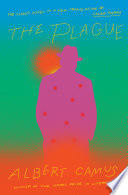
The Plague
Albert Camus
An existentialist novel about human responses to inexplicable circumstances. A mysterious plague descends on a town, forcing inhabitants to confront their mortality and social connections. Similar to Kafka's work, it explores how individuals react to incomprehensible, transformative events. The narrative examines human resilience and the psychological impact of radical, uncontrollable change.

88%
Heart of Darkness
Joseph Conrad
A novella exploring psychological transformation in extreme circumstances. Marlow's journey into colonial Africa reveals the fragility of human civilization and individual identity. Like The Metamorphosis, it examines how external environments can fundamentally alter psychological states. The narrative explores the thin line between civilization and primal human nature.

86%
Notes from Underground
Fyodor Dostoevsky
A psychological exploration of alienation and existential despair. The narrator is a bitter, isolated individual who struggles with societal expectations and his own inner turmoil. Like Kafka's work, it delves deep into human psychological fragmentation and the individual's sense of disconnection from society. The novella challenges traditional narrative structures and provides a raw, introspective look at human nature.

86%
Blindness
José Saramago
A dystopian novel about societal breakdown and human vulnerability. An unexplained epidemic of blindness causes social structures to collapse, revealing human nature's fragility. Like The Metamorphosis, it explores sudden, inexplicable transformations and their psychological impacts. The narrative examines how individuals respond to radical, incomprehensible changes in their existence.

84%
Steppenwolf
Hermann Hesse
A profound exploration of an individual's internal conflict between rational and primitive impulses. The protagonist Harry Haller feels trapped between bourgeois society and his intellectual, artistic nature. Like Gregor Samsa's transformation, the novel examines personal alienation and the struggle to find meaning. It offers a deep psychological portrait of a character feeling fundamentally disconnected from his environment.
No account connected — sign in to comment.