
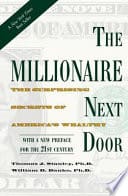
"Why aren't I as wealthy as I should be?" Many people ask this question of themselves all the time. Often they are hard-working, well educated middle- to high-income people. Why, then, are so few affluent. For nearly two decades the answer has been foundin the bestselling The Millionaire Next Door: The Surprising Secrets of America's Wealthy, reissued with a new foreword for the twenty-first century by Dr. Thomas J. Stanley. According to the authors, most people have it all wrong about how you become wealthy in America. Wealth in America is more often the result of hard work, diligent savings, and living below your means than it is about inheritance, advance degrees, and even intelligence. The Millionaire Next Door identifies seven common traits that show up again and again among those who have accumulated wealth. You will learn, for example, that millionaires bargain shop for used cars, pay a tiny fraction of their wealth in income tax, raise children who are often unaware of their family'swealth until they are adults, and, above all, reject the big-spending lifestyles most of us associate with rich people. In fact, you will learn that the flashy millionaires glamorized in the media represent only a tiny minority of America's rich. Most ofthe truly wealthy in this country don't live in Beverly Hills or on Park Avenue-they live next door.
Average Rating
Informations
About the author
Thomas J. Stanley
Author
Thomas J. Stanley was an American writer and business theorist. He was the author and co-author of several award-winning books on America's wealthy, including the New York Times’ best sellers The Millionaire Next Door and The Millionaire Mind. He served as chief advisor to Data Points, a company founded based on his research and data. He received a doctorate in business administration from the University of Georgia. He was on the faculty of the University at Albany, State University of New York. He taught marketing at the University of Tennessee, University of Georgia and Georgia State University.
The Millionaire Next Door
by Thomas J. Stanley
Books Like The Millionaire Next Door
If you're looking for books similar to The Millionaire Next Door, here are some recommendations based on themes, tone, and narrative style.
The Intelligent Investor
Benjamin Graham
A seminal work on value investing and long-term financial strategy. Graham provides fundamental principles for intelligent investment, emphasizing careful analysis and disciplined approach to the stock market. The book is considered a cornerstone of value investing philosophy.
The Psychology of Money
Morgan Housel
Explores the emotional and psychological factors that influence financial decision-making. Housel provides insights into how people think about money and why they make certain financial choices. The book offers a nuanced understanding of wealth-building beyond traditional financial advice.
The Richest Man in Babylon
George S. Clason
A classic financial advice book presented through parables set in ancient Babylon. The book offers timeless wisdom about saving, investing, and building wealth through simple, practical principles. It teaches fundamental financial lessons through engaging storytelling.
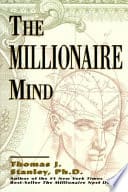
The Millionaire Mind
Thomas J. Stanley
A companion to The Millionaire Next Door, this book delves deeper into the psychological traits of wealthy individuals. Stanley explores the thinking patterns, habits, and strategies that contribute to financial success. It provides insights into how millionaires think about money, success, and life.
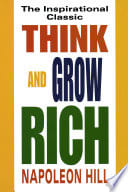
Think and Grow Rich
Napoleon Hill
A landmark personal development and financial success book that explores the psychological aspects of wealth creation. Hill examines the mental attitudes and approaches that distinguish successful individuals. The book emphasizes the power of positive thinking and goal-setting in achieving financial success.
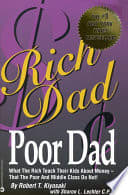
Rich Dad Poor Dad
Robert Kiyosaki
A groundbreaking personal finance book that challenges traditional views about money and wealth. Kiyosaki shares lessons learned from two father figures, contrasting financial mindsets and approaches to earning and investing. The book emphasizes financial literacy, asset building, and breaking free from the rat race of traditional employment.
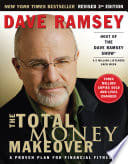
The Total Money Makeover
Dave Ramsey
A practical guide to getting out of debt and building financial stability. Ramsey provides a step-by-step plan for eliminating debt, saving money, and creating a solid financial foundation. The book emphasizes discipline, frugality, and strategic financial planning.
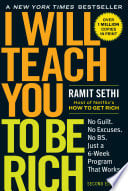
I Will Teach You to Be Rich
Ramit Sethi
A practical guide to personal finance for young professionals, offering specific strategies for banking, saving, and investing. Sethi provides actionable advice tailored to modern financial challenges. The book emphasizes automation, conscious spending, and strategic financial planning.
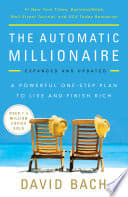
The Automatic Millionaire
David Bach
Provides a simple, powerful strategy for building wealth through automatic savings and investment techniques. Bach demonstrates how ordinary people can create extraordinary wealth by making small, consistent financial choices. The book focuses on creating financial systems that work without constant manual intervention.
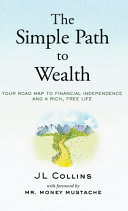
The Simple Path to Wealth
JL Collins
Offers a straightforward approach to investing and building wealth through index fund investing. Collins provides clear, actionable advice for long-term financial independence. The book emphasizes low-cost, simple investment strategies that can help ordinary people build significant wealth over time.
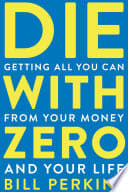
Die with Zero
Bill Perkins
Challenges traditional views about saving and spending, arguing for maximizing life experiences while maintaining financial responsibility. Perkins provides a unique perspective on balancing wealth accumulation with personal fulfillment. The book offers a fresh approach to thinking about money and life goals.
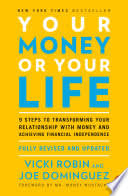
Your Money or Your Life
Vicki Robin
Explores the relationship between money, work, and personal fulfillment. The book challenges readers to examine their spending habits and align their financial choices with their true values. It offers a transformative approach to personal finance that goes beyond mere accumulation of wealth.
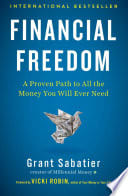
Financial Freedom
Grant Sabatier
A modern guide to achieving financial independence at a young age. Sabatier shares his personal journey from broke to financially independent, offering practical strategies for increasing income and reducing expenses. The book provides a comprehensive approach to building wealth in the modern economy.
No account connected — sign in to comment.