
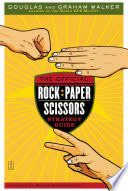
Rock Paper Scissors (RPS), the ultimate decision-making tool, is played the world over. By the late twentieth century, however, the sport's illustrious governing body, the World Rock Paper Scissors Society, had fallen on hard times. It was then that brothers Douglas and Graham Walker boldly took up the challenge to restore the World RPS Society to its former glory, and now they bring you the ultimate strategy guide to this time-honored game. The Official Rock Paper Scissors Strategy Guide covers the whole RPS scene from the school yard to the pro level, including RPS culture around the world, the personality behind each throw, and secrets of the RPS masters. Learn how to intimidate your opponent and anticipate his next move. Get the answers to burning questions such as "Does Rock crush Scissors, or are Scissors dulled by Rock?" and "Who invented RPS?" Forget about flipping a coin or consulting your Magic 8 Ball -- Rock Paper Scissors is the only decision-making tool anyone needs.
Average Rating
Informations
About the author
Douglas Walker, Graham Walker
Author
The Official Rock Paper Scissors Strategy Guide
by Douglas Walker, Graham Walker
Books Like The Official Rock Paper Scissors Strategy Guide
If you're looking for books similar to The Official Rock Paper Scissors Strategy Guide, here are some recommendations based on themes, tone, and narrative style.
Thinking, Fast and Slow
Daniel Kahneman
A comprehensive study of human thought processes, exploring the two systems that drive decision-making. The book reveals the complex mechanisms behind human choices and cognitive biases. Its deep dive into decision-making strategies complements the RPS guide's analytical approach.
Moneyball
Michael Lewis
A groundbreaking book about using statistical analysis to gain competitive advantages in baseball. The book reveals how unconventional strategies can transform traditional approaches to competition. Its analytical perspective on game strategy resonates with the RPS guide's systematic approach to understanding game dynamics.
The Black Swan
Nassim Nicholas Taleb
A provocative exploration of rare and unpredictable events that have massive impacts. The book challenges traditional thinking about probability and risk. Its unconventional perspective on understanding complex systems resonates with the RPS guide's playful approach to strategic thinking.
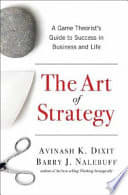
The Art of Strategy
Avinash K. Dixit
A comprehensive exploration of strategic thinking that goes beyond traditional game theory. The book breaks down complex decision-making processes into accessible concepts. It provides readers with insights into predicting opponents' moves and making strategic choices, which parallels the RPS guide's approach to understanding game dynamics.
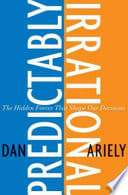
Predictably Irrational
Dan Ariely
A fascinating exploration of human behavior and the hidden forces that shape our decisions. The book reveals the often illogical patterns underlying human choice-making. Its psychological insights align with the RPS guide's approach to understanding strategic interactions.
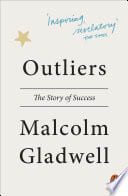
Outliers
Malcolm Gladwell
An investigation into the factors that contribute to high levels of success, exploring how extraordinary achievements are shaped by hidden advantages and cultural legacies. The book reveals unexpected patterns of success and strategic positioning. Its insights into competitive dynamics complement the RPS guide's approach to understanding game strategies.
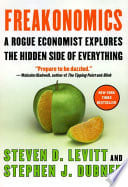
Freakonomics
Steven D. Levitt
An innovative book that applies economic analysis to unexpected areas of human behavior. The authors explore hidden patterns and unconventional perspectives in everyday situations. Its playful approach to understanding complex systems resonates with the RPS guide's method of dissecting a seemingly simple game.
The Wisdom of Crowds
James Surowiecki
An examination of collective intelligence and how groups can make better decisions than individual experts. The book explores unexpected patterns of decision-making and strategic thinking. Its insights into group dynamics complement the RPS guide's exploration of competitive interactions.
How to Cheat at Everything
Simon Lovell
A tongue-in-cheek manual that reveals insider strategies for various games and social situations. The book combines humor with practical advice about gaming systems and psychological tactics. Its irreverent tone and strategic insights make it a perfect companion for those who enjoy unconventional guidebooks with a competitive edge.
Blink
Malcolm Gladwell
An exploration of rapid cognition and intuitive decision-making processes. The book examines how humans make split-second judgments and the power of thinking without overthinking. Its insights into quick decision-making strategies align with the RPS guide's approach to understanding game dynamics.
Improbable
Adam Fawer
A novel that explores probability, randomness, and strategic thinking through a complex narrative about a mathematician who can predict future outcomes. The book blends scientific concepts with thrilling storytelling. Its exploration of probability and human decision-making mirrors the RPS guide's analytical approach to a seemingly random game.
The Pocket Guide to Stupid Sports
Karl Manders
A humorous exploration of quirky and unconventional sports that takes a lighthearted look at games often overlooked by mainstream athletics. The book celebrates the absurd and entertaining world of niche competitive activities. It provides witty insights into unusual sports and their unique cultures, much like the RPS guide's playful approach to a seemingly simple game.
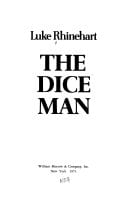
The Dice Man
Luke Rhinehart
A satirical novel about a psychiatrist who makes life decisions by rolling dice, challenging traditional decision-making processes. The book explores themes of randomness and choice in a humorous and provocative manner. Its playful approach to decision-making aligns with the RPS guide's spirit of turning a simple game into a strategic endeavor.
The Game
Neil Strauss
A non-fiction book about the world of pickup artists that reveals intricate social strategies and psychological manipulation. The book explores human interaction through a lens of calculated approaches and psychological tactics. Its strategic insights into social dynamics complement the RPS guide's approach to understanding competitive interactions.
No account connected — sign in to comment.