
Mansfield's translation of this classic work, in combination with the new material added for this edition, makes it the definitive version of The Prince, indispensable to scholars, students, and lovers of the dark art of politics.
4.5/5
Average Rating
Informations
Genre
Philosophy
Published01 septembre 1998
Recommendations14
About the author
Niccolò Machiavelli
Author
Niccolò di Bernardo dei Machiavelli was a Florentine diplomat, author, philosopher, and historian who lived during the Italian Renaissance. He is best known for his political treatise The Prince, written around 1513 but not published until 1532, five years after his death. He has often been called the father of modern political philosophy and political science.
The Prince
by Niccolò Machiavelli
Philosophy
Books Like The Prince
If you're looking for books similar to The Prince, here are some recommendations based on themes, tone, and narrative style.
Top 1
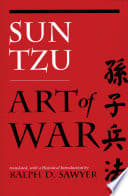
94%
The Art of War
Sun Tzu
A classic treatise on military strategy and political power. Like Machiavelli's work, it offers profound insights into leadership, strategy, and human nature. The book provides strategic principles applicable to politics, business, and personal conflict. Its timeless wisdom explores how to gain and maintain power through strategic thinking and psychological manipulation.
Top 2

94%
The Politics
Aristotle
A foundational text in political philosophy examining different forms of government. Aristotle analyzes various political systems and their strengths and weaknesses. The work provides deep insights into political theory and governance. It shares Machiavelli's interest in understanding political power and institutional design.
Top 3
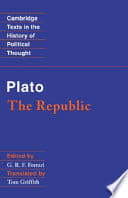
92%
Republic
Plato
A foundational philosophical text exploring ideal governance and political theory. Plato examines the nature of justice, leadership, and societal organization through philosophical dialogue. The work critically analyzes different forms of government and the qualities of an ideal ruler. It shares Machiavelli's deep interest in political philosophy and leadership dynamics.
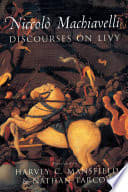
92%
The Discourses
Niccolò Machiavelli
Machiavelli's companion work to The Prince, offering a more comprehensive analysis of republican government. The book explores political systems, historical examples, and principles of effective governance. It provides deeper insights into Machiavelli's political philosophy beyond The Prince. The text demonstrates a more nuanced view of political power and institutional design.
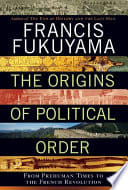
92%
The Origins of Political Order
Francis Fukuyama
An in-depth exploration of political institutions' historical development. Fukuyama traces the emergence of political systems across different civilizations. The book offers a comprehensive analysis of political evolution that complements Machiavelli's insights. It examines how societies develop political structures and maintain social order.
92%
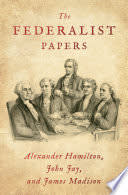
The Federalist Papers
Alexander Hamilton, James Madison, John Jay
A collection of essays exploring constitutional governance and political philosophy. The authors analyze the principles of republican government and institutional design. The work provides practical insights into political system construction. It reflects Machiavelli's interest in effective governance and political strategy.
90%
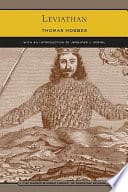
Leviathan
Thomas Hobbes
A seminal work of political philosophy examining social contract theory and sovereign power. Hobbes argues for strong centralized government as a means of maintaining social order. The book explores human nature, political legitimacy, and the relationship between individuals and the state. Its pragmatic approach to political power resonates with Machiavelli's realist perspective.
90%
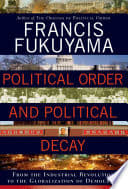
Political Order and Political Decay
Francis Fukuyama
A comprehensive examination of political development and institutional evolution. Fukuyama analyzes how political systems emerge, develop, and sometimes decline. The book provides a modern perspective on political theory similar to Machiavelli's analytical approach. It explores the complex dynamics of state formation and political institutions.
90%
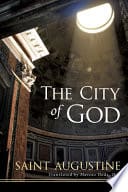
The City of God
Augustine of Hippo
A philosophical and theological exploration of political and social order. Augustine examines the relationship between spiritual and temporal power. The book offers a profound analysis of human society and governance. It provides a different perspective on political philosophy that complements Machiavelli's pragmatic approach.
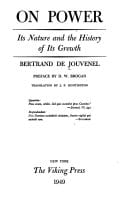
88%
On Power
Bertrand de Jouvenel
An analytical exploration of political power's nature and evolution. The book examines how political institutions develop and maintain control. Jouvenel provides a sophisticated analysis of power dynamics similar to Machiavelli's approach. It offers critical insights into the mechanisms of political authority and social control.
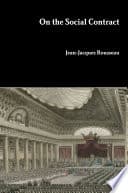
88%
The Social Contract
Jean-Jacques Rousseau
A critical examination of political legitimacy and social organization. Rousseau explores the relationship between individuals and political institutions. The book offers a philosophical perspective on governance and political power. It provides a different but complementary view to Machiavelli's pragmatic approach.
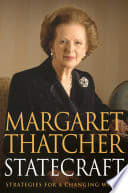
88%
Statecraft
Margaret Thatcher
A modern perspective on political leadership and strategic governance. Thatcher shares insights from her experience as a political leader. The book explores practical approaches to political strategy and leadership. It offers a contemporary view that resonates with Machiavelli's pragmatic political philosophy.
86%
The Ruler's Guide
Basil Liddell Hart
A strategic analysis of leadership and power across historical contexts. The book draws lessons from military and political leaders throughout history. It explores effective leadership strategies and power dynamics from a strategic perspective. The work shares Machiavelli's interest in practical approaches to governance and leadership.
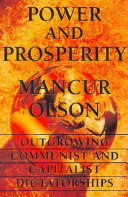
86%
Power and Prosperity
Mancur Olson
An economic analysis of political power and institutional development. Olson examines how political structures impact economic outcomes. The book provides insights into the relationship between political power and economic performance. It shares Machiavelli's interest in practical approaches to governance.
No account connected — sign in to comment.