
Whether set in ancient Egypt, Feudal Japan, the Victorian Age, or Civil War-era America, historical fiction places readers squarely at the center of fascinating times and places, making it one of the most popular genres in contemporary publishing. The definitive resource for librarians and other book professionals, this guideProvides an overview of historical fiction’s roots, highlighting foundational classics, and explores the genre in terms of its scope and styleCovers the latest and most popular authors and titlesDiscusses appeal characteristics and shows how librarians can use a reader's favorite qualities to make suggestionsIncludes lists of recommendations, with a compendium of print and web-based resourcesOffers marketing tips for getting the word out to readersEmphasizing an appreciation of historical fiction in its many forms and focusing on what fans enjoy, this guide provides a fresh take on a durable genre.
Average Rating
Informations
About the author
Jennifer S. Baker
Author
Jennifer S. Baker is the fifth director of athletics and recreation at Johns Hopkins University for the Johns Hopkins Blue Jays.
The Readers’ Advisory Guide to Historical Fiction
by Jennifer S. Baker
Books Like The Readers’ Advisory Guide to Historical Fiction
If you're looking for books similar to The Readers’ Advisory Guide to Historical Fiction, here are some recommendations based on themes, tone, and narrative style.
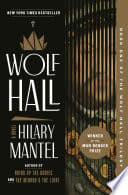
Wolf Hall
Hilary Mantel
A masterful historical novel exploring the life of Thomas Cromwell during the tumultuous Tudor period. Mantel offers a deeply researched and nuanced portrayal of political intrigue in Henry VIII's court. The book provides an intimate look at historical power dynamics and personal ambition. It brings historical figures to life with remarkable depth and complexity. A landmark work of historical fiction that reimagines a well-known historical period.
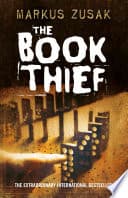
The Book Thief
Markus Zusak
Set in Nazi Germany, this novel follows a young girl who finds solace in stealing and sharing books during World War II. Narrated by Death, the story offers a unique perspective on human resilience during one of history's darkest periods. The book explores themes of language, survival, and the power of storytelling. It provides a deeply emotional and humanizing view of individuals caught in historical tragedy. A poignant examination of humanity's capacity for both cruelty and compassion.
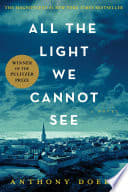
All the Light We Cannot See
Anthony Doerr
A beautifully written novel set during World War II, following a blind French girl and a German boy whose paths eventually cross. The book explores individual human experiences against the backdrop of global conflict. Doerr provides a nuanced, compassionate view of historical events through personal stories. The narrative highlights human connection and resilience during extreme circumstances. A lyrical and deeply moving historical narrative.
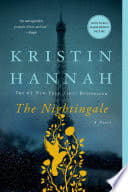
The Nightingale
Kristin Hannah
A powerful novel set in France during World War II, focusing on two sisters' experiences of resistance and survival. Hannah provides an intimate exploration of women's experiences during wartime. The narrative demonstrates individual courage and resilience against historical oppression. It offers a nuanced view of personal experiences during global conflict. A deeply emotional exploration of historical resistance.
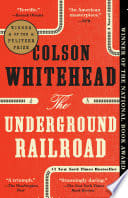
The Underground Railroad
Colson Whitehead
A powerful reimagining of the historical Underground Railroad as a literal subterranean train system. Whitehead provides a surreal yet deeply meaningful exploration of slavery and resistance. The narrative challenges traditional historical representations of American slavery. It demonstrates the power of historical fiction to illuminate complex historical experiences. A profound exploration of historical trauma and human resilience.
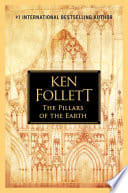
Pillars of the Earth
Ken Follett
An epic historical novel set in 12th-century England during the construction of a cathedral. The book intricately weaves together the lives of various characters against the backdrop of medieval social and architectural challenges. Follett provides a rich, detailed exploration of medieval life, politics, and architectural innovation. The narrative demonstrates how individual stories intersect with broader historical movements. A comprehensive and immersive historical narrative.
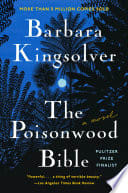
The Poisonwood Bible
Barbara Kingsolver
A novel following a missionary family in the Belgian Congo during the period of independence and political transformation. Kingsolver explores colonialism, cultural misunderstanding, and personal transformation through multiple narrative perspectives. The book provides a nuanced view of historical and cultural complexity. It demonstrates how individual experiences intersect with broader historical movements. A powerful exploration of cultural encounter and personal adaptation.
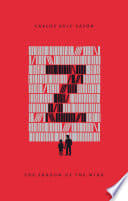
The Shadow of the Wind
Carlos Ruiz Zafón
Set in post-Spanish Civil War Barcelona, this novel explores the power of books and memory. The narrative follows a young man's mysterious quest involving a forgotten author and hidden manuscripts. Zafón provides a rich, atmospheric exploration of historical Barcelona. The book demonstrates how personal stories can illuminate broader historical experiences. A lyrical exploration of literature, memory, and historical transformation.
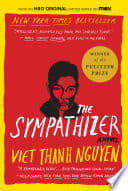
The Sympathizer
Viet Thanh Nguyen
A novel exploring the Vietnamese experience during and after the Vietnam War, told from a complex, ambiguous perspective. Nguyen provides a nuanced exploration of political and cultural complexity. The narrative challenges traditional historical narratives about the war. It demonstrates how individual experiences can illuminate broader historical contexts. A sophisticated exploration of identity and historical transformation.
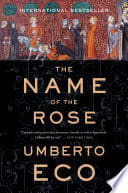
The Name of the Rose
Umberto Eco
A medieval mystery set in an Italian monastery, blending historical detail with intellectual intrigue. The novel follows a Franciscan monk investigating a series of murders in a complex narrative that explores medieval theology, philosophy, and politics. Eco masterfully recreates the intellectual atmosphere of the 14th century. The book demonstrates how historical fiction can illuminate complex intellectual and cultural contexts. A sophisticated exploration of knowledge and power.
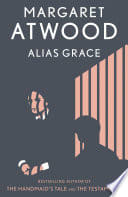
Alias Grace
Margaret Atwood
Based on a true story of a convicted murderer in 19th-century Canada, the novel explores gender, class, and historical justice. Atwood provides a complex psychological portrait of a woman navigating restrictive social systems. The narrative challenges historical narratives and offers multiple perspectives on a controversial historical event. It demonstrates how historical fiction can interrogate received historical accounts. A sophisticated exploration of historical complexity.
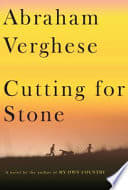
Cutting for Stone
Abraham Verghese
An epic novel spanning Ethiopia's political upheavals and the world of medical practice. The book follows twin brothers born to a mysterious circumstances, exploring themes of family, medicine, and political transformation. Verghese provides a rich, detailed exploration of personal and historical experiences. The narrative demonstrates the interconnection of individual lives with broader historical contexts. A deeply human exploration of historical change.
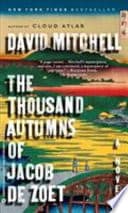
The Thousand Autumns of Jacob de Zoet
David Mitchell
Set in late 18th-century Japan during a period of limited foreign contact, the novel explores cultural interactions and personal transformations. Mitchell provides a meticulously researched portrayal of Japanese-European interactions at Nagasaki. The book offers insights into complex cultural negotiations and individual experiences of cross-cultural encounters. It demonstrates the potential for human understanding across significant cultural divides. A nuanced exploration of historical cultural dynamics.
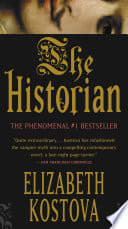
The Historian
Elizabeth Kostova
A historical mystery blending vampire mythology with scholarly research across multiple historical periods. The novel follows a scholar's quest to uncover the historical truth behind Dracula. Kostova provides a rich, meticulously researched narrative exploring historical and mythological intersections. The book demonstrates how historical research can uncover complex narratives. A sophisticated blend of historical investigation and narrative mystery.
No account connected — sign in to comment.