
Introduction by Kathryn Harrison Commentary by Nathaniel Hawthorne, W. D. Howells, and Carl Van Doren A stark tale of adultery, guilt, and social repression in Puritan New England, The Scarlet Letter is a foundational work of American literature. Nathaniel Hawthorne’s exploration of the dichotomy between the public and private self, internal passion and external convention, gives us the unforgettable Hester Prynne, who discovers strength in the face of ostracism and emerges as a heroine ahead of her time. As Kathryn Harrison points out in her Introduction, Hester is “the herald of the modern heroine.” Includes a Modern Library Reading Group Guide

4.5/5
Average Rating
Informations
Genre
Fiction
Published19 septembre 2000
Recommendations14
About the author
Nathaniel Hawthorne
Author
Nathaniel Hawthorne was an American novelist and short story writer. His works often focus on history, morality, and religion.
The Scarlet Letter
by Nathaniel Hawthorne
Fiction
Books Like The Scarlet Letter
If you're looking for books similar to The Scarlet Letter, here are some recommendations based on themes, tone, and narrative style.
Top 1
96%
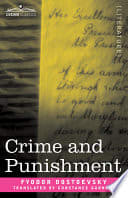
Crime and Punishment
Fyodor Dostoevsky
A profound psychological exploration of guilt, redemption, and moral complexity. Raskolnikov's internal struggle mirrors the psychological depth of The Scarlet Letter. The novel examines the psychological consequences of moral transgressions and societal judgment. Dostoevsky provides a complex investigation of individual conscience and social expectations.
Top 2

94%
Anna Karenina
Leo Tolstoy
A profound examination of love, marriage, and social judgment in 19th-century Russian society. Anna Karenina challenges social norms through her passionate and ultimately tragic love affair. Like Hester Prynne, she faces severe social ostracism for her choices. The novel explores the complex interplay between individual desire and societal expectations with remarkable psychological insight.
Top 3

92%
Jane Eyre
Charlotte Bronte
A powerful narrative of a woman's quest for independence and love in a restrictive society. Jane Eyre, like Hester Prynne, defies social expectations and seeks personal dignity. The novel explores themes of morality, social judgment, and individual integrity. It presents a complex heroine who challenges the conventions of her time through personal strength and moral conviction.
92%
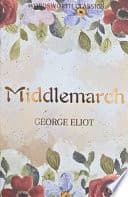
Middlemarch
George Eliot
A comprehensive study of social dynamics and individual moral development in a provincial English town. The novel explores complex characters struggling against societal expectations, similar to themes in The Scarlet Letter. Eliot provides a profound examination of personal integrity and social constraints. The narrative reveals the intricate connections between individual choices and broader social systems.
90%
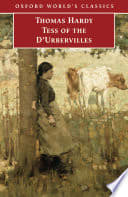
Tess of the d'Urbervilles
Thomas Hardy
A powerful narrative about a woman's struggle against social injustice and moral condemnation. Tess faces severe social judgment for circumstances beyond her control, similar to Hester Prynne's experience. Hardy explores themes of individual suffering under rigid social systems. The novel critiques moral hypocrisy and the unequal treatment of women in Victorian society.
90%
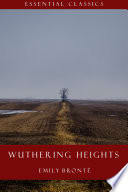
Wuthering Heights
Emily Bronte
A passionate narrative exploring love, social constraints, and psychological complexity. The novel challenges social expectations through its intense and unconventional characters. Like The Scarlet Letter, it examines the conflict between individual passion and social norms. Bronte creates a powerful exploration of personal desire and societal restrictions.
88%
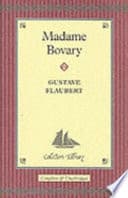
Madame Bovary
Gustave Flaubert
A groundbreaking novel about a woman's struggle against societal constraints and personal dissatisfaction. Emma Bovary seeks passion and meaning beyond her restrictive marriage, similar to the themes in The Scarlet Letter. The novel critically examines social hypocrisy and the consequences of individual desires conflicting with societal expectations. Flaubert's psychological depth mirrors Hawthorne's exploration of internal conflict.

88%
The Portrait of a Lady
Henry James
A complex exploration of a woman's search for personal freedom within restrictive social boundaries. Isabel Archer navigates social expectations and personal desires, reminiscent of Hester Prynne's journey. The novel delves deep into psychological complexity and the tension between individual will and societal constraints. James provides a nuanced examination of personal choice and social judgment.
88%
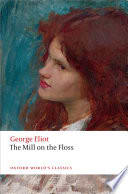
The Mill on the Floss
George Eliot
A nuanced exploration of a woman's struggle against social limitations and personal desires. Maggie Tulliver faces severe social judgment for challenging established norms, similar to Hester Prynne. The novel examines the tension between individual potential and societal constraints. Eliot provides a profound critique of gender expectations and social hypocrisy.
88%
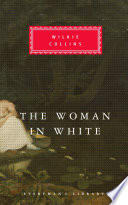
The Woman in White
Wilkie Collins
A complex narrative exploring social injustice, personal identity, and moral complexity. The novel reveals the psychological and social constraints faced by women in Victorian society. Similar to The Scarlet Letter, it examines themes of individual struggle against systemic oppression. Collins provides a compelling exploration of personal integrity and social judgment.

86%
The Age of Innocence
Edith Wharton
A profound exploration of societal constraints and forbidden love in 19th-century New York. The novel follows Newland Archer, who struggles between social expectations and personal desire. Like The Scarlet Letter, it examines the tension between individual passion and social conventions. Wharton masterfully depicts the psychological complexity of characters trapped by rigid social norms.
86%
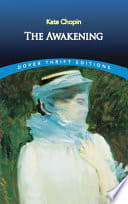
The Awakening
Kate Chopin
A groundbreaking novel about a woman's psychological and sexual awakening in restrictive 19th-century society. The protagonist challenges social norms and seeks personal fulfillment, echoing Hester Prynne's defiance. Chopin explores themes of individual freedom, societal constraints, and women's limited opportunities. The novel critiques the moral and social expectations imposed on women.
86%
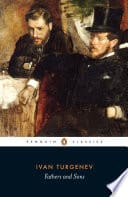
Fathers and Sons
Ivan Turgenev
A philosophical novel exploring generational conflict and social change in 19th-century Russia. The work examines the tension between traditional values and emerging philosophical ideas. Like The Scarlet Letter, it provides a deep psychological exploration of individual and societal conflicts. Turgenev offers a nuanced view of social transformation and personal integrity.
84%
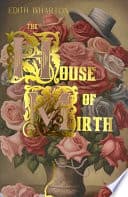
The House of Mirth
Edith Wharton
A devastating critique of social expectations and women's limited opportunities in late 19th-century New York. Lily Bart struggles against societal pressures and moral judgments, echoing Hester Prynne's experience. The novel explores themes of personal dignity, social constraints, and the consequences of challenging established norms. Wharton's sharp social commentary mirrors Hawthorne's critical examination of societal hypocrisy.
No account connected — sign in to comment.