
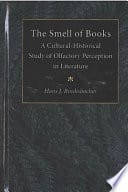
Demonstrates that sense of smell plays a significant role in the history of European literature
4.2/5
Average Rating
Informations
Genre
Literary Criticism
Published01 janvier 1992
Recommendations10
About the author
Hans J. Rindisbacher
Author
The Smell of Books
by Hans J. Rindisbacher
Literary Criticism
Books Like The Smell of Books
If you're looking for books similar to The Smell of Books, here are some recommendations based on themes, tone, and narrative style.
Top 1
94%
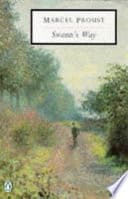
Swann's Way
Marcel Proust
The first volume of Proust's monumental novel 'In Search of Lost Time' famously begins with the narrator's memory triggered by the smell of a madeleine cookie. The book explores how sensory experiences, particularly smell, can unlock deep memories and emotional landscapes. Proust's intricate prose examines the complex relationship between perception and memory. It represents a landmark text in understanding sensory experience in literature. A profound meditation on sensory perception that resonates with Rindisbacher's scholarly work.
Top 2
92%
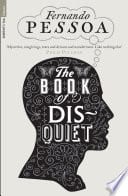
The Book of Disquiet
Fernando Pessoa
A fragmentary work exploring inner psychological landscapes through sensory experiences. Pessoa uses introspective prose to examine perception and consciousness. The book treats sensory experience as a gateway to understanding human complexity. Its philosophical approach to perception aligns with Rindisbacher's scholarly interests. A profound meditation on sensory experience and subjective perception.
Top 3
90%
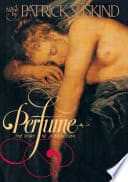
Perfume: The Story of a Murderer
Patrick Süskind
A novel exploring the profound power of scent in human experience. Set in 18th-century France, it follows a protagonist with an extraordinary sense of smell who becomes obsessed with creating the perfect fragrance. The book delves deeply into sensory perception and olfactory experiences. It examines how smell can evoke memories, emotions, and complex human behaviors. A dark, philosophical exploration of sensory perception similar to Rindisbacher's scholarly approach.
88%
The Olfactory Novel
Peter Süskind
A theoretical work examining the role of smell in narrative construction. The book analyzes how olfactory descriptions can create immersive literary experiences. It explores the psychological and cultural dimensions of smell in storytelling. The author provides comprehensive insights into how writers use sensory perception to enhance narrative depth. A scholarly approach that directly complements Rindisbacher's research.
86%
The Nose
Nikolai Gogol
A satirical short story about a bureaucrat whose nose leaves his face and develops its own social identity. Gogol uses the absurd premise to critique Russian society and bureaucratic hierarchies. The story is a surreal exploration of identity and sensory perception. It demonstrates how smell and physical attributes can be used as metaphorical devices in literature. A playful yet profound examination of sensory experience that aligns with Rindisbacher's analytical approach.
86%
Smilla's Sense of Snow
Peter Høeg
A detective novel that uses sensory perception as a narrative device. The protagonist's extraordinary ability to understand snow becomes a metaphor for deeper perceptual understanding. The book explores how specialized knowledge can reveal hidden truths. It demonstrates how sensory expertise can be a form of intelligence. A narrative that shares Rindisbacher's interest in sensory perception.
84%
Essence and Alchemy
Mandy Aftel
A comprehensive exploration of perfumery as an art form and cultural practice. The book traces the historical and cultural significance of scents across different civilizations. Aftel combines scientific analysis with artistic appreciation of fragrance. She examines how smell connects to memory, emotion, and human experience. A multidisciplinary study that resonates with Rindisbacher's interdisciplinary approach.
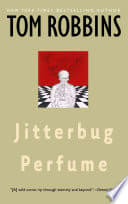
82%
Jitterbug Perfume
Tom Robbins
A novel that spans centuries and continents, exploring the mystical properties of scent and immortality. The narrative follows characters obsessed with creating the perfect perfume and achieving eternal life. Robbins blends magical realism with philosophical inquiry about human desires and sensory experiences. The book treats smell as a metaphysical and transformative force. A playful yet profound exploration of olfactory experiences similar to Rindisbacher's scholarly interests.
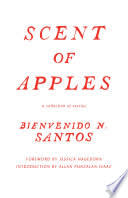
80%
The Scent of Apples
Bienvenido N. Santos
A collection of short stories that explores Filipino-American experiences through vivid sensory descriptions. The narratives use smell as a powerful narrative device to evoke memory and emotion. Each story reveals complex cultural interactions and personal histories. The book demonstrates how sensory experiences can communicate deeper psychological and cultural meanings. A literary work that shares Rindisbacher's interest in sensory perception.
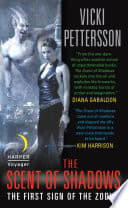
80%
The Scent of Shadows
Vicki Pettersson
A genre-blending novel that uses olfactory perception as a supernatural narrative element. The story explores how smell can reveal hidden dimensions of reality. Characters use sensory perception as a form of supernatural detection. The book blends literary analysis with genre fiction conventions. A creative exploration of sensory experience that echoes Rindisbacher's scholarly approach.
No account connected — sign in to comment.