
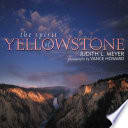
Yellowstone National Park's famous geysers, exotic landscape, and beautiful wildlife partially explain its enormous popularity, but there is something more to the Yellowstone experience—a powerful spirit to the place that is more than the sum of its parts. This fascinating history of America's favorite national park shows how that spirit has endured over Yellowstone's 127-year existence. Meyer shows that Yellowstone has consistently evoked awe in different generations of Americans, even as our attitudes toward nature have changed over the years. That awe is also captured in photographer Vance Howard's evocative images, which, alongside historic photographs and other early artistic interpretations of the Park's wonders, support Meyer's view that Yellowstone's unique sense of place makes it worth preserving not only for its ecological value but for its lasting importance in American culture.
Average Rating
Informations
About the author
Judith L. Meyer
Author
The Spirit of Yellowstone
by Judith L. Meyer
Books Like The Spirit of Yellowstone
If you're looking for books similar to The Spirit of Yellowstone, here are some recommendations based on themes, tone, and narrative style.
Yellowstone: A Journey Through America's Wild Heart
David Quammen
An intimate exploration of Yellowstone's complex ecosystem and natural history. Quammen delves deep into the park's geological and biological significance, offering readers a comprehensive understanding of this unique landscape. The book combines scientific insight with poetic narrative, revealing the intricate connections between wildlife, geology, and human interaction. It provides a profound look at the park's ecological importance and conservation challenges.
Pilgrim at Tinker Creek
Annie Dillard
A Pulitzer Prize-winning exploration of natural observation and spiritual experience. Dillard's writing, like Meyer's, reveals the profound complexity of natural landscapes. The book offers deep philosophical reflections on wilderness and human perception. It combines scientific observation with poetic narrative, exploring the deeper meanings of environmental experience.
National Parks: America's Best Idea
Dayton Duncan
A comprehensive historical account of America's national park system, with special focus on Yellowstone as the first national park. The book traces the origins and development of national parks as a uniquely American concept. It explores the visionary efforts of early conservationists and the cultural significance of preserving natural landscapes. Duncan's narrative captures the spirit of preservation and national pride embodied by these protected spaces.
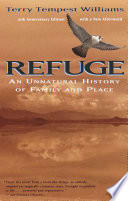
Refuge: An Unnatural History of Family and Place
Terry Tempest Williams
A powerful narrative that intertwines personal memoir with environmental observation. Williams explores the relationship between human experience and natural landscapes, echoing Meyer's approach to understanding Yellowstone. The book reveals how natural spaces shape human identity and emotional experience. It provides a nuanced exploration of conservation and personal connection to wilderness.
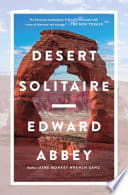
Desert Solitaire
Edward Abbey
A seminal work exploring the beauty and complexity of wilderness through personal experience. Abbey's reflections on nature mirror Meyer's approach to understanding Yellowstone's unique spirit. The book challenges readers to consider the profound impact of natural landscapes on human consciousness. It combines philosophical reflection with vivid descriptions of the American wilderness.
The Outermost House
Henry Beston
A classic meditation on nature and human connection to wilderness environments. Beston's observations capture the spiritual essence of landscape, similar to Meyer's exploration of Yellowstone. The book provides profound insights into the relationship between humans and natural spaces. It offers a contemplative approach to understanding environmental interconnectedness.
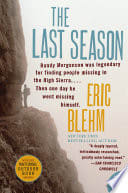
The Last Season
Eric Blehm
A gripping true story about a dedicated national park ranger and the challenges of wilderness conservation. The book provides insight into the human connection to protected natural spaces, similar to Meyer's exploration of Yellowstone's spirit. It reveals the dedication and passion of those who protect and study America's wild places. The narrative combines personal story with broader themes of environmental stewardship.
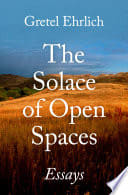
The Solace of Open Spaces
Gretel Ehrlich
A lyrical exploration of Wyoming's landscape and human connection to wilderness. Ehrlich's writing captures the spiritual essence of natural spaces, similar to Meyer's approach to Yellowstone. The book provides intimate insights into the transformative power of landscape and human resilience. It offers a deeply personal perspective on living in harmony with natural environments.
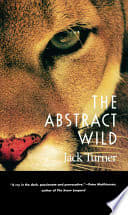
The Abstract Wild
Jack Turner
A philosophical examination of wilderness and human interaction with natural spaces. Turner challenges conventional approaches to environmental understanding, similar to Meyer's nuanced exploration of Yellowstone. The book provides critical insights into conservation and human relationship with wilderness. It offers a provocative perspective on environmental philosophy and preservation.
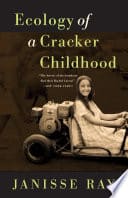
Ecology of a Cracker Childhood
Janisse Ray
A powerful memoir that explores the relationship between human experience and natural landscapes. Ray's writing, like Meyer's, examines how environment shapes human understanding and cultural identity. The book interweaves personal narrative with ecological observation, revealing the deep connections between people and their natural surroundings. It offers a nuanced perspective on conservation and environmental awareness.
No account connected — sign in to comment.