
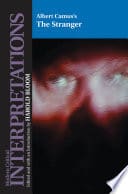
The condition of man is revealed as absurd in Camus's short novel.
4.5/5
Average Rating
Informations
Genre
Criticism
Published01 janvier 2009
Recommendations14
About the author
Harold Bloom
Author
Harold Bloom was an American literary critic and the Sterling Professor of humanities at Yale University. In 2017, Bloom was called "probably the most famous literary critic in the English-speaking world". After publishing his first book in 1959, Bloom wrote more than 50 books, including over 40 books of literary criticism, several books discussing religion, and one novel. He edited hundreds of anthologies concerning numerous literary and philosophical figures for the Chelsea House publishing firm. Bloom's books have been translated into more than 40 languages. He was elected to the American Philosophical Society in 1995.
The Stranger - Albert Camus
by Harold Bloom
Criticism
Books Like The Stranger - Albert Camus
If you're looking for books similar to The Stranger - Albert Camus, here are some recommendations based on themes, tone, and narrative style.
Top 1
96%
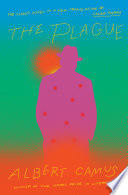
The Plague
Albert Camus
A philosophical novel exploring human solidarity during a devastating epidemic. Camus examines individual and collective responses to suffering and absurdity. Characters confront existential challenges while maintaining human dignity. The narrative reveals the potential for meaningful action in an indifferent universe. The work extends Camus's philosophical exploration of human resilience.
Top 2
94%
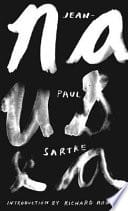
Nausea
Jean-Paul Sartre
A seminal existentialist novel exploring human alienation and meaninglessness. The protagonist experiences profound disorientation and detachment from society. Like Camus's work, it delves into the absurdity of human existence. Sartre examines the individual's struggle with personal freedom and the inherent randomness of life. The narrative challenges traditional narrative structures and philosophical assumptions.
Top 3
94%
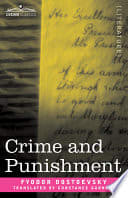
Crime and Punishment
Fyodor Dostoevsky
A psychological novel exploring moral complexity and individual guilt. The protagonist commits murder and struggles with psychological and philosophical consequences. Dostoevsky examines human morality, redemption, and psychological fragmentation. The narrative challenges traditional moral frameworks and explores individual consciousness. The work reveals the complex relationship between action and consequence.

94%
The Myth of Sisyphus
Albert Camus
A philosophical essay exploring the concept of absurdity in human existence. Camus examines the human condition through the mythological figure of Sisyphus. The work provides a philosophical framework for understanding meaninglessness and individual resilience. Camus argues for embracing life's inherent absurdity. The essay complements the philosophical themes in The Stranger.
92%
Metamorphosis
Franz Kafka
A surreal novella about alienation and human identity. The protagonist inexplicably transforms into an insect, symbolizing societal disconnection. Kafka explores themes of isolation, bureaucracy, and individual powerlessness. The narrative's absurdist tone resonates with Camus's philosophical perspective. It deconstructs social expectations and personal agency.

92%
The Trial
Franz Kafka
A surreal novel about bureaucratic absurdity and individual powerlessness. The protagonist is arrested and prosecuted by a remote, inaccessible authority without understanding his crime. Kafka explores themes of alienation, legal incomprehensibility, and systemic oppression. The narrative challenges rational understanding of justice and individual agency. The work reveals the inherent irrationality of institutional systems.
92%
The Fall
Albert Camus
A philosophical monologue exploring moral hypocrisy and individual judgment. The narrator reveals his complex psychological landscape through a series of confessional reflections. Camus examines themes of guilt, self-deception, and moral ambiguity. The work challenges traditional notions of personal integrity. The narrative provides a profound exploration of human psychological complexity.
92%
The Rebel
Albert Camus
A philosophical exploration of historical rebellion and individual resistance. Camus examines political and philosophical movements through the lens of human rebellion. The work provides a comprehensive analysis of revolutionary thought. Camus challenges traditional ideological frameworks and explores individual agency. The text extends the philosophical themes in his earlier works.
90%
No Exit
Jean-Paul Sartre
A philosophical play that explores existential themes of human relationships and psychological confinement. Characters are trapped in a room, revealing the complex nature of interpersonal dynamics. The work examines the concept of hell as other people's perceptions. Sartre's exploration of individual consciousness mirrors Camus's philosophical approach. The play challenges traditional notions of morality and human interaction.
90%
Waiting for Godot
Samuel Beckett
An absurdist play that explores existential themes of meaninglessness and human waiting. Two characters await a mysterious figure who never arrives, symbolizing life's fundamental uncertainty. Beckett deconstructs traditional narrative structures and philosophical expectations. The work examines human endurance in the face of apparent meaninglessness. Characters struggle with existential questions of purpose and existence.
90%
Being and Nothingness
Jean-Paul Sartre
A comprehensive philosophical treatise on existentialist thought. Sartre explores human consciousness, freedom, and ontological complexity. The work provides a systematic examination of existential principles. It challenges traditional philosophical assumptions about human nature. The text offers profound insights into individual agency and consciousness.
88%
Notes from Underground
Fyodor Dostoevsky
A groundbreaking exploration of human irrationality and psychological complexity. The unnamed narrator provides a profound critique of rational self-interest and societal norms. The work delves into existential themes of individual consciousness and alienation. Dostoevsky challenges philosophical rationalism through a deeply introspective narrative. The text reveals the contradictory nature of human experience.
88%
Existential Literature
William Barrett
A comprehensive exploration of existentialist philosophical and literary movements. Barrett analyzes key existentialist thinkers and their literary contributions. The book provides context for understanding existential themes in literature. It explores the philosophical foundations of works by Camus, Sartre, and Kafka. The text offers deep insights into existential thought.
86%
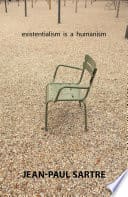
Existentialism Is a Humanism
Jean-Paul Sartre
A philosophical essay explaining key existentialist principles. Sartre argues that humans are fundamentally free and responsible for creating their own meaning. The work explores individual agency and the rejection of predetermined essence. Like Camus, Sartre emphasizes personal responsibility in an inherently meaningless universe. The text provides philosophical context for existential literature.
No account connected — sign in to comment.