
4.5/5
Average Rating
Informations
Genre
Fiction
Published02 février 2016
Recommendations10
About the author
Han Kang
Author
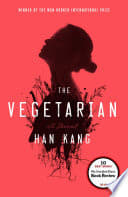
Han Kang is a South Korean writer. From 2007 to 2018, she taught creative writing at the Seoul Institute of the Arts. Han rose to international prominence for her novel The Vegetarian, which became the first Korean language novel to win the International Booker Prize for fiction in 2016. Han is the first Asian woman and Korean to be a recipient of the Nobel Prize in Literature, receiving the award in 2024 in recognition of her "intense poetic prose that confronts historical traumas and exposes the fragility of human life".
The Vegetarian
by Han Kang
Fiction
Books Like The Vegetarian
If you're looking for books similar to The Vegetarian, here are some recommendations based on themes, tone, and narrative style.
Top 1
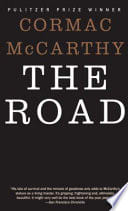
94%
The Road
Cormac McCarthy
A stark exploration of human survival and psychological resilience. Like 'The Vegetarian', it examines extreme psychological states and personal transformation. The narrative reveals how individuals maintain humanity under brutal conditions.
Top 2
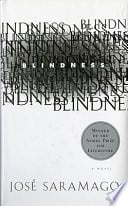
92%
Blindness
José Saramago
A dystopian exploration of human nature under extreme psychological stress. Like 'The Vegetarian', it examines societal breakdown and individual transformation. The narrative reveals how personal and collective responses to crisis expose deeper psychological truths.
Top 3
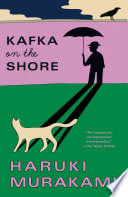
90%
Kafka on the Shore
Haruki Murakami
A surreal exploration of psychological boundaries and personal transformation. Like 'The Vegetarian', the novel blends psychological realism with bizarre, dreamlike elements. Characters navigate complex inner landscapes of trauma and liberation.
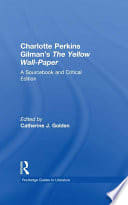
88%
The Yellow Wallpaper
Charlotte Perkins Gilman
A feminist classic about a woman's psychological descent under patriarchal oppression. Similar to 'The Vegetarian', it examines female autonomy and mental breakdown. The narrative critiques societal control over women's bodies and minds.
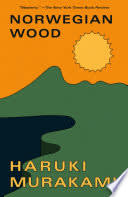
86%
Norwegian Wood
Haruki Murakami
A haunting exploration of mental health, isolation, and personal struggle. Similar to 'The Vegetarian', the novel examines psychological fragility and the impact of trauma. The narrative focuses on characters wrestling with inner demons and societal pressures.
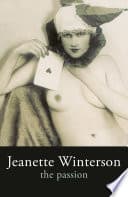
86%
The Passion
Jeanette Winterson
A poetic narrative about personal obsession and psychological boundaries. Similar to 'The Vegetarian', it explores individual desire against societal constraints. The novel blends magical realism with intense psychological exploration.
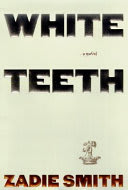
84%
White Teeth
Zadie Smith
A complex narrative exploring identity, cultural clash, and personal transformation. Like 'The Vegetarian', it delves into psychological tensions within families and societal expectations. The novel examines how individual choices can disrupt established social structures and personal relationships.
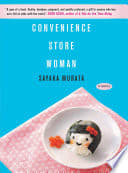
82%
Convenience Store Woman
Sayaka Murata
A dark, satirical novel about a woman who doesn't conform to societal norms. Like 'The Vegetarian', it explores personal rebellion against social expectations. The protagonist's unconventional choices challenge traditional roles and provoke discomfort.
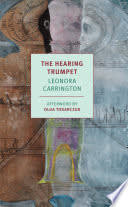
80%
The Hearing Trumpet
Leonora Carrington
A surreal narrative challenging societal expectations and personal agency. Similar to 'The Vegetarian', it explores psychological rebellion and transformation. The novel subverts traditional narratives about aging, gender, and personal freedom.
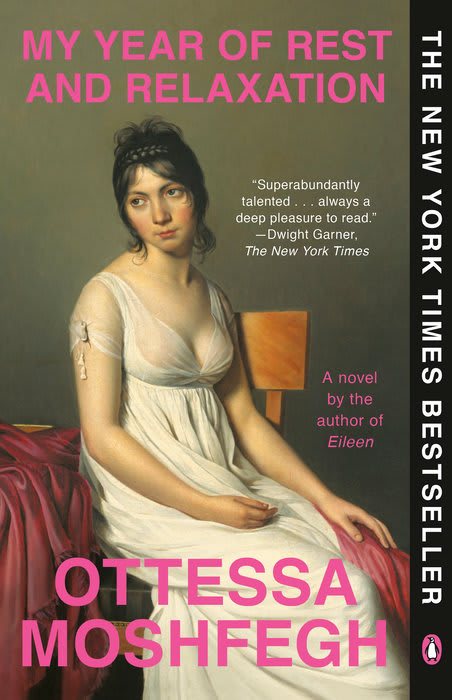
80%
My Year of Rest and Relaxation
Ottessa Moshfegh
A young woman in New York decides to hibernate for a year with the help of sleeping pills, convinced she can restart her life by shutting it down. Through her sharp, unsettling voice, the novel critiques consumerism, loneliness, and modern emptiness. It’s a darkly comic exploration of alienation and the fragile boundary between healing and self-destruction.
No account connected — sign in to comment.